
Introduction

What is your place in the universe? We inhabit the Earth, which is the third planet from the sun, and it is the only planet in our solar system that supports life!
Earth is a part of a larger solar system, which consists of the sun, seven other planets, asteroids, and comets. Our solar system is absolutely giant in size, extending 10,000 Astronomical Units away from the sun (This equals 1 billion 500 million thousand kilometers!!!) While the sun makes up about 99.85 % of the solar system by mass, every little part plays an important role, including you!
Task

The world is about to experience a mass extinction event, and the people of Earth need your help. In humans are to survive, they are going to have to go on a voyage to explore a new planet to inhabit. During this quest you will work with your peers to explore a celestial object within our solar system, in order to determine whether or not it would be a good place for humans to live. You may choose the topic of your choice from the list below. Using the Internet links provided, you do research to help communicate your findings to the world. The schedule for this project is as follows:
Day 1: Internet research on the Chrome books
Day 2: Write a summary of your findings
Day 3: Create a visual presentation
Process
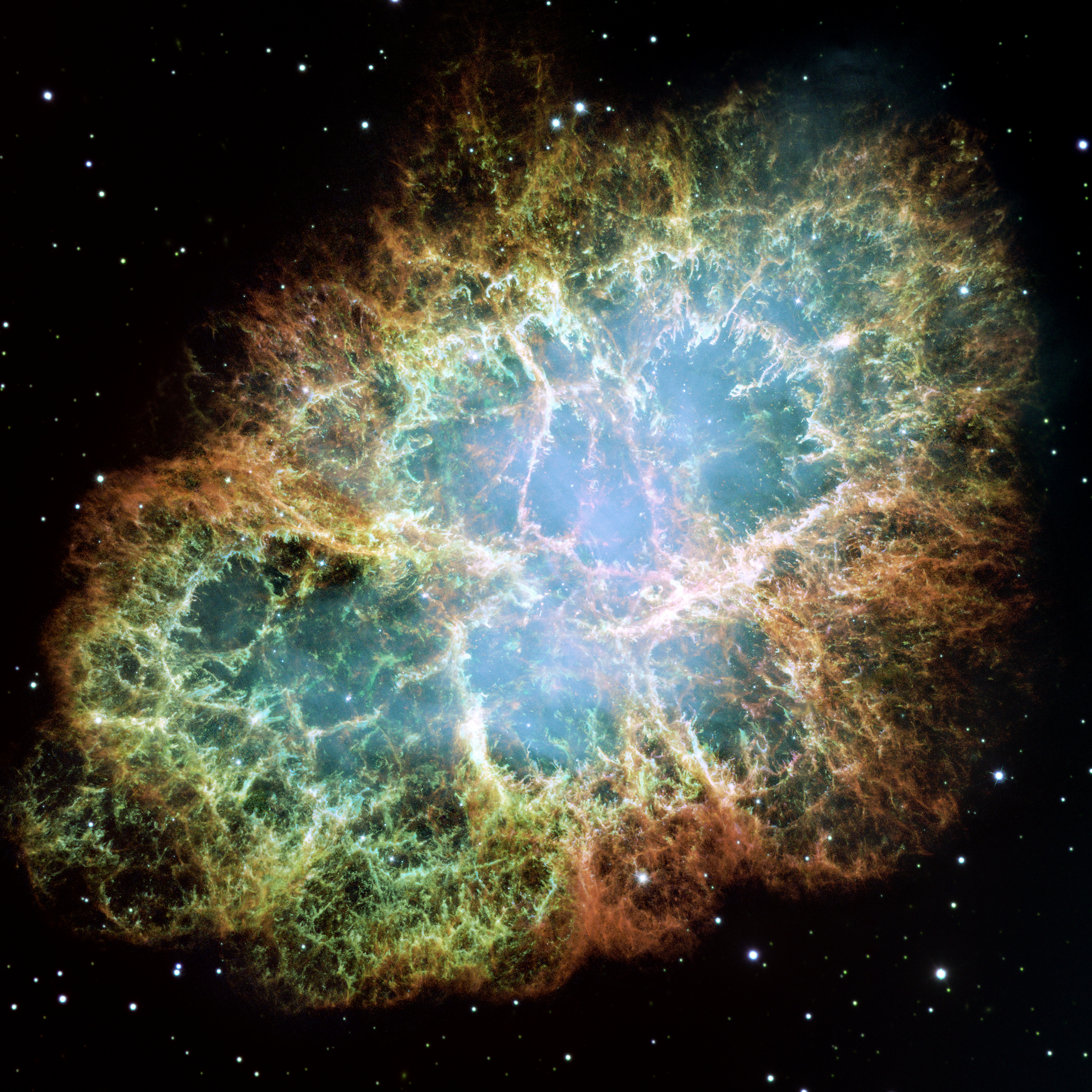
Instructions:
1) Choose a planet to research
2) Click on the link below your planet, and explore the NASA web page
3) Answer the following questions on a your student handout:
- What is your celestial object of study?
- What are three important characteristics of your celestial object of study? (ex. Size, distance from the sun, # of moons, temperature, etc.)
- How is your object of study similar to planet earth? How is it different?
- What would it be like to live there (surface temperature, weather, water, food?)
- Based on your findings, do you think this planet would be suitable to live on? Why, or why not? If so, what would humans have to do in order to adapt to their new environment?
4) Write a 5-7 sentence summary of your research findings
5) Create a non-linguistic representation (drawing) of your planet of study. Draw what you would see if you traveled to your planet.
6) Next, create a google-slide presentation that is a minimum of five slides in order to convince the public that they should or should not move to your planet. It must include pictures.
Project Topics
1) Mercury
https://solarsystem.nasa.gov/planets/mercury/overview/
2) Venus
https://solarsystem.nasa.gov/planets/venus/overview/
3) Mars
https://solarsystem.nasa.gov/planets/mars/overview/
4) Jupiter
https://solarsystem.nasa.gov/planets/jupiter/overview/
5) Saturn
https://solarsystem.nasa.gov/planets/saturn/overview/
6) Uranus
https://solarsystem.nasa.gov/planets/uranus/overview/
7) Neptune
https://solarsystem.nasa.gov/planets/neptune/overview/
8) Sun
https://solarsystem.nasa.gov/solar-system/sun/overview/
9) Earth's Moon
https://solarsystem.nasa.gov/moons/earths-moon/overview/
10) Small Bodies
https://solarsystem.nasa.gov/small-bodies/overview/
Evaluation
| Evaluation Rubric | |||||||||||||||||||||||||||||||||||
|
|||||||||||||||||||||||||||||||||||