Introduction


Hello! now you are part of the Universidad Tecnológica de EL SALVADOR. This website has been designed with the objective to practice the different grammatical elements that make up the Simple Present Tense.
The present tense represents the time in which de habitual action is performed. Communicatively speaking, the term present tense is usually applied to describe a specific syntactic form or group of forms; it can have a complete variety of uses not necessarily referred to those actions done in present time. For instance, in the sentence: “My brother comes tomorrow from México”, the sentence is written in present tense even though it refers to an action that will occur in the future.
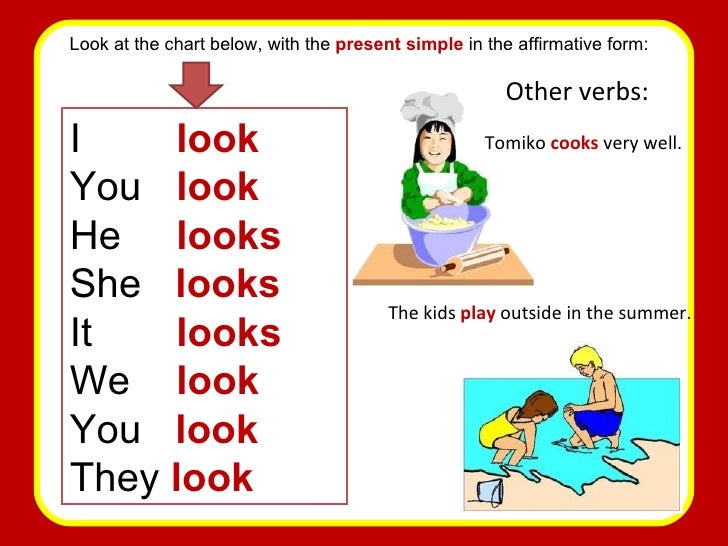
This is the equivalent to the present indicative in Spanish and the verbs maintain the infinitive form, (without the particle to) with the exception of the third person singular that, depending on the verb takes either “es” or “s” in the end.
The application of the present tense not all of the time implies present time. Sometimes, as said before, this tense is used for future events: (The team leaves next week, Keta Malone visits me next year when she comes from Ecuador, Mr. Cesar Nosso lectures today afternoon).
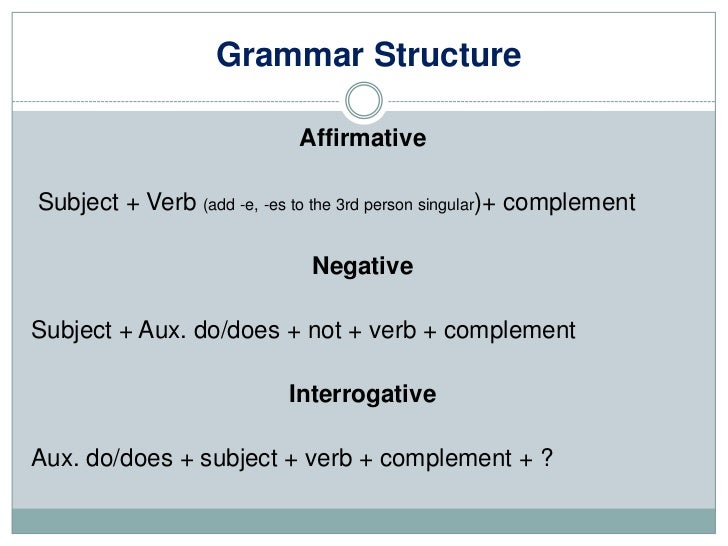
If we are requested to create a formula for this tense, it would be like this:
Examples:
Positive Statement: Pili goes to teach to the university every day.
Lulú likes to study different academic disciplines.
Marce lives in Ecuador in South America.
Do you want to get more familiarized with this topic? Check this video up on YouTube for further information.
https://www.youtube.com/watch?v=K3GMiFc-gLs
To continue with your learning, you will find the task in the upper section of this web quest page. I invite you to check it up.
Click on task to start with the first activity
Task
- Visit the following website and solve the quiz in there. When you finish, print it out, scan it and email it to the teacher email: Fpmme2017.2.7@gmail.com
https://www.ego4u.com/en/cram-up/tests/simple-present-1
- Complete de following sentences correctly and hand them in on Monday next week at the beginning of the class.

3. Print this article on banks and underline the verbs in present tense used by the author. Print t out and with your name on it, give it to your teacher on July 30,2017.
Banks
|
Banks are places where people can keep their money. Most people use banks to save money in their savings accounts and to pay money from their checking accounts. Today, when a person earns money from their job, their paycheck is often electronically deposited (put) into their savings or checking account. Then, he or she can pay their bills by writing checks from their checking accounts or pay online where their bills are electronically connected to their bank accounts. Banks also give loans to people. Banks use the money that their customers deposit to lend to people to buy new houses, cars or to start businesses among other reasons. The bank makes money from lending by charging interest. In other words, people have to pay back more than they borrowed. This amount depends on how risky the bank thinks the borrower is and how fast the loan is paid back among other things. |
|
|
Note: if you consider necessary an explanation in your native language, click on the link below for further information: |

Process


How can we express what the Simple Present Tense is?
Simple present tense is a verb conjugation that refers to habitual activities and for referring to future actions as well.
What is the way to deal with the simple present tense?
This Web Quest has as one of its objectives to explain with examples and practice how to master such conjugation. It is an easy process that we warrantee you will internalize easily.
To begin with, let’s get in touch with the structure of this grammatical arrangement in English.
Simple or General Structure
a. Positive Sentence
Subject + Verb + complement
Samples:
- Pili lives in México, in North America.
- Samantha loves eating tacos.
- Sor Juana Inés de La Cruz still remains in literatura.
b. Negative Sentence
Subject + Do/Does + Verb + Complement
Samples:
- Charles does not like this movie.
- Pancho Rihadow does not accept the proposal.
- You do not understand the exercise about nuclear power.
c. Questions or Interrogative Sentences.
Do/Does + subject + Complement
Samples:
- Do you think that we can make it?
- Does she express her opinion?
- Do they work in this company?
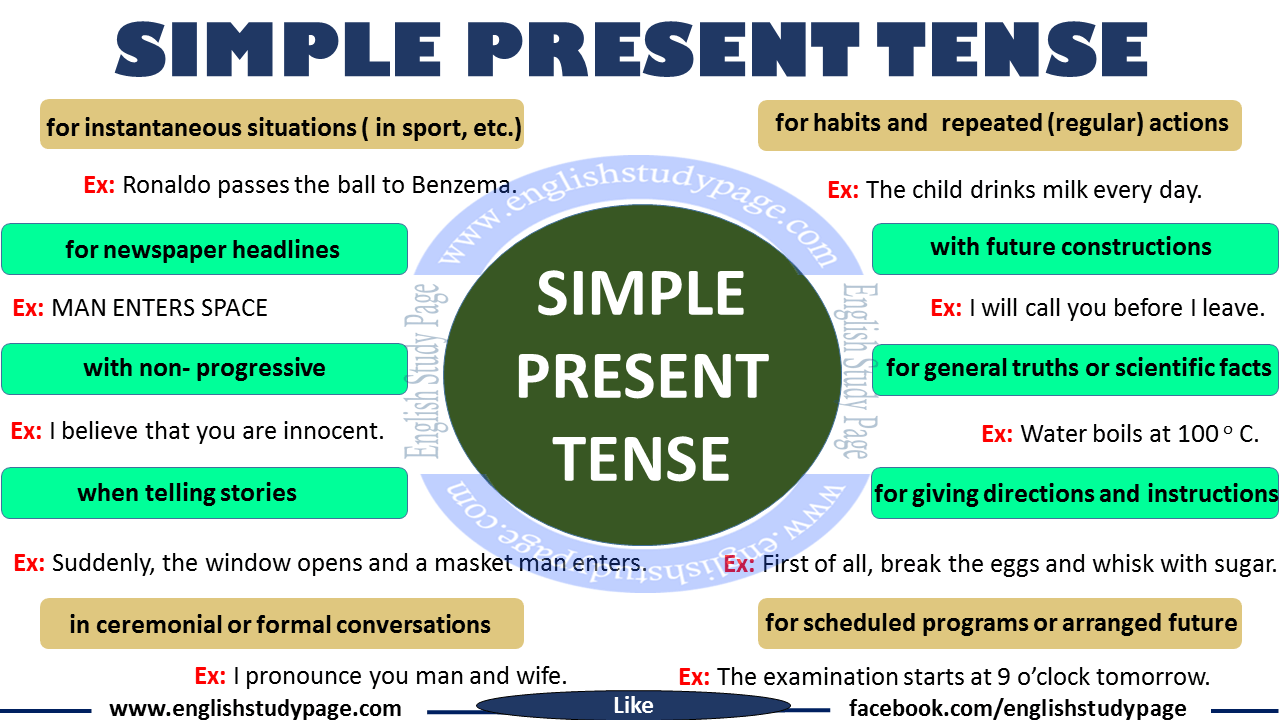
What is Simple Present Tense used for?
1: Habitual actions.
These are the actions we usually do either daily, weekly or even yearly.
- She works in the evening.
- Do You study every day?
- We review the material every three days, at least.
2 It is also used to refer to events that will occur in the future
- Karla comes from Argentina next week.
- Mr. Thomas Tahuado visits America; he is from Japan, but he was born in Canada.
- Sonja lectures next Saturday about World War II.
- Analyze all of the examples presented in this Web Quest and try understand what they are about.
- Understand them and go ahead with the different activities presented on this page.
Evaluation
|
|
|

- Log in the following site and read the information carefully about Simple Present Tense.
http://www.grammar.cl/Present/Simple.htm
2. Explain what the Simple present is.
3. Discuss with a partner about the same point, then write your conclusions.
4. See the picture and in your notebook, write five positive sentences, five questions, and five negative answers. Give your teacher the sentences for him to assign your grade.

- Log in the following site and develop the exercise on it. Present the score to your teacher during next class.
http://www.englisch-hilfen.de/en/exercises/tenses/simple_present_mix.htm


Conclusion
The use of Simple Present Tense not always has to do with present time. Currently, this implies the reference to future events. Actually, most of the people prefer to say “Hello, I see you tomorrow”, “Next week my brother comes to pick me up.”, and so on.
However, It is used, as it conveys the idea for referring to actions in present time, actions that are habitual or actions done almost every day. For example a university student would say: “I go to the university”., “I study all the time before a test.”, “My mom cooks the dinner during the week”; therefore, we say that those actions are expressed in Simple Present Tense.

Credits
Biliographic References:
Jones Royster, J. and Lester, M. (2000). Writer’s Choice and Composition 12th grade, Estados Unidos de América, Glencoe McGraw-Hill.
Support website:
cdn.meme.am (2017) Image Recovered from: https://cdn.meme.am/cache/instances/folder662/54235662.jpg
Create WebQuest Free (2017) Recovered from: https://createwebquest.com/
English Grammar Online (2017) Recovered from: https://www.ego4u.com/en/cram-up/tests/simple-present-1
Englisch-hilfen.de (2017). Recovered from: http://www.englisch-hilfen.de/en/exercises/tenses/simple_present_mix.htm
English study page. (2017). Recovered from: http://englishstudypage.com/wp-content/uploads/2017/03/simple-present-tense.png
Woodward -english (2003-2017). Recovered from: http://www.grammar.cl/Present/Simple.htm
Lopera, A. (2015/nov/26) Present Simple. Video archive. Recovered from: https://www.youtube.com/watch?v=aV5FfVDXxj8
Ramos, L. (2010/abril/13) Daily Routine ESL. Video archive. Recovered from: https://www.youtube.com/watch?v=K3GMiFc-gLs
Google image. (2017) Recovered from: https://www.google.com.sv/search?=simple+present+tense+graphs&source=lnms&tbm=isch&sa=X&ved=0ahUKEwiTquzPzaLVAhXBwiYKHeWWARAQ_AUIBigB&biw=1366&bih=638#imgrc=7i_CrT-_mI2KsM:
Image Recovered from: https://sites.google.com/site/simplepresenttensewq/_/rsrc/1384120880349/home/yherlv617763.gif?height=400&width=371

Image Recovered from: https://s-media-cache-ak0.pinimg.com/originals/42/0f/c2/420fc2d49e4c9173ca4cf0158dd99278.jpg

Teacher Page
El contenido de la presente página ha sido creado para el desarrollo de las cuatro competencias de aprendizaje para el idioma inglés (comprensión de textos, escucha, formación gramatical y habla; Dentro de las diferentes secciones que conforman la webquest los alumnos, de manera autodidacta, serán capaces medir el conocimiento aprendido y así corroborar que han sido efectivos los procesos de aprendizaje adquiridos. La estructura dada en esta página está relacionada con el nivel de información necesaria para el alumnado. Los temas presentados y las explicaciones provistas por parte del docente encargado de la materia han sido seleccionados específicamente para las exigencias educativas que se requieren en la formación de un nuevo idioma a nivel básico.
Por lo tanto, la utilidad de la plataforma aquí presentada no sólo permite medir el conocimiento, sino genera en el alumnado una responsabilidad y los enfrenta a conocerse a sí mismos, para de esta manera, entender que el estudio autodidacta es parte de su formación como estudiantes universitarios en el aprendizaje del idioma inglés.
Designed by
Marcela Cecilia Moncayo Moscoso
Ma. de Lourdes Murillo López
Manuel de Jesús Oviedo Alvarado
María del Pilar Velázquez Alonso