
Introduction
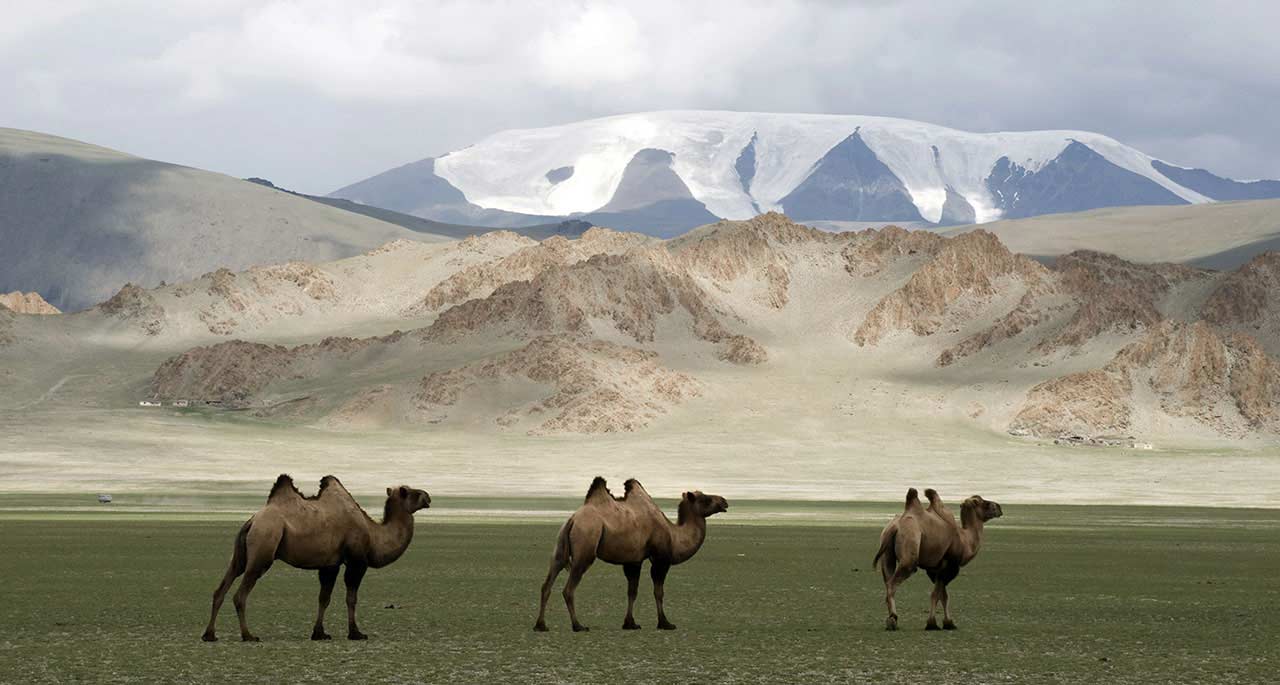
Mongolia is a landlocked country located between China and Russia. It is a vast emptiness that links land and sky, and is one of the last few places on the planet where nomadic life is still a living tradition. Mongolia may have various geopolitical, cultural and geographical meanings. Mongolia consists of historic Outer Mongolia. The province of Inner Mongolia is geographically and politically separate and located in northern part of China yet it shares common borders with Mongolia.
Task
The Secret History of the Mongols is one of the great recordings of Mongolian history. Every Mongolian reads the book in the modern Mongolian language. This is one of the the oldest books in the Mongolian language. There are vivid similarities with the Bible in literary style, wording and story telling. It is speculated that the author could have been a Christian or at least was very knowledgeable about the Bible. According to Hugh Kemp, Qadag (pp 85-90, Steppe by Step) is the most likely candidate for authorship of Secret History of the Mongols. He writes about the history of ancient Mongolia and connects the modern reality with the ancient world. Even though the book is about the history of Christianity in Mongolia, it paints a view of ancient Mongolia from the height of 21st century. The "History of Mongolia" by B. Baabar is a good source for the Modern History of Mongolia.
Process
Mongolia is home to the "three manly sports": wrestling, horse racing, and archery, and these are the same three sporting events that take place every year at the Naadam festival.
Naadam is the National Holiday of Mongolia celebrated on 11-13 Jul. During these days all of Mongolia watches or listens to the whole event which takes place in the capital city of Ulaanbaatar through Mongolia's National Television and Radio. Many other smaller Naadam festivals take place in different aimags (provinces) around the country throughout the month of July, and it is at these Naadam festivals that you are able to get a much closer look at the action.
It is believed that Naadam celebrations started with the rise of the Great Mongolian Empire as Chinggis (also known as Genghis) Khan's strategy to keep his warriors strictly fit. After the fall of the empire, the contests were held during religious festivals, and since the communist revolution it was celebrated on its anniversary.
The legend says that in old times a woman dressed like a man won a wrestling competition once. That is why open chest and long sleeve wrestling costumes, called "zodog", are meant to show that every participant is male. Wrestlers wear short trunks, "shuudag", and Mongolian boots, "gutal". The yellow stripes on the tails of wrestlers' hats will indicate the number of times the wrestler became a champion in Naadam.
Only Naadam gives official titles to the wrestlers. Mongolian wrestling tournaments have 9 or 10 rounds depending on the number of 512 or 1024 wrestlers registered for the competition that year. If the wrestler wins 5 rounds, he will be awarded the title "Nachin" (bird), 6 rounds - Hartsaga (hawk), 7 rounds - Zaan (elephant), 8 rounds - Garuda (Eagle), 9 rounds - Arslan (lion) and 10 - Avarga (Titan).
Evaluation
There are no weight categories in Mongolian Wrestling tournaments but there is a time limit of 30 min, if the wrestlers can not overthrow each other, referees use lots for better position which often settles the match. One who falls or his body touches the ground loses the match.
Mongolian Wrestling matches are attended by seconds whose role is to assist their wrestlers in all matters and to encourage them to win by spanking on their buttocks. They also sing praise songs and titles to the leading wrestlers of both wings, west and east, after 5 and 7 rounds. The referees monitor the rules but the people and the fans are the final judges. They will speak and spread the word of mouth about who is who till the next year.
- The Golden Eagle Festival in Ölgii on athe first weekend of October is the largest gathering in the world of eagle hunters. The event typically has 60 to 70 Kazakh eagle hunters displaying their skills. The events include having their golden eagles fly to them on command and catching a fox fur being pulled by a horse from a perch on a nearby mountain. The event also features traditional Kazakh games like Kokpar (tug-of-war over a goat carcass while on horseback), Tiyn Teru (a timed race to pick up a coin on the ground while on horseback), and Kyz Kuar ("girl chase," is a race between a man and woman where the woman whips the man while he tries to hold on). The festival also has a traditional Kazakh concert, camel race, and displays of Kazakh art. A smaller eagle festival is held on 22 Sep in the nearby village of Sagsai.
- Nauryz Festival also in Ölgii is the traditional new years celebration of Kazakhs held on 22 March. There is a parade, concert, and horse races during the several days of celebrating. Though most of the celebration involves visiting friends and relatives to eat Nauryz Koje (soup) and boiled mutton and horse meat.
- The camel festival is an annual celebration held in the southern Gobi organised by a local NGO to help protect the Bactrian camel and the essential role it plays in the lives of the nomadic herders in the region. Highlights include camel races, camel polo competitions and traditional performances of Mongolian music and dance. Those that want to will be able to travel to the festival by camel, dressed in your Mongolian best including a traditional deel.
Conclusion
Mongols traditionally live on the steppes, breeding horses, just like their ancestor Genghis Khan. Not surprisingly, following Western pleasantries will not have the intended effect in Mongolia. That being said, there are still a few rules to follow. Always receive items with the right hand, palm facing up. Drink from the right hand with the palm up as well. It is very rude to refuse a gift. If offered a plate of hospitality munchies, take at least a small nibble from something. You should never point anyone with your index finger since it implies disrespect.
https://www.youtube.com/watch?v=qGsds6rmZGE&ab_channel=camertonboys