
Introduction
Think about what you know about biotechnology from; your studies, tv shoes, movies, books, or even what you can imagine.
You might have considered things seen from the news or in science fiction. Hopefully you considered some things such as the food you eat, your pets at home, forensic sciences and even more examples.
Biotechnology is the process of using biological or living material in production or processes. This may include advanced examples such as genetically modified organisms (GMO's) or medicines as well as examples which have occurred for thousands of years such as fermentation and domestication of animals.
The following video should hopefully give you some context and insight into how long the practice of biotechnology has been occurring.
It is important to consider and appreciate the past and history of biotechnology. By doing so it gives context to the modern practices such as, considerations, directions, issues, uses, limitations, and the past, current and emerging technologies.

An example of Biotechnology: mice carrying genetic information for green fluorescent protein.
Task
Consider yourself an aspiring Biotechnologist.
Your journey into this new field of will start at the beginning exploring its origins and classical applications before exploring modern theory and practices. By the end you should have an understanding of the history related to biotechnology and an elementary understanding of the biochemicals such as DNA and RNA which are related closely with modern biotechnology.

Process
Week 1:
An introduction to biotechnology; gathering context and background knowledge is an important step in progressing forward. Being able to describe origins of biotechnology and identifying early examples of biotechnology. Recall the information from the introductory video, and examples such as: domestication of dogs and in aggriculture for Angus cattle and corn.

Week 2:
Recall from last week some ancient methods of biotechnology, other examples can be seen used by the first Australians.
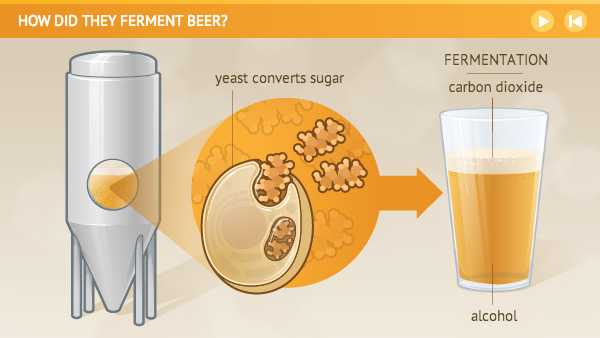
Throughout history our knowledge of particular process increased and started to make products of alcohol, cheese and breads through utalizing fermentation. A knowledge of fermentation will help give required information for an upcomming first hand investigation
Week 3:
Reflection on first hand investigations it is important to consider the work of scientists such as Louis Pasteur
who sparked modern biomechanics through identifying micro-organisms and coutering the concept of spontaneous generation. You should begin to consider now to look into specific researchers and contributors of biotechnologies. In particular those who have contributed to isolations of micro-organisms such a Alexander Fleming

Week4:
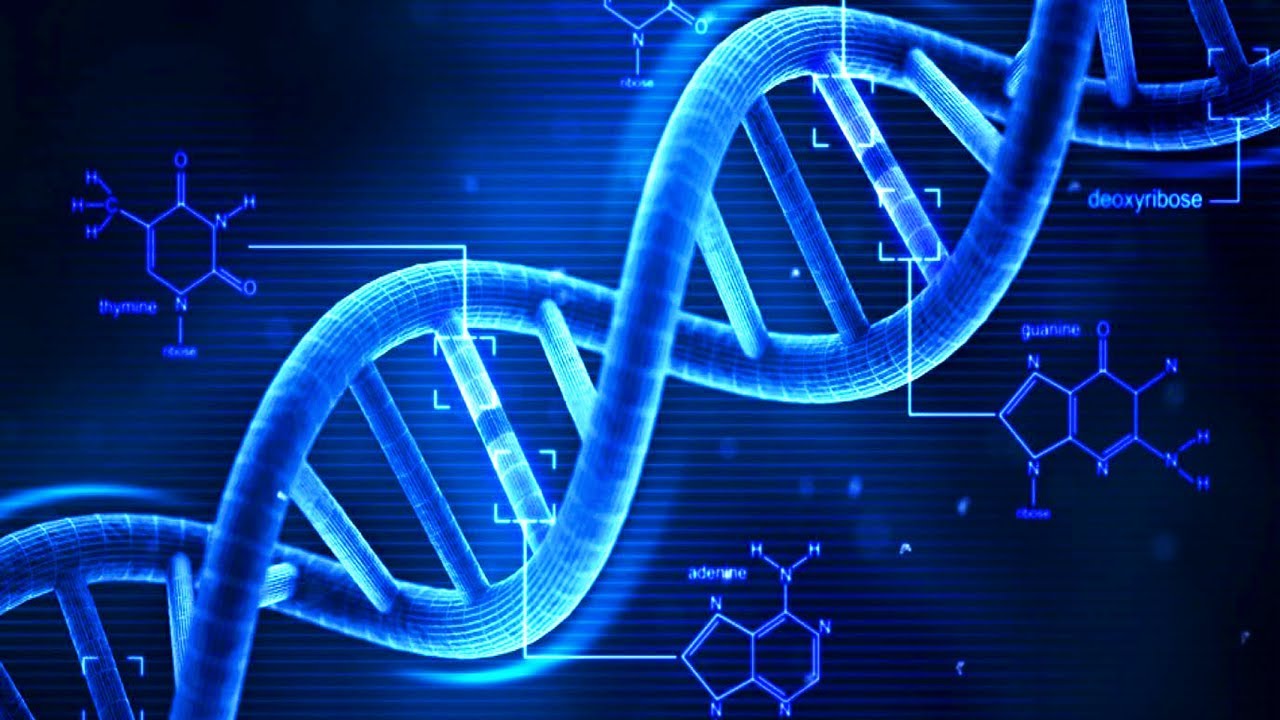
Before starting to look into modern biotechnology such as research methods using DNA it is important to ensure a sound knowledge of DNA and RNA
Consider the definitions of each, identify differences, name some examples of different RNA functions. From this information begin to identify the role DNA and RNA in polypeptide or protein synthesis and describe the difference between a polypeptide and protein.

Week 5:
you should now be close to completing your task of exploring the history and origins of biotechnology as well as devloping an elementary understanding into biotechnology. This would be an appropriate time to ensure you are confident with your understandings by reviewing your notes as well as looking alternate notes which may provide additional or alternate insight.
Evaluation
In order to determine your understanding of the explored content you should be able to respond to each dot point. From your response you should be able to identify your understanding as; poor, developing, sound, or excellent.
- describe the origins of biotechnology.
- explain how seed collection and selective breeding.
- Identify a named; plant, animal and traditional Australian example which has been selectively bread.
- Describe the use of yeast and other micro-organisms as a biotechnological practice.
- Outline the fermentation process and the role of yeast in said process.
- Identify industrial examples of fermentation process and assess its impact on society.
- Describe recent events leading to modern day biotechnology practices.
- Identify how isolation of penicillin strains benefit society.
- Outline key differences between DNA and RNA.
- Describe the different roles of RNA.
- Outline the formation of polypeptide chains.
To further test your knowledge of biotechnology it may also be appropriate to attempt HSC past papers.
Conclusion
Now that you have explored the origins and developments of biotechnology you can continue to expand upon your knowledge of the modern biotechnology theory and practices.
This is only the entry knowledge into an exciting and evolving branch of science which encompasses daily life as well as complex research undertaken by specialists.
Hopefully research into the field of biotechnology has sparked excitement and engagement to pursue continuing your knowledge of biotechnology.