
Introduction
Welcome to the "Healthy Eating" Webquest!
Over the past month we have talked about a number of topics during our nutrition unit. We have discovered what nutrients help our body function properly, used MyPlate to learn about the various food groups, correctly read food labels, and even researched the dangers of fast food. Now that you understand the importance of eating healthy, you will utilize your knowledge about food choices and your personal dieting habits to create a healthy meal plan for yourself.

Task

Your tasks for this lesson are as follows:
- Keep a food log of everything you eat/drink for three days
- Use My Fitness Pal to evaluate your personal diet
- Create a three day healthy meal plan based on your results
Process
STEP ONE: Keep a Food Log
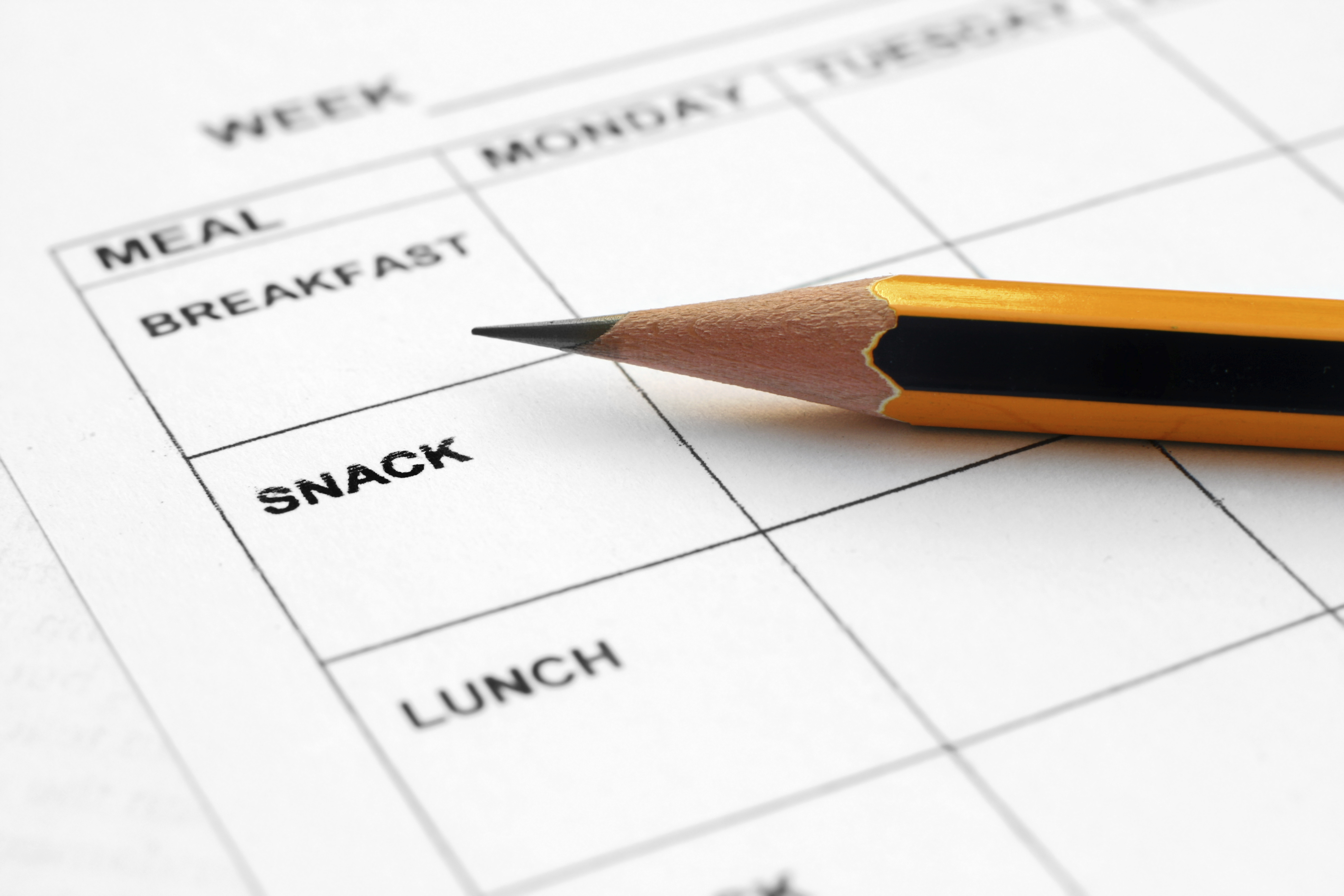
You will create a food log by writing down EVERYTHING that you eat/drink for three whole days. This includes breakfast, lunch, dinner, and any snacks throughout the day. When you record be specific. Include serving size, brand names, and quantities. For example, write "two cups of Captain Crunch cereal with 1 cup of skim milk" rather than "a bowl of cereal and milk." You will also log any exercise you do for the day.
STEP TWO: My Fitness Pal

Once you complete your three day food log, you will enter this information into the My Fitness Pal Website by doing the following:
1. Go to http://www.myfitnesspal.com/ and click on “Sign Up” in order to create a free account
2. Create a Username and enter required personal information (weight, height, gender, activity, etc…)
3. Click “Save and Continue.” The site will ask you to invite friends. Click “Skip"
4. Click “Get Started” and go to the “Food” tab to start tracking your diet.
5. Click on “Add Food” to enter what you have eaten for breakfast, lunch and dinner. Don’t forget to enter the number of servings of each food that you eat!
6. Click on “Add Exercise” to log your activity for each day.
7. Once you log THREE separate days (use the calendar to change the date) click on “Complete This Entry.”
When you are done logging your information, evaluate your results and answer the following questions on a google document, save, and put in your Health folder:
1. Based on your information, how many calories do you need per day? Did you go over or under this number each day?
2. Are you getting the recommended amount of carbohydrates, fats, and proteins in your daily diet?
3. Based on your current eating habits, are you likely to lose, gain, or maintain weight? How do you know?
4. List three goals that you can work towards in order to improve your eating habits.
STEP THREE: Create a Healthy Meal Plan

Now that you have a better idea of your personal eating habits, you will create a three day meal plan for yourself. Write out everything you plan to eat/drink for three days. Include breakfast, lunch, dinner, and snacks. This meal plan must match up with your recommendations from My Fitness Pal. If you should be eating (according to the website based on your personal information) 2,000 calories a day, then your meals for the day should add up to around 2,000 calories. Make sure you are getting the recommended amount of key nutrients every day, including carbs, fats, and proteins. Include all food groups from MyPlate as well.
HINT: Be as specific as possible when writing out your meal plan. Include serving sizes, brand names, and other food label information. The more detailed, the more accurate your plan will be.
Check out the "Credits" page for resources that can be utilized for research in creating your plan.
Evaluation
Grading Rubric:
Below is the rubric I will use to grade your assignments. You will be graded on the completion of each of the three activities (food log, My Fitness Pal, and your meal plan). This project will be worth a total of 45 points.

| 0 | 5 | 10 | 15 | Score | |
| Food Log | Student does not complete food log. | Student completes food log for only one day. | Student completes food log for only two days. | Student completes food log for every meal all three days. | |
| My Fitness Pal | Student does not complete My Fitness Pal diet evaluation. | Student creates My Fitness Pal account, but only partially enters food log. | Student puts food log into My Fitness Pal, but does not answer diet analysis questions. | Students enters all three days of food log into My Fitness Pal and answers all diet analysis questions. | |
| Meal Plan | Student does not create a meal plan. | Student creates a meal plan but it lacks correct content (for example, foods are not healthy). | Student creates a healthy meal plan but has some incorrect information (does not include all food groups, does not meet their daily caloric needs, etc...). | Student creates a healthy meal plan that follows all requirements (meets nutrient recommendations, follows MyPlate guidelines, includes serving size, etc...). |
Conclusion
Congratulations! By completing this WebQuest you have learned the value of healthy eating. You have tracked your personal dieting habits through a food log, set new goals for yourself, and even created a meal plan that you can use in the future. Whether you are cooking at home or eating out, you can use these tips and strategies to eat clean and live a healthy lifestyle!

Here is a review of some important information we have learned:
MyPlate Food Groups:
- Fruits (apple, banana, orange, strawberries)
- Vegetables (broccoli, green beans, sweet potato, squash)
- Grains (pasta, bread, cereal, rice)
- Protein (meat, beans, nuts)
- Dairy (milk, eggs, cheese)
- Oils (cooking oils, salad dressings, fish)
Intake Recommendations based on a 2,000 a day calorie diet
- Fruits (1.5 cups a day)
- Vegetables (3 cups a day)
- Grains (4 ounces a day)
- Protein (6 ounces a day)
- Dairy (3 cups a day)
- Oils (6 teaspoons)
Reading a Food Label
- Start at the top of the label with serving size
- Always multiple calories per serving by the number of servings you eat.
- The % Daily Value will tell you how much of each nutrient you are receiving for your recommended daily allowance.
- Limit saturated and trans fat.
- Get plenty of vitamins and minerals.
- The first ingredient listed is what is used most in the product, and each ingredients listed after is descending order.
USDA Dietary Guidelines for Americans 2015 - 2020
- Follow a healthy eating pattern across the lifespan. All food and beverage choices matter. Choose a healthy eating pattern at an appropriate calorie level to help achieve and maintain a healthy body weight, support nutrient adequacy, and reduce the risk of chronic disease.
- Focus on variety, nutrient density, and amount. To meet nutrient needs within calorie limits, choose a variety of nutrient-dense foods across and within all food groups in recommended amounts.
- Limit calories from added sugars and saturated fats and reduce sodium intake. Consume an eating pattern low in added sugars, saturated fats, and sodium. Cut back on foods and beverages higher in these components to amounts that fit within healthy eating patterns.
- Shift to healthier food and beverage choices. Choose nutrient-dense foods and beverages across and within all food groups in place of less healthy choices. Consider cultural and personal preferences to make these shifts easier to accomplish and maintain.
- Support healthy eating patterns for all. Everyone has a role in helping to create and support healthy eating patterns in multiple settings nationwide, from home to school to work to communities.
Personal Dietary Guidelines: The amount of calories you need to eat per day is different for everyone and dependent upon the following:
- Gender
- Height/Weight
- Age
- Activity Level
- Metabolism
Credits
The following resources have been used in the creation of this WebQuest:
https://www.choosemyplate.gov/MyPlate
Teacher Page
NATIONAL HEALTH EDUCATION STANDARDS
Standard 1: Students will comprehend concepts related to health promotion and disease prevention to enhance health.
Standard 2: Students will analyze the influence of family, peers, culture, media, technology, and other factors on health behaviors.
Standard 3: Students will demonstrate the ability to access valid information and products and services to enhance health.
Standard 4: Students will demonstrate the ability to use interpersonal communication skills to enhance health and avoid or reduce health risks.
Standard 5: Students will demonstrate the ability to use decision-making skills to enhance health.
Standard 6: Students will demonstrate the ability to use goal-setting skills to enhance health.
Standard 7: Students will demonstrate the ability to practice health-enhancing behaviors and avoid or reduce health risks.
Standard 8: Students will demonstrate the ability to advocate for personal, family, and community health.