Introduction
Introduction to the History of Photography. Use this inconjuction with the history packet and questions.
Process
Please refer to your history packet and the information below to complete the history research questions. You will be responsible to the "10 Images to Know" on your first quiz.
Photography's Beginnings
•THE BEGINNING OF PHOTOGRAPHY - was the result of the work of many scientists and artists and not the discovery of one single person.•The name “photography” was coined by Sir John Hershel•Each person added to the puzzle until the picture became easier to see. Photography has two vital elements - OPTICAL and CHEMICAL.
The Camera Obscura•The optical pieces were put into motion by Leonardo da Vinci with his camera obscura. Used to trace an image for artistic representation the first lens and camera came in the 1500’s. His drawing dates back to 1519.
How a Camera Obscura works
[video:https://www.youtube.com/watch?v=lP7xdux5hII]
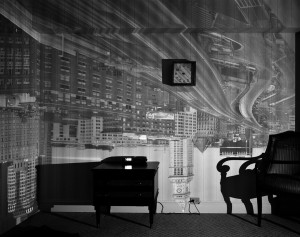
Check out the work of Abelardo Morell using this concept:
http://www.abelardomorell.net/project/camera-obscura/
10 Images to Know from History
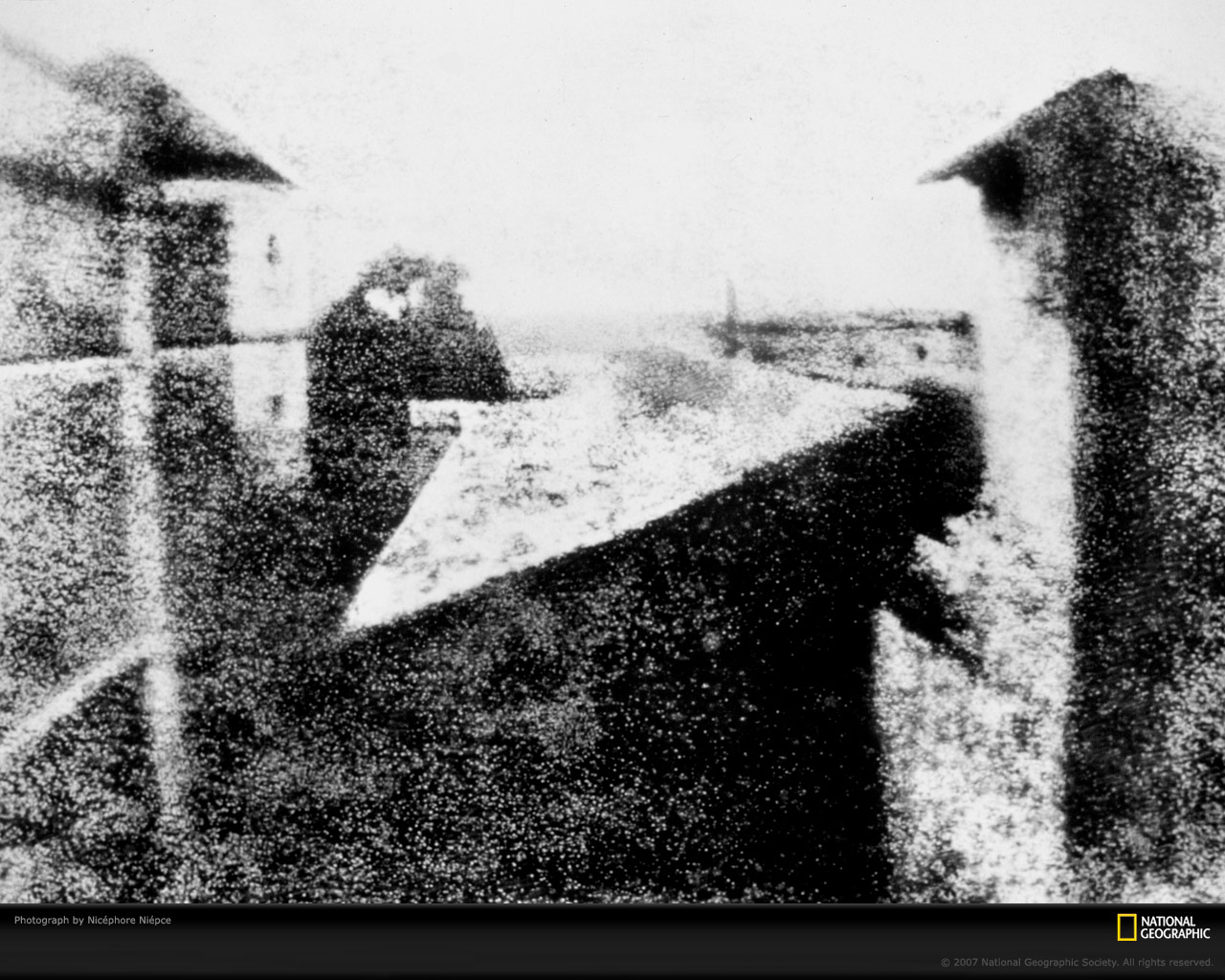 Joseph Niépce- first photo
1826 Joseph Nicephore Niepce
The View from the Window at Le Gras
The First Photograph (Made with a Camera Obscura)
[video:video:https://www.youtube.com/watch?v=78KfCkCN3ck]
•The first successful picture was produced in 1826 by Joseph Niépce. This exposure took 8 hours.
First Negative
Henry Fox Talbot created the first photographic negative
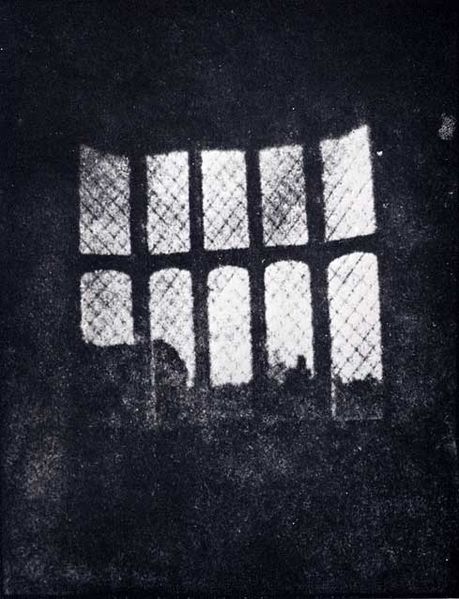 1835 William Henry Fox Talbot
Latticed Window at Lacock Abbey
The Oldest (paper) negative in existence
Read here for more info:
http://www.metmuseum.org/toah/works-of-art/1997.382.1/
•On January 4,1829 Niépce agreed to go into partnership with Louis Daguerre. Niépce died only four years later, but Daguerre continued to experiment. Soon he had discovered a way of developing photographic plates, a process which greatly reduced the exposure time from eight hours down to half an hour. He also discovered that an image could be made permanent by immersing it in salt.
•The Daguerreotype was first commercially successful type of photography created .
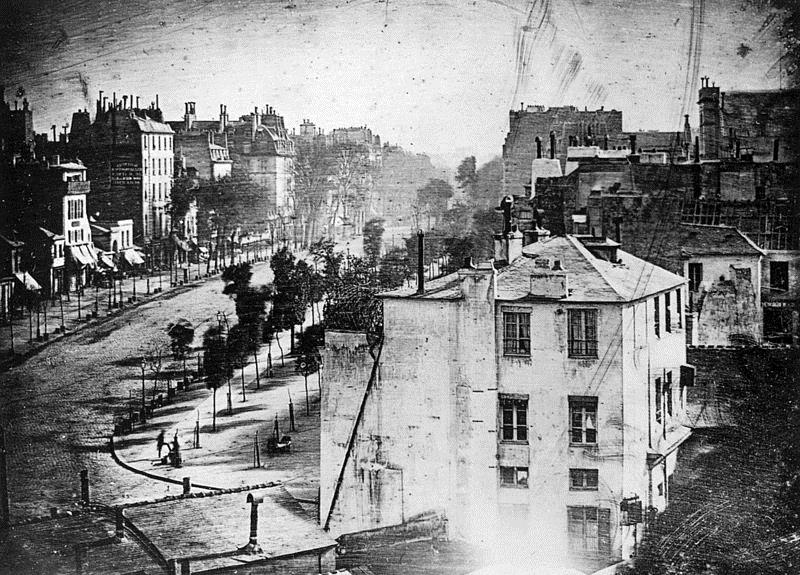 1838 Jacque Louis Monde Daguerre
Boulevard du Temple
Dagurreotype
First Photograph of people. Generally accepted as the earliest photograph of people. It is a view of a busy street, but because the exposure time was at least ten minutes the moving traffic left no trace. Only the two men near the bottom left corner, one apparently having his boots polished by the other, stayed in one place long enough to be visible.
How a deguerreotype is created: [video:https://www.youtube.com/watch?v=N0Ambe4FwQk]
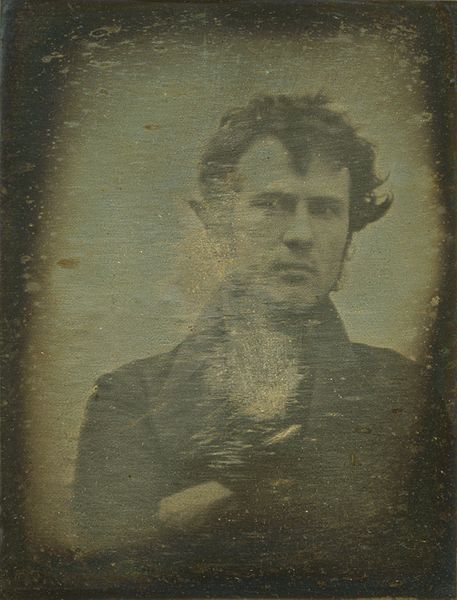 1839 Robert Cornelius
Head-and-Shoulders self-portrait, facing front, with arms crossed
Quarter plate Daguerreotype
First Photograph of a human
Read more how this was the first "selfie":
http://publicdomainreview.org/collections/robert-cornelius-self-portrait-the-first-ever-selfie-1839/
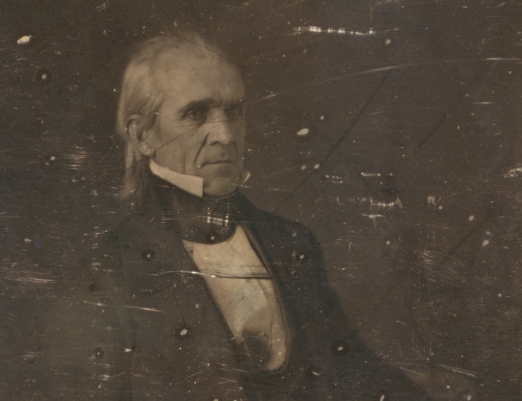 1849 Matthew Brady
James K. Polk
Polk was the first sitting American President to be photographed
Click here for more info: http://www.historybyzim.com/2013/02/first-president-photograph/
Wet Plate-Collodion Process
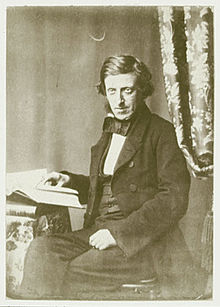 1851 Frederick Scott Archer
Self-Portrait
Wet plate collodion inventor
By 1855 his invention replaced the Daguerreotype as the way that most photographs were made.
How do you create a wet plate photograph? Click here to watch a video of the process
http://www.picturecorrect.com/tips/first-person-view-of-the-wet-plate-collodion-photography-process/
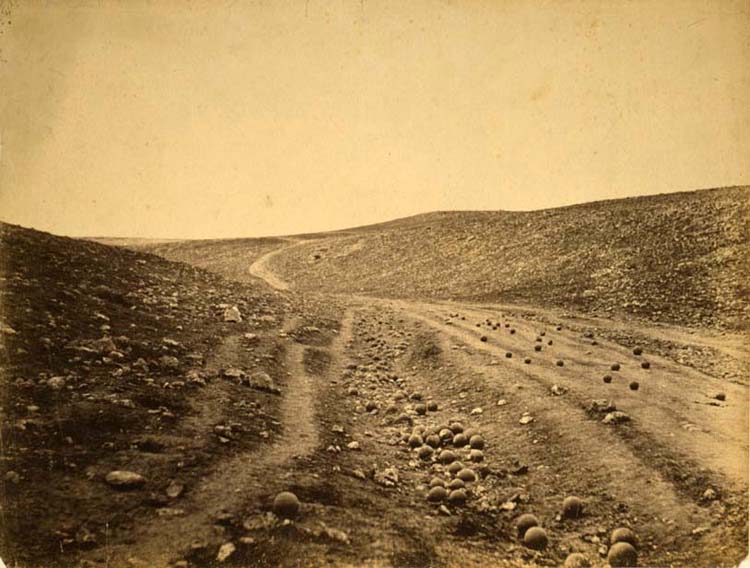 1855 Roger Fenton
In the Valley of the Shadow of Death
First Images of War:Crimean War
Follow this link to read about this photo…was it staged?
https://iconicphotos.wordpress.com/2009/04/22/the-valley-of-the-shadow-of-death/
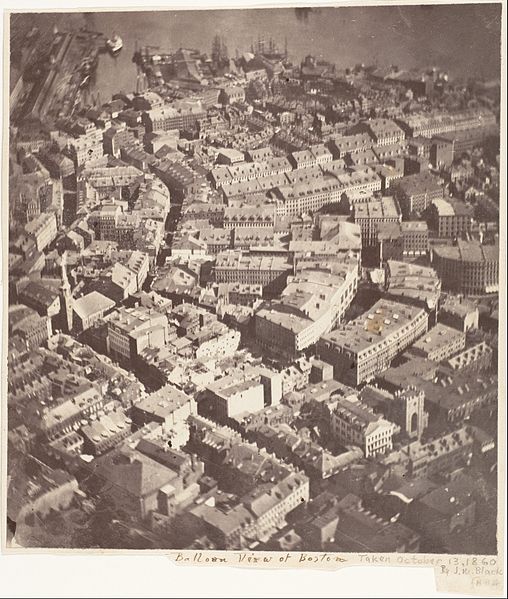 1860 James Wallace Black
“Boston, as the Eagle and the Wild Goose See It”
Oldest surviving aerial photograph
Although the French photographer Nadar had taken earlier images of Paris…none survive.
Click here for more information:
http://www.metmuseum.org/art/collection/search/283189
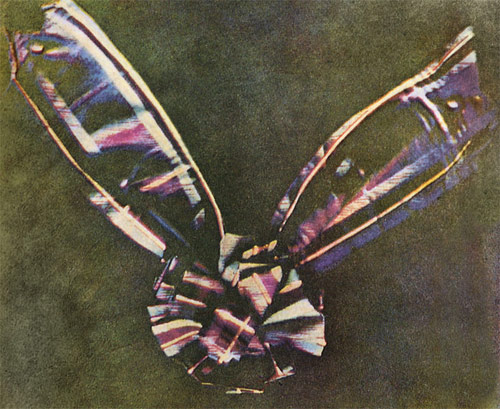 1860 James Clerk Maxwell (with Thomas Sutton)
Tarton Ribbon
The First Color Photograph
Follow the link to find out how he did it
http://www.clerkmaxwellfoundation.org/html/first_colour_photographic_image.html
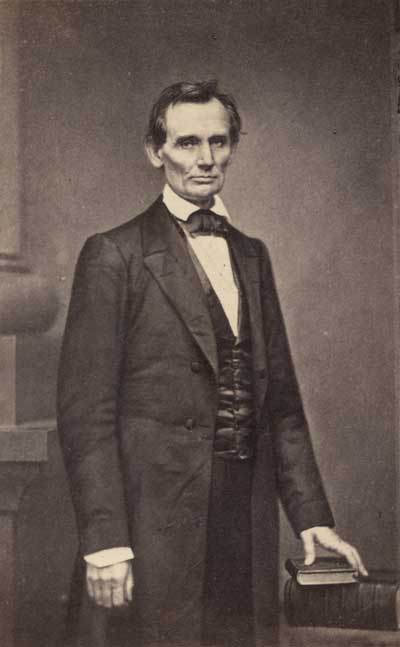 1860 Matthew Brady
Abraham Lincoln
See why this photo was important to the history of the world.
http://iconicphotos.wordpress.com/2010/01/15/mathrew-bradys-lincoln/
Dry-Plate Process
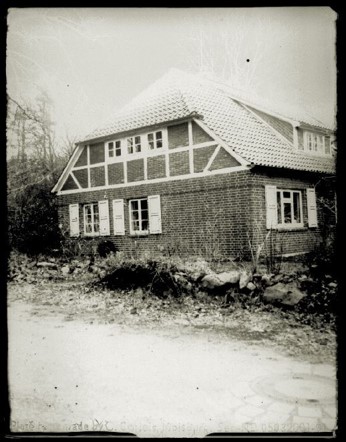
•The next major step forward came in 1871, when Dr. Richard Maddox discovered a way of using Gelatin (which had been discovered only a few years before) instead of glass as a basis for the photographic plate.
•This led to the development of the dry plate process. Dry plates could be developed much more quickly than with any previous technique. Initially it was very insensitive compared with existing processes, but it was refined to the extent that the idea of factory-made photographic material was now becoming possible. •The introduction of the dry-plate process marked a turning point. No longer did one need the cumbersome wet-plates, no longer was a darkroom tent needed. One was very near the day that pictures could be taken without the photographer needing any specialized knowledge.
George Eastman & Kodak
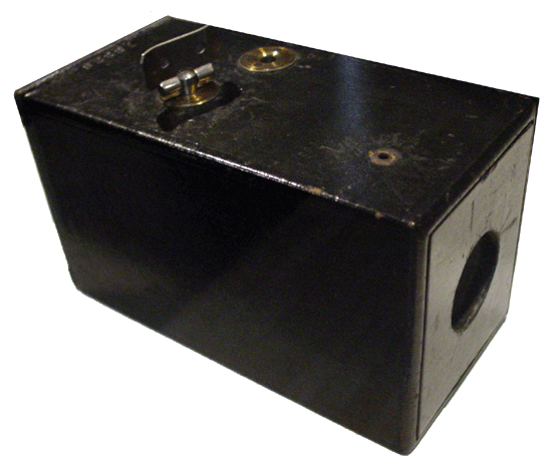
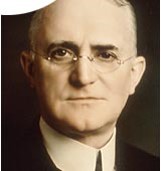 •This also lead to the development of faster shutters and smaller cameras as motion became a challenge for the artist to capture. The invention of roll film and paper coated with light sensitive material for making prints from negatives in 1884 by George Eastman changed the process even more. •George Eastman is particularly remembered for introducing flexible film in 1884. Four years later he introduced the box camera, and photography could now reach a much greater number of people. •Eastman also marketed the first hand held camera called the Kodak which Eastman though sounded like the sound of the camera shutter. •The Kodak No. 1 camera introduced in 1888 took one hundred pictures with a roll of film placed in a wooden box.