
Introduction
WHERE SHALL WE TRAVEL TO SPEAK SPANISH?

The most obvious answer to this question is Spain, but there are many other countries that speak Spanish too.
So, our MiSSION is to create a CLASS BOOK that convinces our readers to VISIT SPANISH-SPEAKING country.
We will follow a magazine format to present the country, and remember, it has to be a BILINGUAL magazine! (Spanish-English)
Are you ready to explore the Spanish Speaking Countries? HAVE FUN!

Task
SPANISH SPEAKING COUNTRIES BOOK: De paseo por países hispanohablantes
You have chosen 1 of the 20 Spanish Speaking Countries to create abilingual magazine that will be part of the class book and your MISSION is to convince the readers to visit that country.
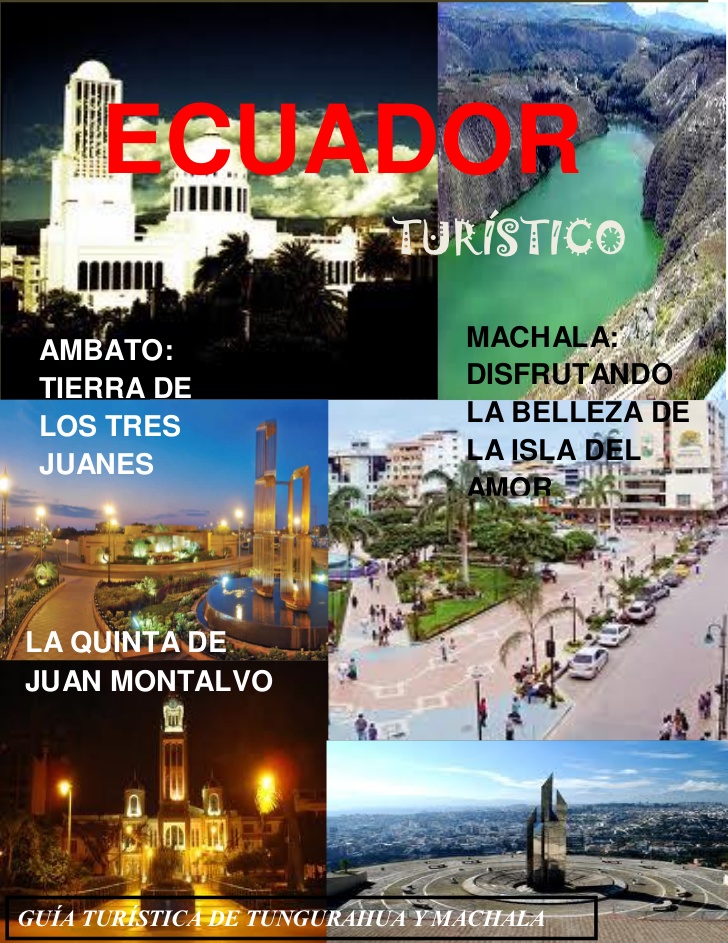
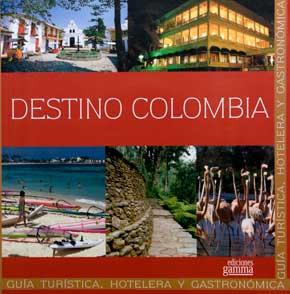
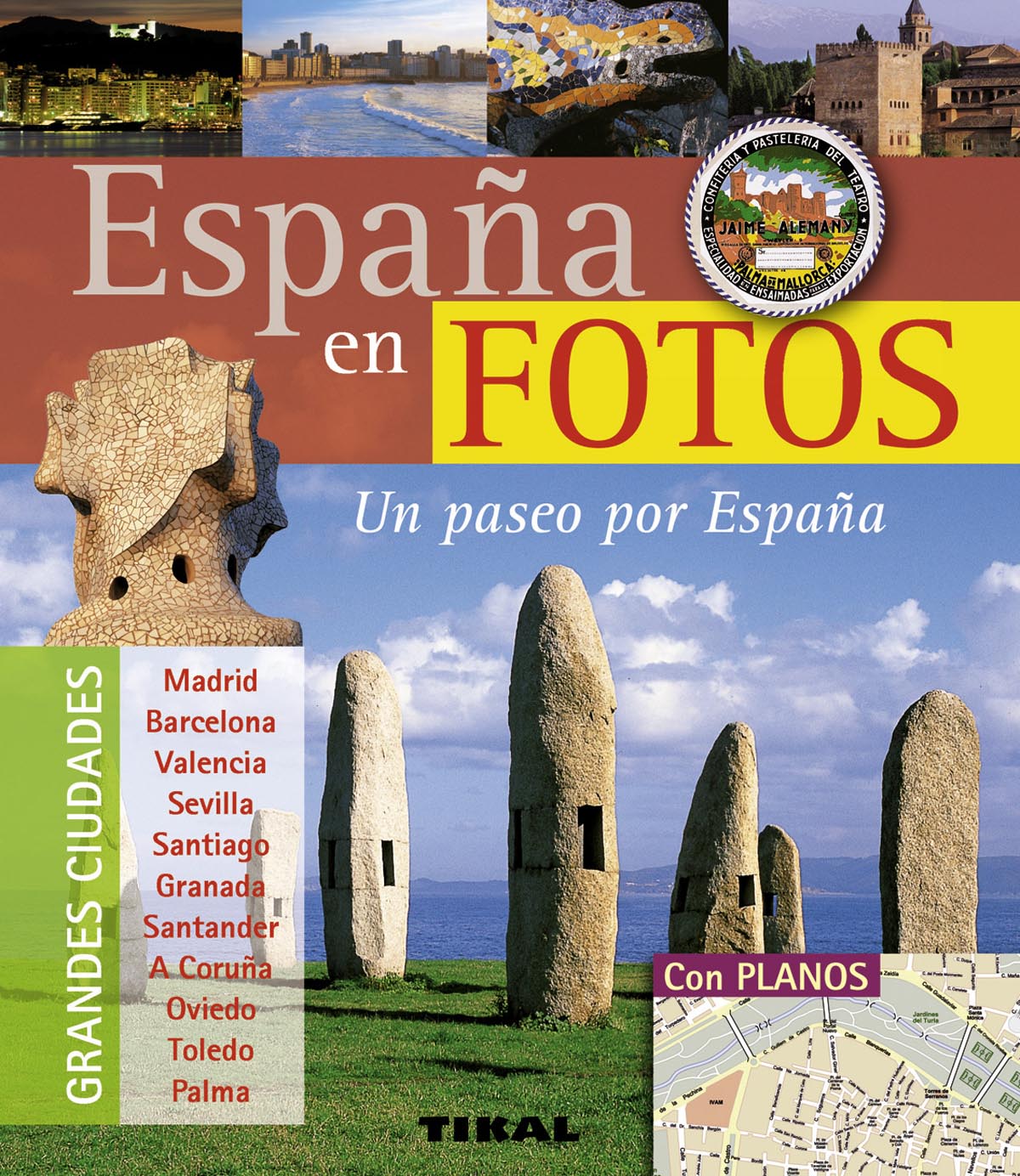
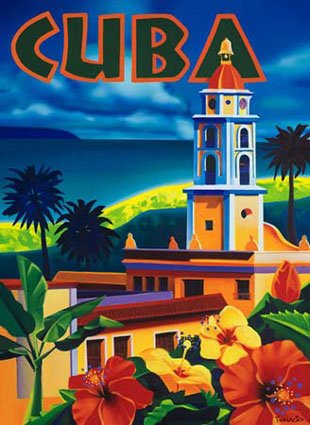
1. Create an original and creative cover (page 1).
2. Present the country: Where is the country? Which is its capital? (page 2) --> Insert a map to locate the country and its flag, and introduce it.
3. Describe a city of the country a tourist should visit (pages 3-4) --> Locate it in the country, include relevant information and add some places of interest (at least 3) with some pictures.
*Are you unsure about the city you should choose? Do you think it would be better to present 2 or 3 cities? Do not hesitate and include them it will be an extra point per city! (max. 3 cities) Would you like to include another touristic place? Just do it! (+1 per place, max. 5 attractions)
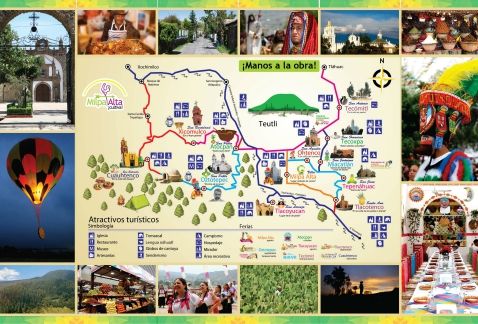
4. Elaborate an itinerary for each place a tourist should visit (pages 5-7) --> Try to locate it in a city map; explain how to arrive there (walking distance, public transport, etc. and add its cost if necessary using the country monetary system); add the cost of the attraction (if any); why they should visit that place, etc.
5. Present 3 - 5 traditional meals from the place you are talking about (page 8) --> Add pictures, describe the dishes and explain their tradition.
6. Describe at least 1 popular festivity or traditions from the place you are talking about (page 9) --> Name, what, when, where, why, etc. and add some pictures.
7. Page 10 --> author, date, extra sources, etc.
*NOTE: the magazine should have at least 10 pages. Maximum it could be 15 pages if you add extra information and curiosities! --> Any extra will count in your assessment.
*Do not forget to write it in English too. Spanish should be first and, after each section, it should be translated into English (using italics).
*Use as many resources as you wish: the Internet, books, magazines, own pictures, guides, etc.
Process
1. You will choose a country (every topic has to be covered).
2. You will decide if you prefer to work individually in your country or if you prefer to work some of them you can be a group, but each member has to participate equally.
3. You will research all the information presented in the task (we will use the computer and electronic devises in the classroom). Click on Credits to acces links to information and resources.
4. You will have to organize yourself and try to complete at least one step per session. You could use Microsoft Publisher programme to create your magazine.
5. Share you work with the teacher via Google Drive to check the spelling.
6. The last session will be for your presentation. Print your bilingual magazine and create a PowerPoint or Prezi presentation if you wish to present your work.
Evaluation
|
|
Struggling |
Emerging |
Developing |
Strong |
Expert |
|
Requirements |
Students completed 0☐ 1☐ 2☐ 3☐ 4☐ 5☐ 6☐ 7☐ |
Students completed 0☐ 1☐ 2☐ 3☐ 4☐ 5☐ 6☐ 7☐ |
Students completed some requirements (at least 4) 0☐ 1☐ 2☐ 3☐ 4☐ 5☐ 6☐ 7☐ |
Students completed most of the requirements (5-6) 0☐ 1☐ 2☐ 3☐ 4☐ 5☐ 6☐ 7☐ |
Students completed all the requirements 0☐ 1☐ 2☐ 3☐ 4☐ 5☐ 6☐ 7☐ |
|
Content |
Writers struggle to use accurate punctuation, grammar, spelling and vocabulary (in at least one language). Ideas are just express in one language. |
Writers use few accurate punctuation, grammar, spelling and vocabulary (in at least one language). Ideas are express in one language better than the other. |
Writers use accurate punctuation, grammar, spelling and lot of vocabulary in both languages |
Writers use very accurate punctuation, grammar, spelling and specific vocabulary in both languages |
Writers use extremely accurate punctuation, grammar, spelling and lot of specific vocabulary in both languages |
|
Creativity |
Magazine is messy ☐, does not include colour ☐ or images |
Magazine is not neat ☐, lacks of colour ☐, very few images ☐ |
Magazine is neat ☐ and includes colour ☐ and images in most of the sections ☐ |
Magazine is visually appealing ☐ and includes colour ☐ and images in each section (at least 1) ☐ |
Magazine is extremely neat and visually appealing ☐ and includes colour ☐ and lots of images in each section ☐ |
|
Organization |
Ideas are not logical and well organized, which confuses the reader |
Most of the ideas are not logical and well organized, which confuses the reader |
Few ideas are not logical and well organized |
Ideas, in general, are well organized, which helps reader follow it easily |
All the deas are clearly |
|
Presentation |
A bit messy without any support |
Not very clear |
Organized but with basic support |
Clearly organized and innovative using supportive tools |
Extremely organized and innovative using supportive tools |
|
|
Someone has not participated ☐ Some members have not participated in the presentation ☐ |
No everyone has participated Some members have not participated in the presentation ☐ |
Everyone has participated equally in the magazine but not in the presentation or someone has not participated |
Everyone has participated equally in the magazine but some have presented more than others |
Everyone has participated equally in both, the magazine and the presentation |
Conclusion

It is amazing how much we can learn from others by exploring a country and its culture. Now that you know there are 20 Spanish speaking countries and you had the chance to discover each country, which country would you like to visit? Why?
Credits
GENERAL INFORMATION
https://www.saberespractico.com/curiosidades/en-que-paises-se-habla-esp…
http://www.learnspanishtoday.com/learning_module/facts.htm
http://www.explore-hispanic-culture.com/hispanic-traditions.html
http://www.spanish.cl/vocabulario/paises-de-habla-hispana-capitales.htm
1. SPAIN
http://www.tourspain.es/es-es/Paginas/index.aspx
http://www.exteriores.gob.es/Portal/es/ServiciosAlCiudadano/Informacion…
2. ARGENTINA
http://www.argentinaturismo.com.ar/
http://www.argentour.com/es/mapa/turistico/argentina.php
http://www.argentina.travel/en
3. CHILE
4. BOLIVIA
5. COLOMBIA
http://www.colombia.com/turismo/
http://www.colombia.co/turismo
6. COSTA RICA
http://www.visitcostarica.com/ict/paginas/home.asp?ididioma=1
http://www.conozcacostarica.com/
7. CUBA
http://www.turismodecuba.info/
8. ECUADOR
9. EL SALVADOR
http://www.elsalvadorturismo.com.sv/
https://www.youtube.com/watch?v=Ru1yXiGyahM
10. GUATEMALA
http://xplorandoguatemala.com/viajes-y-turismo/lugares-turisticos-de-gu…
11. GUINEA ECUATORIAL
http://www.guineaecuatorialpress.com/turismo.php
http://www.embassyofequatorialguinea.co.uk/tourism-in-equatorial-guinea…
12. HONDURAS
13. MEXICO
http://atlasturistico.sectur.gob.mx/AtlasTuristico/bienvenido.do
14. NICARAGUA
http://www.visitanicaragua.com/
http://enviajes.cl/nicaragua/lugares-turisticos-de-nicaragua/
15. PANAMA
http://www.panamaenelexterior.gob.pa/sobre-panama/informacion-turistica…
http://www.viajeros.com/destinos/ciudad-de-panama/
16. PARAGUAY
http://www.paraguay.com/turismo/10-lugares-exoticos-de-paraguay-102491…
https://www.youtube.com/watch?v=29Vx8Y1wzrE
17. PERU
18. REPUBLICA DOMINICANA
http://www.godominicanrepublic.com/es/
https://www.youtube.com/watch?v=NRTRauBNxb4
http://digo.do/lugares-turisticos-de-republica-dominicana/
19. URUGUAY
http://www.turismo.gub.uy/index.php/lugares-para-ir
http://www.welcomeuruguay.com/
20. VENEZUELA
http://www.mintur.gob.ve/mintur/
OTHER SOURCES: