
Introduction
Welcome to Places Around Us. This is our topic for Term 2.
We will be learning about a lot of new and exciting things about places around us in Castle Hill. We will also be learning about maps and how to read them.
Our learning goal for this term is
What are the different features of places?

Task
You will have a series of tasks to complete throughout the term.
You must remember to SAVE your work so your teacher can see what you are doing.
Year 1 has the important job of researching the local area so that by the end of this webquest, they are experts and can create the best local area using Minecraft.
Don't forget, throughout this, you must remember to
ASPIRE,
be RESPONSIBLE and,
be RESPECTFUL.
Process
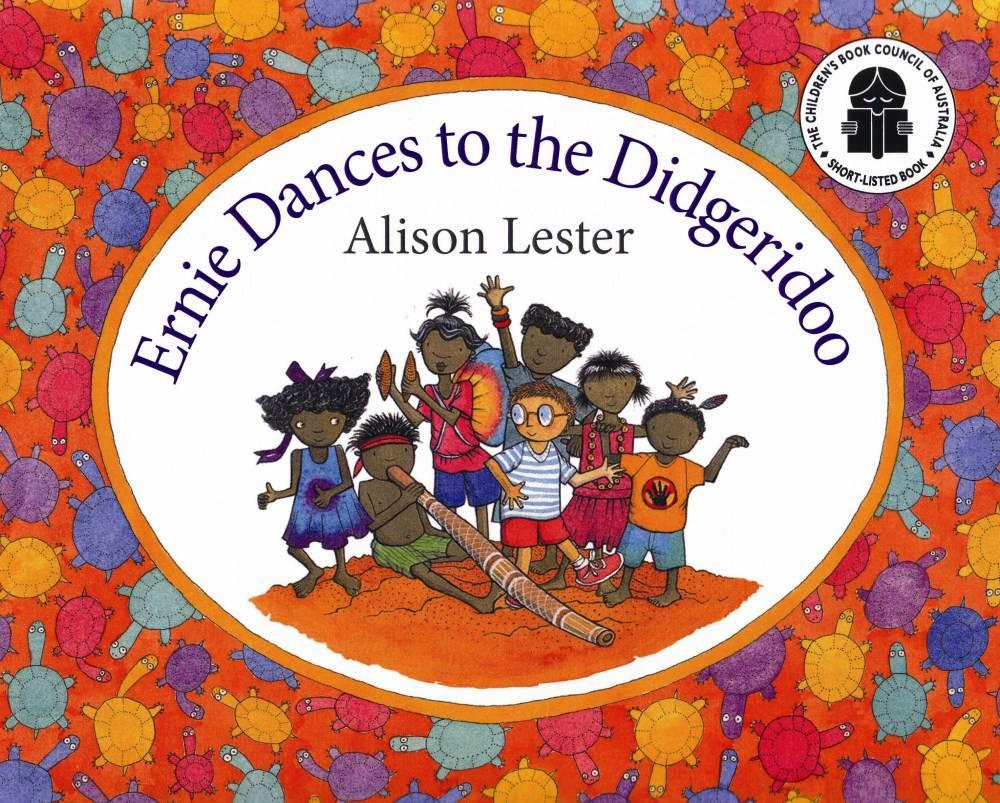
1. After reading Ernie Dances to the Didgeridoo, your first task is to open googlemaps;
and find the following places;
- Your house
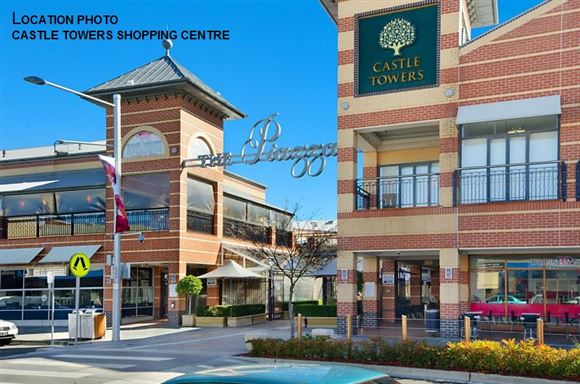
- Castle Towers Shopping Centre
- Castle Hill Heritage Park
- McDonalds
- East Alligator River
- Arnhem Land
___________________________________________________
2. Lesson Focus: MAPS
Have a go following instructions on this game;
www.bbc.co.uk/schools/teachers/ks2_activities/english/activities/deduction.swf

For this next video, you will need to plug your headphones in.
Listen and watch this video:
www.youtube.com/watch?v=Czk4p5QmLSA
In your books, write the following questions AND answer them.
1. What do we use maps for?
2. Why do we need maps?
Then click on this link...
www.nps.gov/webrangers/activities/readingmap/readingmap.swf
Finally, have a go with this game...
www.bbc.co.uk/scotland/education/sysm/landscapes/highlands_islands/flash/land_ms_compass.swf
_______________________________________________________________________________________________
3. Lesson Focus: Features of Places
Click on the start button (in the corner) and open a Word Doc
......
Find 1 picture using Google Images for the following:
Managed, Natural and Constructed
.......
Print these pictures and label them in your book.
____________________________________________________________
4. Lesson Focus: Caring for Places
Find a picture of "Heritage Park Castle Hill" - copy and paste this onto a Word Doc.
Your job today is to design a poster to explain 1 way to care for the park.
____________________________________________________________
5. Lesson Focus: Design a new place in our Community
Using Minecraft, you have 1 lesson to design and create a new park to go in Castle Hill. Your park MUST have:
- Natural Features
- Built Features
- Managed Features
These will be printed and stuck in your books.
Teacher Page
Outcomes
Science (inc. Science and Technology K-6) K-10
› ST1-4WS investigates questions and predictions by collecting and recording data, sharing and reflecting on their experiences and comparing what they and others know
› ST1‑5WT uses a structured design process, everyday tools, materials, equipment and techniques to produce solutions that respond to identified needs and wants
› ST1‑2VA demonstrates a willingness to engage responsibly with local, national and global issues relevant to their lives, and to shaping sustainable futures
› ST1‑14BE describes a range of places and spaces in the local environment and how their purposes influence their design
Geography K-10
› GE1‑1 describes features of places and the connections people have with places
› GE1‑2 identifies ways in which people interact with and care for places
GE1‑3 communicates geographical information and uses geographical tools for inquiry
Geographical Understanding
The unit provides opportunities for children to develop geographical understandings that are particularly focused on the following concepts.
Place / Space / Environment / Scale
Key Questions
- What are the features of places?
- How can we care for places?
- How can spaces within a place be used for different purposes?
Achievement standard
By the end of Year 1, students identify and describe the natural, managed and constructed features of places at a local scale and recognise that people describe the features of places differently. They identify where features of places are located and recognise that spaces can be arranged for different purposes. Students identify changes in features and describe how to care for places.
Students respond to questions about familiar and unfamiliar places by collecting, recording and sorting information from sources provided. They represent the location of different places and their features on pictorial maps and present findings in a range of texts and use everyday language to describe direction and location. They reflect on their learning to suggest ways that places can be cared for.