
Introduction
Should you be put on trial as an adult when you commit a crime? Every year juveniles under the age of 18 are being tried as adults and have receive sentences as severe as life in prison without parole and the death penalty. You are going to reflect upon the meaning of justice, read various views on whether or not juveniles should be treated like adults, and come to your own conclusion - should juveniles be tried and sentenced as adults when they commit crimes? Are you ready to take on this task?

"In August, six months after the United States Supreme Court agreed to consider the constitutionality of the juvenile death penalty, Robert Acuna, a high school student from Baytown, Tex., was put on trial for his life." -Adam Liptak
"It’s a glaring inconsistency that’s getting more glaring by the hour as children as young as 12 and 13 are being charged as adults in America’s courts." - Marjie Lundstrom
"Jurors returned with the verdict May 16th: Fourteen-year-old Brazill, charged in last May's shooting of middle-school teacher Grunow, was found guilty of second-degree murder." - Paul Thompson
"Thousands of juveniles tried as adults in the United States may be incompetent to stand trial because they are emotionally or intellectually unable to contribute to their own defense, according to a juvenile-justice study to be released today." - Greg Krikorian
Task
Group project no more than 3 people
There has been a lot of commotion over the years over the trying and sentencing of juveniles as adults in the United States. There are many factors to consider when discussing whether or not it is right or wrong to try juveniles as adults. The U.S. Congress in an unprecedented move has set up a hearing where they wish to hear from the perspectives of many people in order to come to a conclusion on the matter.
You have been selected to be a representative of the youth in this matter and testify before Congress. You only have a short time to consider the issue and draw your conclusions, so it is time to think fast, find evidence that supports your arguments, and refute the opposition.
You are going to reflect upon what you know about Juvenile Justice and read some newspaper articles with various opinions on the subject. You must become an expert on the subject of Juvenile Justice a classmate and take a stance on the issue by providing a systethis poster for this unit. It will surve as your final project and will be posted around the room fro evulation by classmates. You will not be able to present your poster so it should be well thought out.
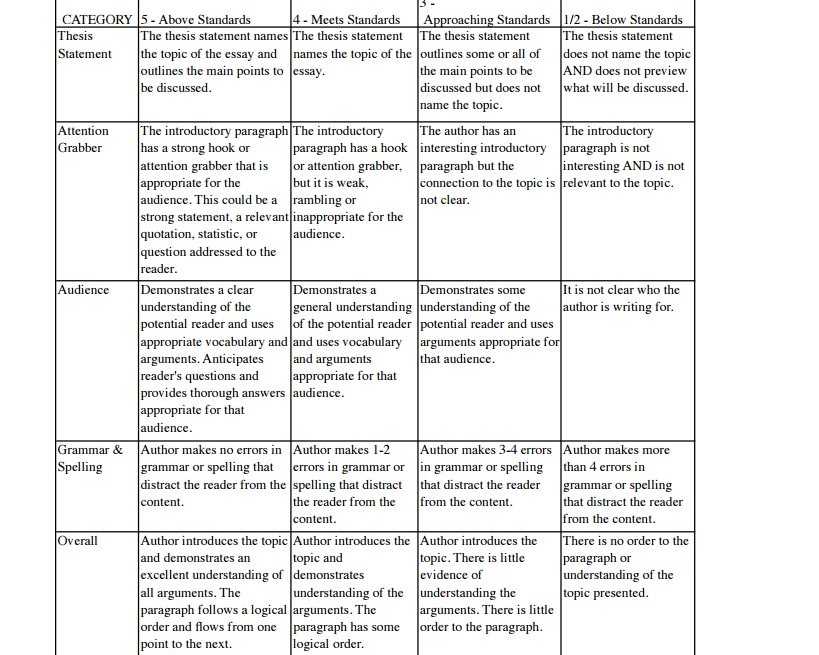
*You will need to have introductory paragraph with a thesis statement that takes a stand on the issue of juvenile justice stapled to the front of your poster.
*Your poster should have images and quotes from artilces
*Your defintion of justice
*Your poster should make it clear what your stance is
You will need to take notes but the notes will not be collectd or graded .
Process
- You are going to work with a partner for this assignment.
- Your first job is to look up the definition of "justice". Do all websites give the same definition? Dictionary.com, Wikipedia.org, Merriam-Webster.com/dictionary. Discuss with your partner what you think "justice" means. Come up with your own definition and write it down in your notes.
- Using the links below read the following articles out loud with your partner. There are four articles that are each one to two pages in length. As you are reading out loud together find at least 3 quotes that you think are important or stick out to you from each article and write them in your notes. This means that when you are done reading you should have 12 quotes - 3 from each article. (40 minutes)
"Supreme Court to Rule on Executing Young Killers" by Adam Liptak
"Kids are Kids - Until they Commit Crimes" by Marjie Lundstrom
"Startling Finds on the Teenage Brain" by Paul Thompson
"Many Kids Called Unfit for Adult Trial" by Greg Krikorian
3. Now you have a lot of opinions about Juvenile Justice. Do you agree or disagree? You are going to write an introduction to a persuasive essay complete with a thesis in order to express your knowledge and opinion on the subject. Reread the rubric for the introductory paragraph and make sure you have satisfied all of the requirements.
Poster
Your poster should answer the following questons:
• How does the juvenile process differ from the adult process?
• How do the rights of juveniles differ from those of adults?
• What are offenses for which a juvenile may be tried as an adult?
• How might conflicts be peacefully resolved?
Your 12 quotes on the poster need to support your postion
Images and words should be easy to read and large enough to read
Evaluation
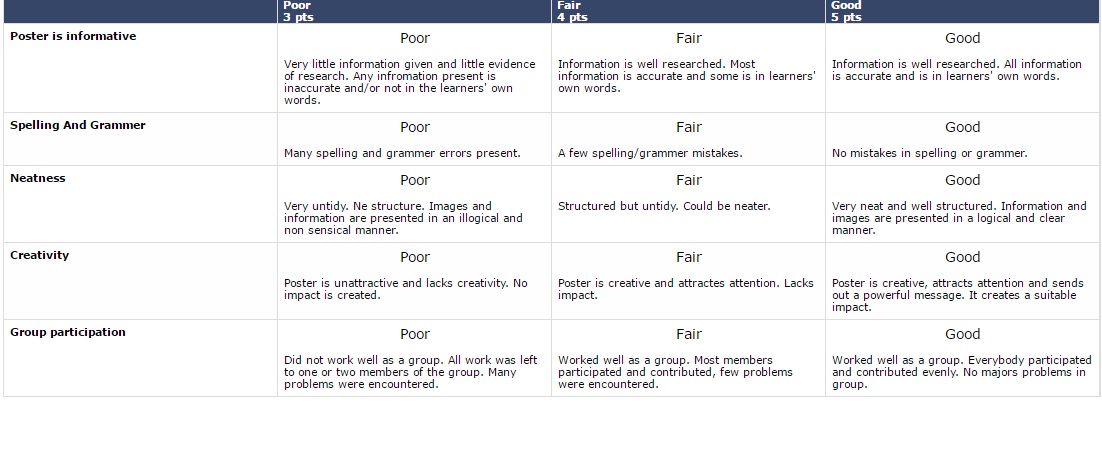
Rubric 1= poster
rubric 2= intro paragraph
Poster elements
__ Title that shows stance taken
__ Quotes from articles that prove your stance
__Images that use pathos, ethos, logos for argument
Conclusion
Introduction paragrpah Rough Draft due 5-5-16
Poster and introduction are due 5-12-16 at the beigning of class.