
Introduction
Head Lice (Pediculosis)
Head lice are tiny little creatures that survive on blood supply, drawn from the scalp. Lice, or "nits" are very common within primary schools as they spread very quickly and can be difficult to treat.
While not life threatening, or immediately dangerous, head lice can be very frustrating and long-term infestation can cause other issues such as dermatitis.
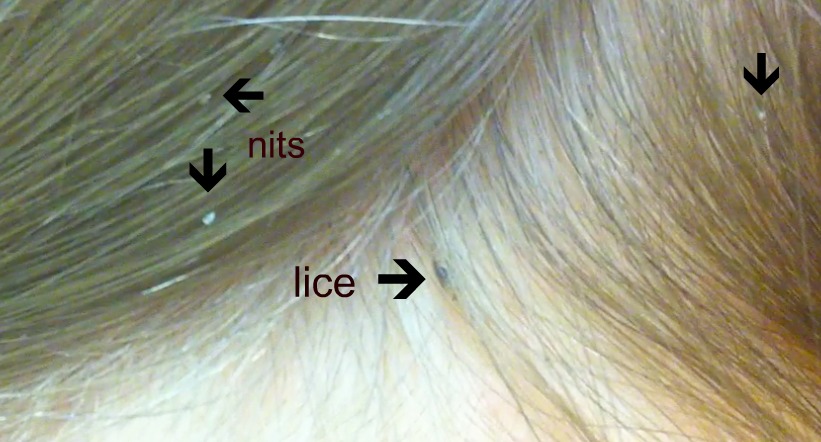
("What Does Head Lice Look Like", 2016)
Head Lice (the breakdown):
Nit - refers to the eggs of head lice. The eggs hatch in approximately 1 week and are commonly found attached to the hair shaft.
Nymph - The nit after it has hatched. Becomes an adult in approximately 7 days from hatching and will die without blood supply.
Adult - Has 6 legs and can live for up to 30 days, needs blood supply to survive.
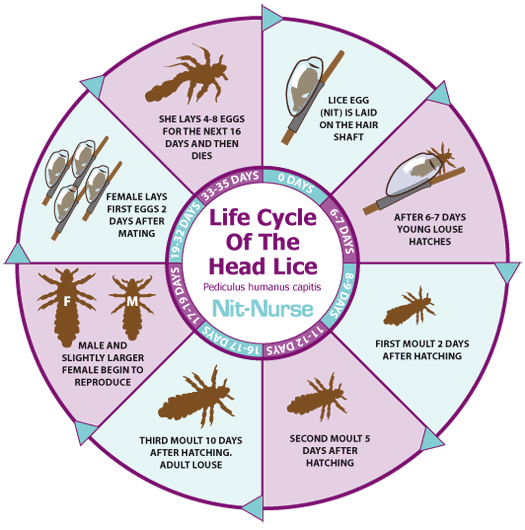
Figure 1:1 The Life cycle of head lice (if left untreated will continue around the cycle).
("Life Cycle of the Head Lice", 2015)
Symptoms:
The most common symptom is scratching and irritation of the scalp. Red sores may form as a result of over scratching and irritation. By standing above a student you will be able to see eggs (which can be mistaken for dandruff) as well as live lice crawling around in the hair. If you cannot see them but suspect they are there, check behind the ears and at the back of the neck as head lice are attracted to the warmer parts of the scalp.
Treatment:
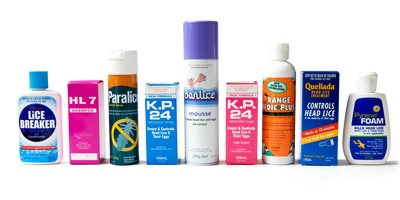
Figure 2: Various brands / forms of head lice treatment available.
(Pelletier, 2015)
First and foremost, the hair needs to be treated. This is done by running through a treatment of nit shampoo and leaving it for as long as the directions on the bottle indicate. During this time the chemicals kill all the live nits as well as the eggs, after washing out the shampoo run a fine comb through the hair to remove the eggs and dead lice from the hair.
This treatment needs to be repeated if necessary and regular dry combing is needed to ensure all the eggs are gone, which can hatch and continue the problem.
Some parents may be unable to afford this treatment. If this is the case, a large amount of conditioner and combing through is a suitable alternative.
In addition to treating the individual, siblings and parents should also be treated even if they do not immediately present with any indicators of infestation.
Bedding, clothing (particularly hats) and toys need to be washed on a warm cycle. As head lice can survive on these surfaces for a small amount of time and then transfer back onto the head, they are able to re-infest the child. Research has suggested that head lice will quickly dehydrate and die but there is still the risk ("Head Lice: Pediculus humanus capitis", 2016).
Recovery Time:
It is suggested that the child should remain absent from school until they have been treated; however this is not always the case. The recovery time is not long, if the students is properly treated. If children are sent to school untreated the parents will be contacted. Failure to collect and treat the child will result in the child being isolated from other children to prevent spreading. Unfortunately, the school is not able to treat the child themselves; however, some schools will provide head lice treatment for parents who cannot afford it.
Minimizing the infection / spreading:
Children love to get close, and head lice spread by jumping or making their way from one head to another. They can also be spread by sharing hats.
As head lice is most common with girls, the most effective method of prevention is wearing your hair up in a pony tail or bun, as well as teaching kids to keep their personal space and educating them about head lice and personal hygiene.
If nits have been discovered within the classroom or by a parent at home, this should be reported to the school office to ensure a letter can be sent home with each student in the classroom urging parents to check their children and treat accordingly.
What age group is this aimed at?
Head lice have no preferred age and can strike at any time; however, they are more common in the early learning and primary years.
Linking in with the Australian Curriculum:
Head lice prevention falls under the category of daily hygiene. Educational resources such as Nitbust is beneficial for students as well as parents in understanding the facts and myths about head lice, prevention and treatment.
References:
Head Lice: Pediculus humanus capitis. (2016). NSW Government Health. Retrieved from http://www.health.nsw.gov.au/environment/headlice/Pages/default.aspx&nb…;
Life Cycle of the Head Lice. (2015). Nit Wits. [Photograph]. Retrieved from https://www.google.com.au/url?sa=i&rct=j&q=&esrc=s&source=images&cd=&ve…;
Pelletier, B. (2015). Get Rid Of Head Lice With Tea Tree Oil. Cabripel's Solution. [Photograph]. Retrieved from http://www.cabripelhomecareer.com/get-rid-of-head-lice-with-tea-tree-oi…;
What Does Head Lice Look Like. (2016). Head Lice Removal Minnesota. Retrieved 13 April 2016, from http://www.slugbugliceremoval.com/what-does-head-lice-look-like/
Task
Head Lice (Pediculosis)
Head lice are tiny little creatures that survive on blood supply, drawn from the scalp. Lice, or "nits" are very common within primary schools as they spread very quickly and can be difficult to treat.
While not life threatening, or immediately dangerous, head lice can be very frustrating and long-term infestation can cause other issues such as dermatitis.

("What Does Head Lice Look Like", 2016)
Head Lice (the breakdown):
Nit - refers to the eggs of head lice. The eggs hatch in approximately 1 week and are commonly found attached to the hair shaft.
Nymph - The nit after it has hatched. Becomes an adult in approximately 7 days from hatching and will die without blood supply.
Adult - Has 6 legs and can live for up to 30 days, needs blood supply to survive.

Figure 1:1 The Life cycle of head lice (if left untreated will continue around the cycle).
("Life Cycle of the Head Lice", 2015)
Symptoms:
The most common symptom is scratching and irritation of the scalp. Red sores may form as a result of over scratching and irritation. By standing above a student you will be able to see eggs (which can be mistaken for dandruff) as well as live lice crawling around in the hair. If you cannot see them but suspect they are there, check behind the ears and at the back of the neck as head lice are attracted to the warmer parts of the scalp.
Treatment:
Figure 2: Various brands / forms of head lice treatment available.
(Pelletier, 2015)
First and foremost, the hair needs to be treated. This is done by running through a treatment of nit shampoo and leaving it for as long as the directions on the bottle indicate. During this time the chemicals kill all the live nits as well as the eggs, after washing out the shampoo run a fine comb through the hair to remove the eggs and dead lice from the hair.
This treatment needs to be repeated if necessary and regular dry combing is needed to ensure all the eggs are gone, which can hatch and continue the problem.
Some parents may be unable to afford this treatment. If this is the case, a large amount of conditioner and combing through is a suitable alternative.
In addition to treating the individual, siblings and parents should also be treated even if they do not immediately present with any indicators of infestation.
Bedding, clothing (particularly hats) and toys need to be washed on a warm cycle. As head lice can survive on these surfaces for a small amount of time and then transfer back onto the head, they are able to re-infest the child. Research has suggested that head lice will quickly dehydrate and die but there is still the risk ("Head Lice: Pediculus humanus capitis", 2016).
Recovery Time:
It is suggested that the child should remain absent from school until they have been treated; however this is not always the case. The recovery time is not long, if the students is properly treated. If children are sent to school untreated the parents will be contacted. Failure to collect and treat the child will result in the child being isolated from other children to prevent spreading. Unfortunately, the school is not able to treat the child themselves; however, some schools will provide head lice treatment for parents who cannot afford it.
Minimizing the infection / spreading:
Children love to get close, and head lice spread by jumping or making their way from one head to another. They can also be spread by sharing hats.
As head lice is most common with girls, the most effective method of prevention is wearing your hair up in a pony tail or bun, as well as teaching kids to keep their personal space and educating them about head lice and personal hygiene.
If nits have been discovered within the classroom or by a parent at home, this should be reported to the school office to ensure a letter can be sent home with each student in the classroom urging parents to check their children and treat accordingly.
What age group is this aimed at?
Head lice have no preferred age and can strike at any time; however, they are more common in the early learning and primary years.
Linking in with the Australian Curriculum:
Head lice prevention falls under the category of daily hygiene. Educational resources such as Nitbust is beneficial for students as well as parents in understanding the facts and myths about head lice, prevention and treatment.
References:
Head Lice: Pediculus humanus capitis. (2016). NSW Government Health. Retrieved from http://www.health.nsw.gov.au/environment/headlice/Pages/default.aspx&nb…;
Life Cycle of the Head Lice. (2015). Nit Wits. [Photograph]. Retrieved from https://www.google.com.au/url?sa=i&rct=j&q=&esrc=s&source=images&cd=&ve…;
Pelletier, B. (2015). Get Rid Of Head Lice With Tea Tree Oil. Cabripel's Solution. [Photograph]. Retrieved from http://www.cabripelhomecareer.com/get-rid-of-head-lice-with-tea-tree-oi…;
What Does Head Lice Look Like. (2016). Head Lice Removal Minnesota. Retrieved 13 April 2016, from http://www.slugbugliceremoval.com/what-does-head-lice-look-like/