
Introduction
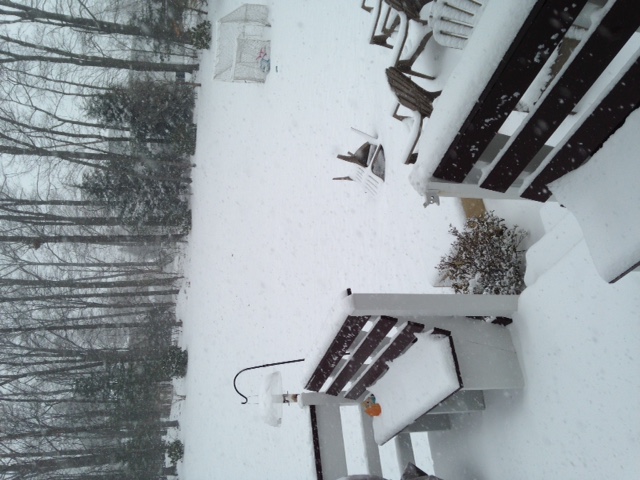 The next two weeks you will be learning all about precipitation. What is it? What are the different forms? How does it change? How do we measure it? What do we notice when we observe it?
This will be a fun, active Earth and Space Science unit where you can move at your own pace. You can choose to work alone or work in small groups of 4 or less students. Do all the research you can. Complete the "must do's" and any extra research you do will be bonus points toward your individual and classwide rewards.
Task
Your requirements are:
Complete the 4 steps in the WebQuest.
1. Define a minimum of 4 different forms of precipition in your own words.
2. Name at least 2 places where 2 different forms of precipitation occur often. You can also add why it occurs in these locations if you found that out in your research. Either write a 1 to 2 page report on these locations, do a PowerPoint presentation, create a poster, or show a map of the U.S. explaining which type of precipitation occurs in these locations.
3. Name 1 way we measure precipitation. Demonstrate knowledge by building a model, draw information on a poster board, or find or create a YouTube video on the method.
4. Take quiz on precipitation
Process
What is preciptation? Click on the websites below to find out more information on preciptation. The first four steps below are "must do's"!!!
1. http://water.usgs.gov/edu/watercycle-kids-beg.html
Be sure to move your cursor over the words to find out more information on the water cycle.
2. http://www.kidsgeo.com/geography-for-kids/0114-precipitation-types.php
Read about the four most common forms of precipitation. Be sure to click the forward button until you read about all four. Take notes if you need to.
Type in the following vocabulary words to learn the definitions. Take notes if needed!
*ESL students, you can click on the definition in English or Spanish
Precipitation
Snow
Rain
Drizzle
Freezing Rain
Hail
Sleet
Fog
Meteorologist
4. https://www.youtube.com/watch?v=fyhEiazvHLw
Check out this YouTube video on meterologists and how they forecast weather and what instruments they use to measure the weather.
5. http://www.weatherwizkids.com/weather-winter-storms.htm
Different forms of precipitation definitions and how to measure them
6. https://www.youtube.com/watch?v=QOzdcM-YZ2U
Videos of homemade rain gauges
Evaluation
Quiz on precipition.
(I couldn't tell how to put this on-line. I figured I couldn't do it since this is a free WebQuest. If I paid for it, I probably could upload it). Regular classroom teacher has quiz available on the iPads. I will have Josh log into the iPad to take the quiz.
Conclusion
Great job!!! You have now completed your second WebQuest and learned all about precipitation. Please answer the following questions.
What was your favorite part about this assignment?
What was your least favorite part?
Which precipitation measurement tool was your favorite?
Credits
References
Forms of Precipitation [Video file]. (n.d.). Retrieved from https://www.youtube.com/watch?v=9knozomoMUU
Make your own rain gauge [Video file]. (n.d.). Retrieved from https://www.youtube.com/watch?v=QOzdcM-YZ2U
McDuffie Jr., T. E. (2000). How big are rain- drops? The Science Teacher, 67(2), 46-50.
Merriam-Webster's Word Central. (n.d.). Retrieved from http://www.wordcentral.com
Types of Precipitation - Geography For Kids - By KidsGeo.com. (n.d.). Retrieved from http://www.kidsgeo.com/geography-for-kids/0114-precipitation-types.php
The Water Cycle for Schools. (n.d.). Retrieved from http://water.usgs.gov/edu/watercycle-kids-beg.html
Weather Smart Forecasting and Weather Instruments [Video file]. (n.d.). Retrieved from https://www.youtube.com/watch?v=fyhEiazvHLw
Weather Wiz Kids weather information for kids. (n.d.). Retrieved from http://www.weatherwizkids.com/weather-winter-storms.htm