Introduction
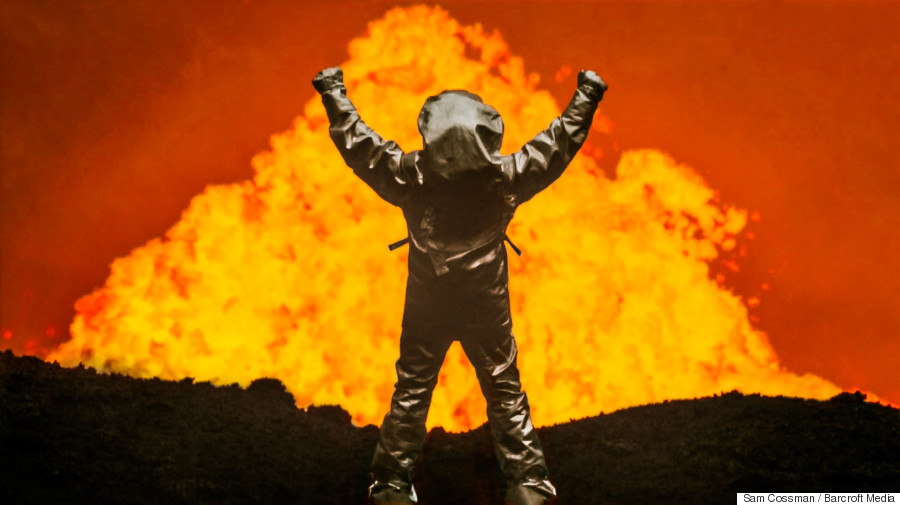
Welcome to the land of Volcanos!Prepare yourself for a wild ride!! Today you are an explorer who will learn all about the life of a volcano!********Warning: things may get hot 
Task
Are you ready to be a volcano expert?
Today we will learn all about all the different types of Volcanos!

This will be a webquest adventure where you will discover all the different types of volcanos and how they work along with tons of cool and fun facts!
At the end of this webquest, we will test your volcano skills with a quiz! Now Before we move forward, please take the time to review all pre-assigned tasks and test your knowledge before moving forward.
Tasks
Can you answer the following questions?
- What is a volcano and how do they form?
- What types of volcanoes are there?
- Explain the difference between lava and magma? in your own words describe what cause a volcano to erupt.
- Explain how geologist can predict future eruptions.
- Describe the ring of fire and its origins.
- The student will need to demostrate their knowledge by naming 5 active volcanos and then describe the type,shape, body composition and location.
- Understand the difference in volcanic eruptions for the 5 active volcanos choosen.
Process
Welcome to the Land of Volcanos!!
Have you ever wondered to yourself what a volcano was? What about how they were made and where they come from? In The Land of Volcanoes, it is our mission to break that information down to share the different stages of volcanic formation, their shapes and sizes, how volcanoes look inside and out, and much more!
Use the link below to answer the following questions!:
https://www.youtube.com/watch?v=BAR3P3Fshok
http://www.weatherwizkids.com/weather-volcano.htm
Answer the following questions:
1. Describe in your own words what a volcano is.
2. How are volcanos formed?
3. What is a composite volcano?
4. Define a sheild and cinder cone volcano?
5. What is the difference between a composite and a sheild volcano?
6.Explain in your own words what plate techtonics are.
7. Define what pyroclastic means
8. What is the ring of fire
9. What does dormant mean?
10. What is a geyser?
11. Define what pumice is?
12. What does active and extinct mean?
13. How do you plan for a volcano?
14. What is a lahar?
15. What is a tsunami?
16. Define magma?
17. Describe the difference between lava and magma.
18. What do you do during a volcano?
19. Describe the stages of a volcano?
20. What should you do after a volcano?
Label the volcano diagram:

Evaluation
Lets grade your volcano skills!!!

The twenty questions are worth a total of 100 points and each question is five points each.
***The criteria for these questions is to be answered correctly, thoroughly and in complete sentences.
You can find all the answers in the links provided in the process section.
The volcano diagram is worth a total of 70 points and each blank is worth ten points
Conclusion
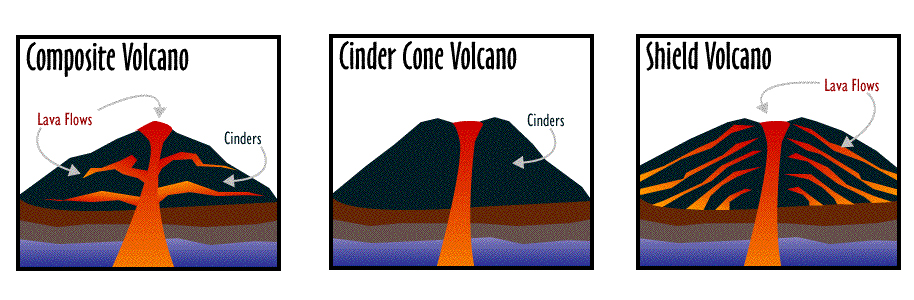
Now, to review, let us remember the 3 different types of volcanoes
- Composite Volcanoes
- Cinder-Cone Volcanoes
- Shield Volcanoes
Let us also recall some characteristics about the 3 different types of volcanoes
- Composite Volcanoes:
Form a conical shape
Consist of layers of solid lava
Consist of layers of other rock
- Cinder-Cone Volcanoes:
Contain no horizontal layers
Contain a steep conical hill of volcanic debris
Accumulate volcanic debris downwind from the vent
- Shield Volcanoes:
Consist of fluid lava vents
Present a massive and imposing size
Look like the shield of a warrior when viewed from above
Now, let us get a little deeper into what we can conclude about volcanoes
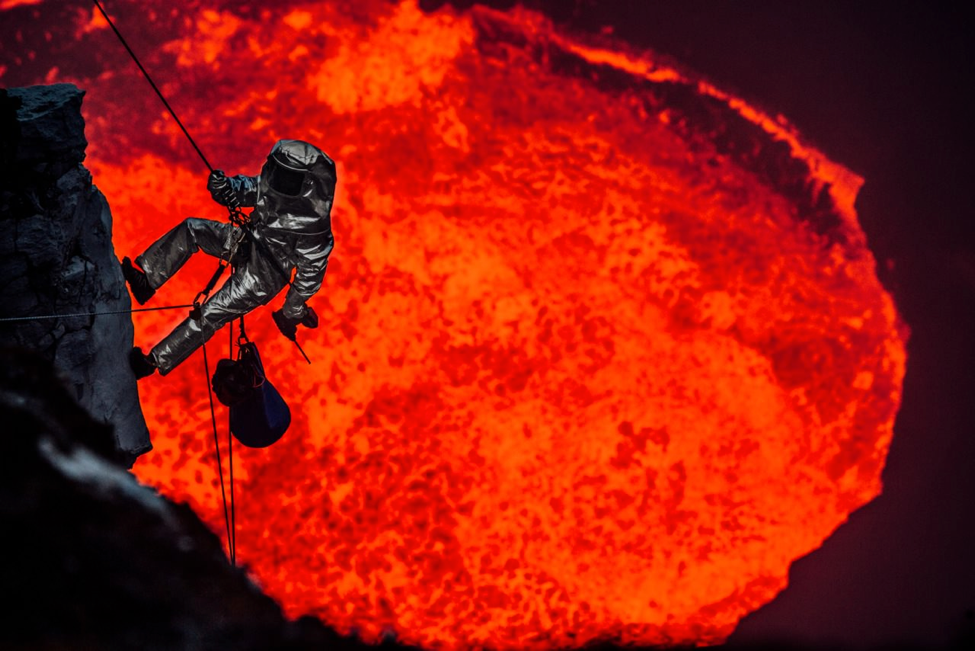
Let us see how much you have learned. Can you answer these questions?(answers at the bottom).
Where in the volcano is the Magma Chamber?
What is the second most layer made of?
What is the central vent?
Where is the base of the volcano?
How are sills formed?
When are dikes formed?
Almost there! _5.jpeg)
What is a flank?
Where is the throat?
How is the parasitic cone formed?
Where is the vent?
How are volcanic craters formed?
What is an ash cloud?
One last thing!
_1.jpeg)
Answers in order from top to bottom: The center. Bedrock. A weak spot in the earth's crust where magma pushes through. The bottom. Pools of lava form and the crystalize. During the sill process. Side of the volcano. Uppermost section in the vent of the volcano. Eruptions out of the flank. Outer part of the volcano throat. By volcanic activity. Lava and gases that are released into the air.
You have reached the land of volcanoes' end!... Success!