
Introduction
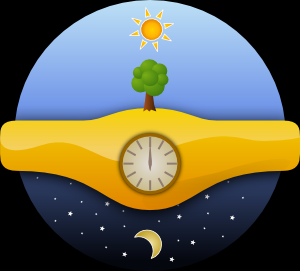
Get, ready, get set! You're about to be an explorer of the universe! When you look up into the sky above, what do you see? With the help of your parents, you will be using the Internet and learning about the day and night sky and the atmosphere around us. Just wait until you find out about all of the exciting things you can find when you learn how to search information on websites! You will be becoming an expert of the sky and be able to talk about it just like a real scientist!
Task
To show what you know about the sky and the atmosphere on Earth, you will create a poster and write and illustrate like a scientist using unit vocabulary words to describe what you would see in the sky during the day and the night.
Process
Get ready to become an expert of the sky!
1. Student will begin by making a KWL (What I Know, What I Want to Know, and What I Learned) chart about what they know about items in the sky. This is for home use only do not send it to school. Use science vocabulary words and draw a picture of each (Day Sky, Night Sky, moon, sky, stars, etc.).
2. With your parent, describe what you see and write key words you learn about the topics of the day sky and night sky.
3. Visit http://theweatherchannelkids.com/ and find the current weather for Boca Raton, Fl. Add the site to the Favorites section of the website. Practice visiting the site by yourself. In the first page of your science research journal, draw a picture of what the daily weather looks like (sunny, rainy, cloudy, foggy, snowy) and write the date.
4. You will go outside during the day and record what you see in the sky.
5. At night, record what you see in the night sky.
6. Make a list of items found in the day and night sky. Discuss and sort natural and manmade items found in the sky. Discuss and sort living and non-living items found in the sky.
7. Think about everything you have learned about the day and night sky. On your final project poster, write at least four sentences describing what new information you would see in the day and the night sky. Create an illustration using crayons, markers, pens, pencils or paint to match your writing.
Remember we are looking for new and intriguing information you learned during your research, not information we already know.
Websites to do research:
http://www.kidsites.com/sites-edu/science.htm
http://ww2.valdosta.edu/~achampton/ebook.html
http://www.beckstromobservatory.com/whats-up-in-tonights-sky-2/
http://afamilydayout.co.uk/night-sky/
Put in keyword sun or moon: https://jr.brainpop.com/science/space/moon/
http://www.bbc.co.uk/bitesize/ks3/science/environment_earth_universe/as…
*Day and Night: http://pbskids.org/jayjay/care.curr.cl.l2.html
*Sun: http://coolcosmos.ipac.caltech.edu/cosmic_kids/AskKids/sun.shtml
*The Phases of the Moon: http://www.teachertube.com/viewVideo.php?video_id=9797
Evaluation
|
|||||||||||||||||||||||||||||||||||||||||||||||||||||||||||||||
|
Conclusion
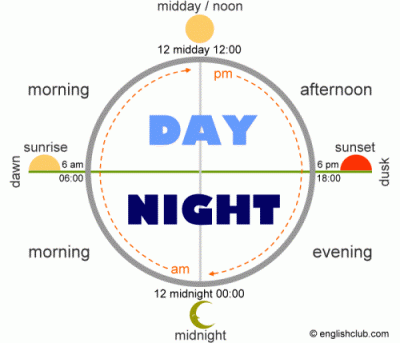
Now that you have explored the science Internet sites and kept a science journal about what you see during the day and night, your poster should show that you are an expert of the night and day sky! With this knowledge, you will be able to tell others what you know about our world and will be able to learn even bigger ideas about our world!