
Introduction
Essential question: How did ancient Greek philosophers shape the way we think today?
If you’ve ever asked yourself questions about the world we live in, you would be considered a philosopher. “Philo-“ means love, and “-sophia” means wisdom, so a philosopher is a lover of wisdom. In this lesson, we will learn about some great philosophers who came from ancient Greece. We will learn how they brought new questions and ideas on how life exists and should be. After learning their philosophies, see if you agree or disagree with them.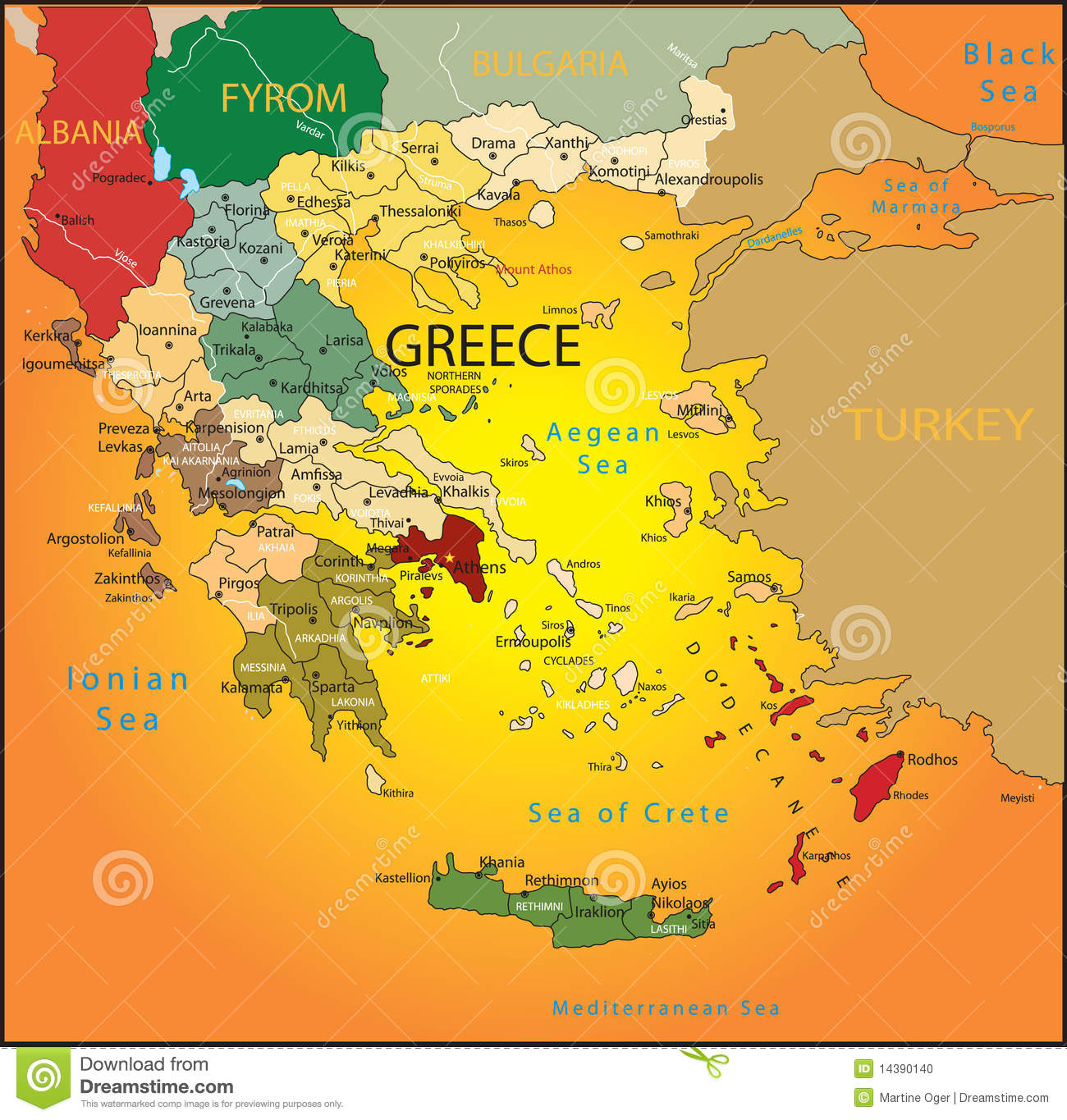
Task
Upon completing 4 days of activities on this webquest, students will have an understanding of what philosophy is and who contributed to how we see things today. On the 5th day, students will complete a quick (summative) exit ticket.
DAY 1
Write the definition for each of the following words AND create a short sentence using each of the vocabulary words.
*Note: When writing your sentence, context clues should help with understanding the vocabulary word.*
http://www.merriam-webster.com/
-moral
-influential
-ethical
-execution
-B.C.
-myth
DAY 2
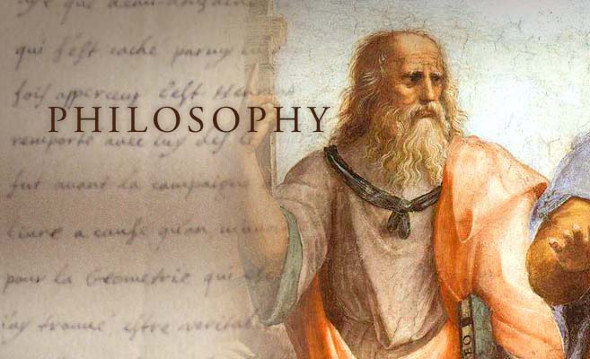
Read "Greek Philosophy" http://www.historyforkids.net/greek-philosophy.html and explain the philosophy of the following:
-Socrates
-Pythagoras
-Thales
-Leucippus and Democritus
-Aristotle
-Plato
 DAY 3
DAY 3
Now that you are familiar with a few of the great philosophers from ancient Greece, partner up with a classmate, and ask one another five "philosophical" questions. They can be questions about the world we live in (nature (math or science) based) or about how humans or other animals think. Partners, try your best to answer their question. Here, you can be as creative as you want, but lets be respectful! Be sure to write down your questions along with your partner's answers in your journal.
***I can't wait to see what my little philosophers come up with!!!!!***
DAY 4
After reading a bit more "Ancient Greece Philosophers",
http://www.ducksters.com/history/ancient_greek_philosophers.php
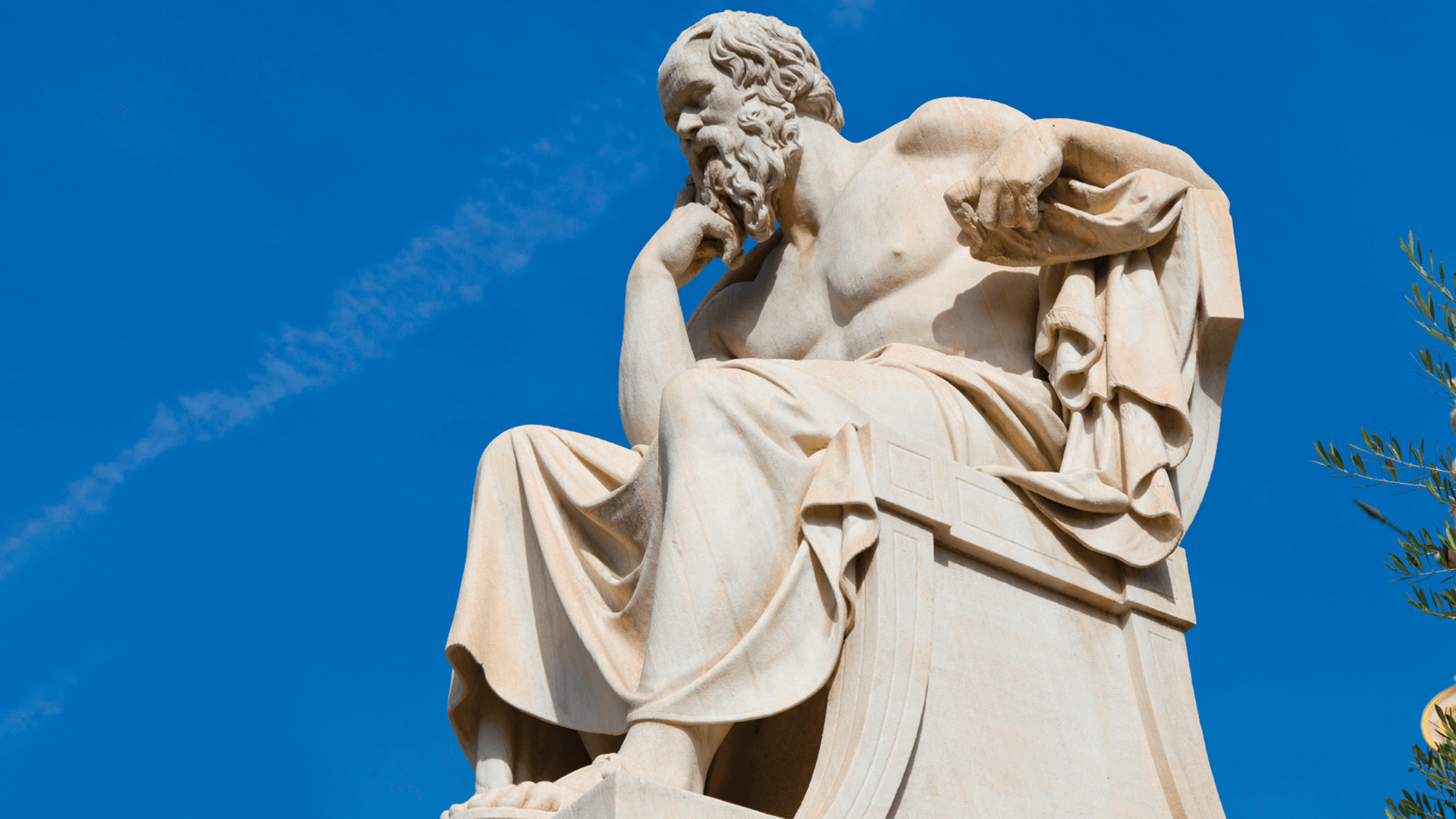
we see that Socrates, Plato and Aristotle had philosophies on being ethical. In your journal, answer the following three questions:
1. How would you define what is "right" and what is "wrong"?
2. Who shaped (influenced) your ideas of what is right or wrong? **Can be more than one person**
3. Do you think someone could be right and wrong at the same time? Explain or give an example.
You can either write your answers in your journal, or draw a cartoon that answers these questions.
Process
Upon completing four days worth of reading and assignments, students will be familiar with different Greek philosophers and their ideals. This falls in line with the standard for Arizona's Department of Education-standard based teaching and learning
Strand 2: World History
Concept 2: Early Civilizations
PO2: Discuss contributions of ancient Greek teachers/philosophers whose thinking con-
tributed to the development of their own and later civilizations
Evaluation
SUMMATIVE ASSESSMENT /30 points
1. Who was a student of Socrates?
- Thales
- Plato
- Leucippus
- Tangelos
2. Who saw the key to all of existence in mathematics?
- Socrates
- Cleofus
- Pythagoras
- Aristotle
3. Philosophy means
- The love of wisdom
- The love of being right
- The love philo dough
- The love of science
4. Socrates was one of the most influential philosophers of ancient Greece.
Influential means…
- Being able to do two things at once
- Having the power to change
- Being able to sleep all day
- Inconsistent
5. Greece is part of which continent?
- Asia
- Africa
- Europe
- North America
6. Socrates died in 399 B.C.
B.C. stand for…
- Before church
- Before calculators
- Before Christ
- Before change
Conclusion
Well, my little philosophers, we now know what philosophy means, and some of those who have made great contributions to the way things were explained in the past and still today. Hopefully, you understand many things should not be taken as truth without asking questions and doing some research if possible. If something is told to you, ask "who, what, when, where, and how" to make sure it is true and not a myth. Asking questions allows for deeper understanding and appreciation. You may grow up to be the next Socrates or Pythagoras of our time!
Credits
Teacher Page
My name is India Jones.
I am in my final semester of receiving my Bachelor's degree at Grand Canyon University for Elementary Education, with a concentration in science.
This is my first WebQuest done completely by me. I do hope you enjoy it, and hope to do many more WebQuests in the future!