Introduction
Welcome!
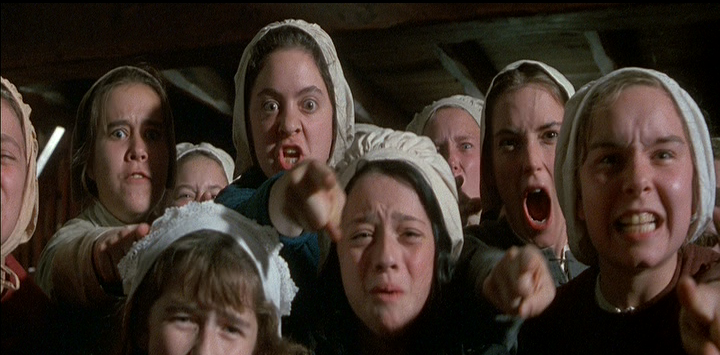
For our next unit, we will be using our Historical Lens vocabulary and questions to analyze The Crucible. The Crucible is a play written by American playwright, Arthur Miller, in 1953. The play itself is set in Salem, Massachusetts in the year of 1692. Witch trials quickly consume the town resulting in rumors, lies, and betrayal!
This WebQuest will help you develop the necessary background knowledge to analyze the play through a Historical Lens.
Task

You and your group will be assigned one of the six topics listed on the "Process" page. Each topic relates to the novel The Crucible and the time period in which it takes place.
You will begin by investigating the websites listed for your topic and using them to answer the questions provided. **I suggest sharing a Google Doc with the questions, so all group members can copy and paste interesting information they find.**
After you have answered all of your questions and organized your information, you and your group members will create a Google Slides presentation on your topic. Your presentation should include the information you gathered, as well as pictures or short video clips that support or demonstrate the ideas.
You will present your findings on your assigned topic to your classmates using the presentation you create.
Process
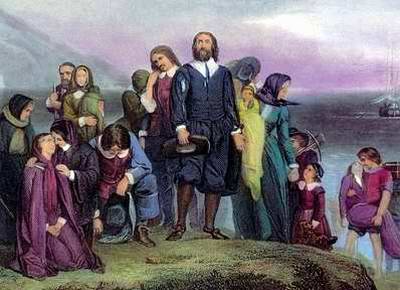
Group One: The Puritans
- Focus Questions:
1. Who were the Puritans?
2. Why did the Puritans come to the new world?
3. List five values of Puritanism.
4. What is predestination?
5. What were some behaviors and duties for children?
6. What were some common occupations?
7. What were the governing and educating systems like?
8. What did their clothing look like?
9. Include three other pieces of information about the Puritans.
10. Describe how you think this information might be important to
the play, The Crucible (predict)
- Suggested Websites:
- Site 1
- Site 2
- Site 3
- Site 4
Group 2: Salem Witch Trials and Notable People/Characters
- Focus Questions:
-
What were some beliefs about witchcraft and witches people held in the past?
-
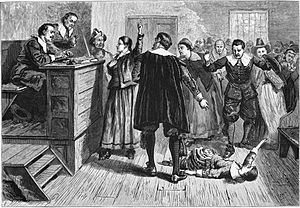
What were the Salem witchcraft trials?
-
What are some possible explanations for the Salem witchcraft trials?
-
What options did an accused witch have in Salem?
-
How quickly did things get out of hand in Salem?
-
How long did the Salem witchcraft trials go on for?
-
What sort of evidence was used to arrest accused witches?
-
Do "witch hunts" still happen?
-
Who were Abigail Williams, John Proctor, Samuel Parris, and Tituba?
Suggested Websites:
- http://www.eyewitnesstohistory.com/salem.htm
- http://salem.lib.virginia.edu/people?group.num=&mbio.num=mb33
- http://law2.umkc.edu/faculty/projects/ftrials/salem/ASAL_CH.HTM
- http://www.cavalierdaily.com/article/2010/11/modern-day-witch-hunts/
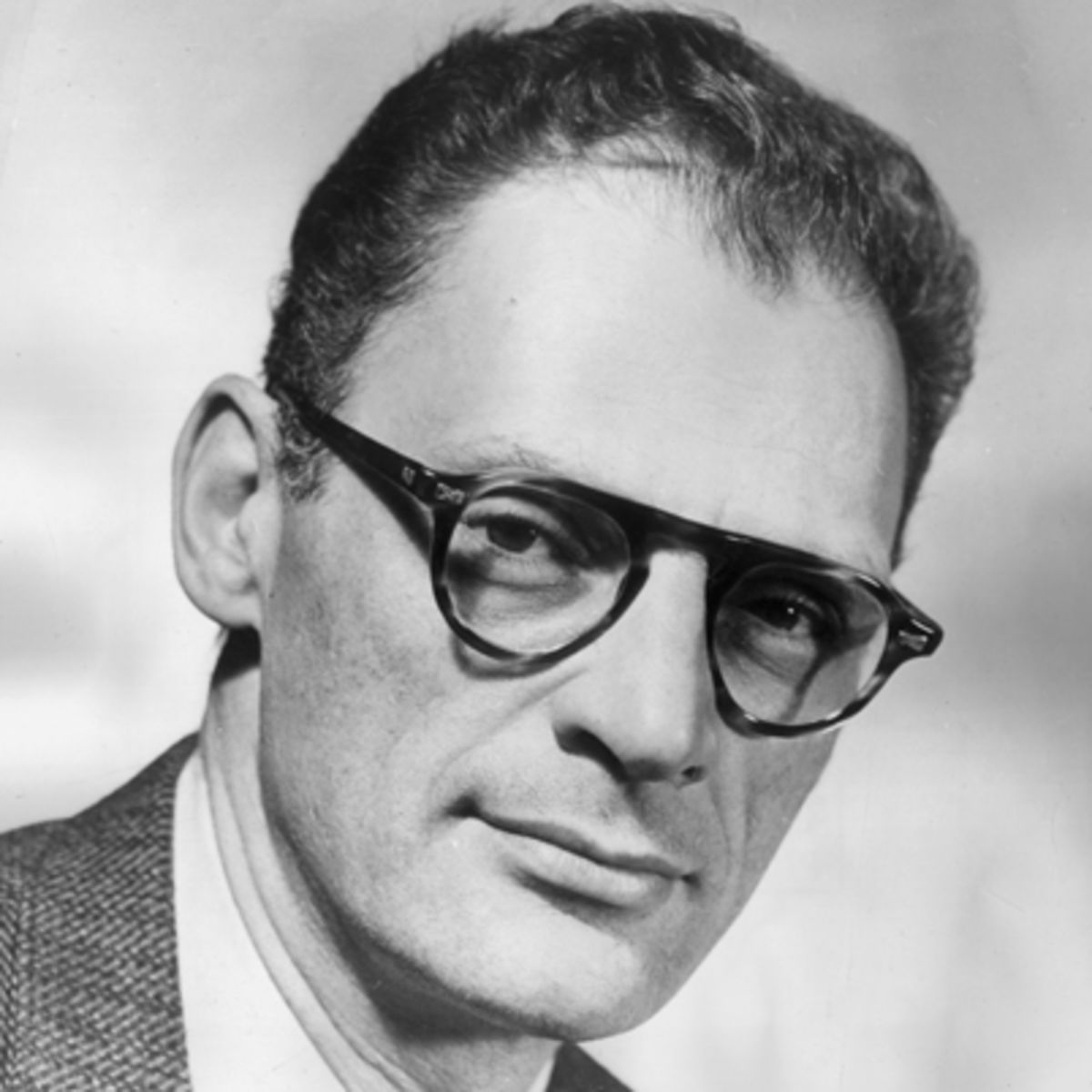
Group 3: Arthur Miller
- Focus Questions:
1. Where and when was Arthur Miller born?
2. What award did The Crucible win?
3. Name the famous actress to whom he was married.
4. Most of Miller’s work can be described as didactic. Define didactic and explain how you think this relates to Miller’s life and works.
5. Describe some key events in Miller’s life.
6. What were some other works written by Miller?
7. What were Miller’s political beliefs (include his communist connections)?
8. Include other pertinent information about Arthur Miller
Suggested Sites:
- http://www.ibiblio.org/miller/life.html
- http://www.neh.gov/about/awards/jefferson-lecture/arthur-miller-biography
- http://www.pbs.org/wnet/americanmasters/arthur-miller-none-without-sin/56/
- Focus Questions:
1. Define the meaning of Covenant and describe its role in religious context.
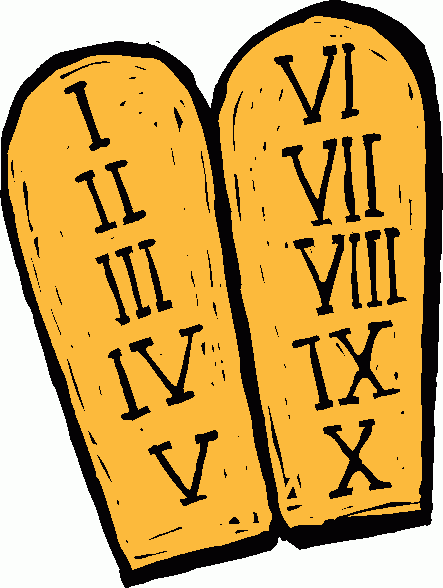
2. What are the Ten Commandments? Describe in detail.
3. What is the Ten Commandments role in various world religions (Jewish, Christian, Muslim, Buddhism…)
4. What is meant by the Sabbath Day? Give interpretations from various world religions.
5. Describe how the Puritans religion differed from The Catholics and The Church of England. How might their beliefs have a bearing on the events that occur in The Crucible?
Suggested Sites:
- http://ldolphin.org/Covn.html- https://en.wikipedia.org/wiki/Ten_Commandments- https://en.wikipedia.org/wiki/Sabbath- http://www3.gettysburg.edu/~tshannon/hist106web/site15/bobs/puritanbeliefpage11.htm
Group 5: McCarthyism & 1950s Cultural Norms
- Focus Questions:
1. Short definition of Communism. Describe America’s attitude toward communists and communism during the late 40’s and early 50’s.
2. Who was the President of the United States during this time?
3. What is containment? The domino theory?
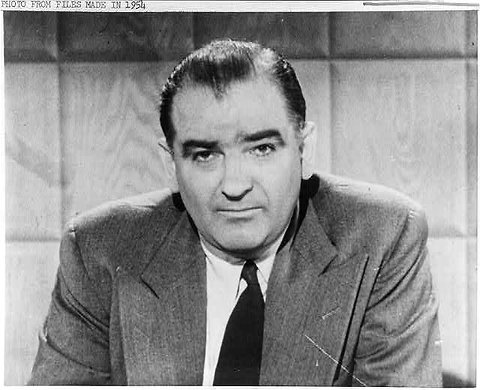
4. Who is Joseph McCarthy? Provide a short biography.
5. What speech did he make, and how did it kick off the Red Scare?
6. What is HUAC? Describe its mission under McCarthy.
7. Who were the Hollywood Ten, and what happened to them?
8. When such people as Larry Parker and Roy Huggins “named names,” what happened to the people they named? If you were “named” and refused to talk, what happened?
9. List some people who couldn’t work and explain why.
10. Who were McCarthy’s “helpers” on HUAC? What was their role?
11. Ultimately, what was McCarthy’s fate? Explain fully. When and how did he go too far?
12. What was the HUAC renamed in 1969? What is its status today?
13. Prediction: What bearing do you think all of this might have on the play we are about to read?
Suggested Sites:
- http://www.coldwar.org/articles/50s/senatorjosephmccarthy.asp- http://www.bookrags.com/research/mccarthyism-aaw-04/#gsc.tab=0
- http://history.howstuffworks.com/historical-figures/mccarthyism.htm- http://countrystudies.us/united-states/history-117.htm
Group 6: Mob Menality

- Focus Questions:
1. Define "mob mentality."2. What are some of the dangers of mob mentality?3. What draws people to join a group of people and engage in "mob mentality?"4. Give some examples of mob mentality - either historical examples or examples from our own time period.5. How do you predict we might see mob mentality in our play?
- Suggested Sites:
- http://source.southuniversity.edu/examining-the-mob-mentality-31395.aspx- https://en.wikipedia.org/wiki/Herd_mentality
Evaluation
Grading Breakdown
Your presentation will be graded as follows...
Content of Presentation
- Accuracy (Was the information presented correct?)
- Thoroughness (Did the group members answer all of the questions?)
- Relation to Topic (Was all of the information presented relevant?)
Organization of Presentation
- Was the information set up in a way that was easy to follow?
- Did the order of the slides make sense?
- Did the presentation include a TITLE slide?
Appeal of Presentation
- Did the presentation include visuals that enhance the meaning?
- Was the text large enough to read?
- Were the slides too wordy?
Oral Presentation Skills
- Did all of the group members speak in the presentation?
- Did group members read directly off of slides or make eye contact with their readers?
- Did group members face their audience and project their voices?

Conclusion

Hopefully you can't wait to read The Crucible!