
Introduction
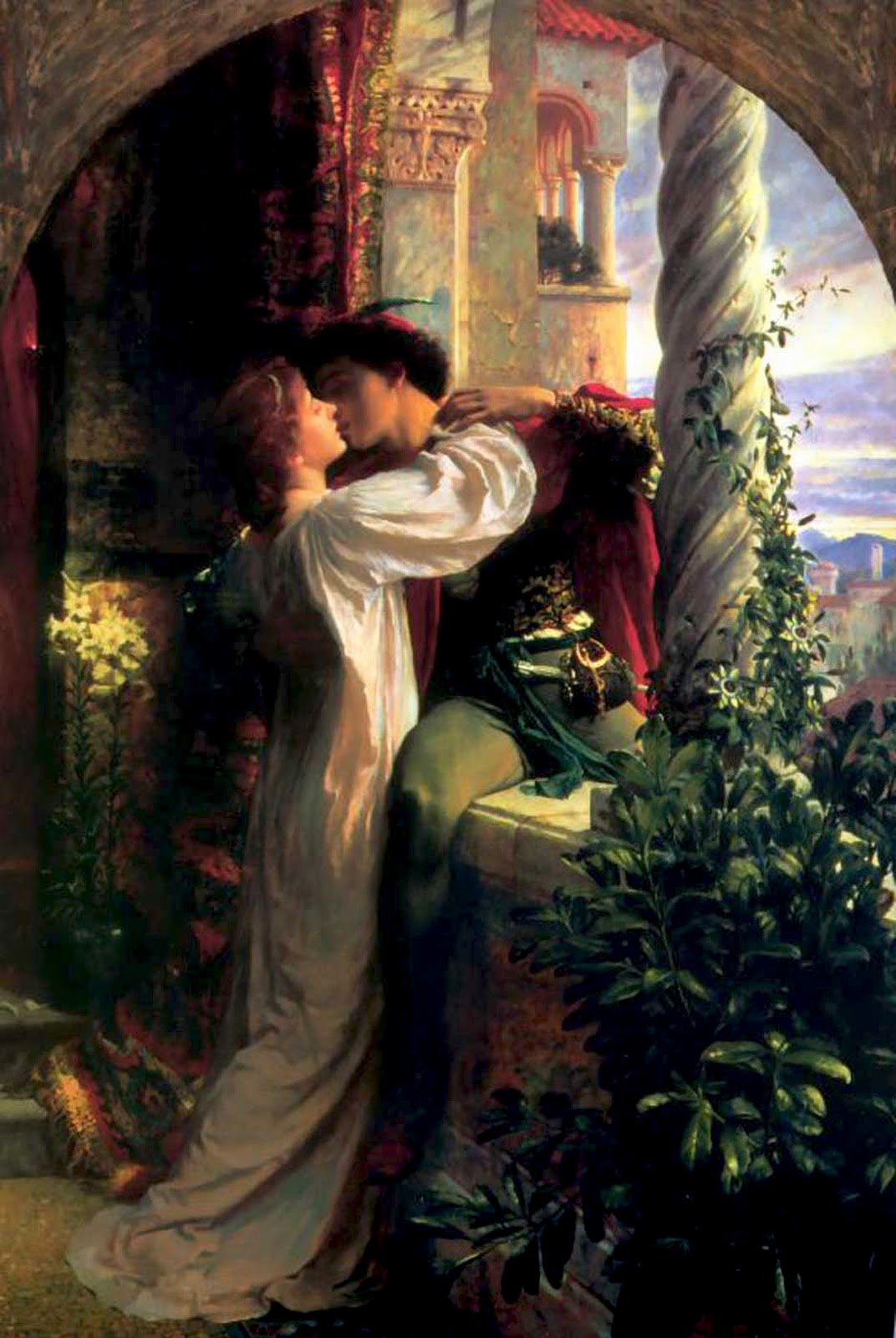
"For never was a story of more woe
Than this of Juliet and her Romeo."
- William Shakespeare, Romeo and Juliet, 5.3
In this Webquest, you will gather knowledge on Shakespeare, the Elizabethan Theatre, and information that pertains to Romeo and Juliet. You will also learn about the cast of characters in the play. You’ll listen to a song which is in the LSF show too.
Click on Task
Task
Read the instructions!
Your task is to answer all the questions using the links provided for each steps in the Webquest.
Work with a partner to complete the assignment. You will write your answers down on the worksheet. Be sure you answer all parts of the question and you do all the activities. You do not have to write complete sentences unless to answer well it is obvious you should.
You'll work by yourself in the last step of the webquest (Step 5).
Be sure that you have written your name and the name of your partner at the top of your paper before turning it in.
Good luck!
Click on Process
Process
If you do not understand any of the words in English, you can click on the link called Wordreference, which will take you to a language translating site.
STEP 1: ‘About Shakespeare’ : click on the link below
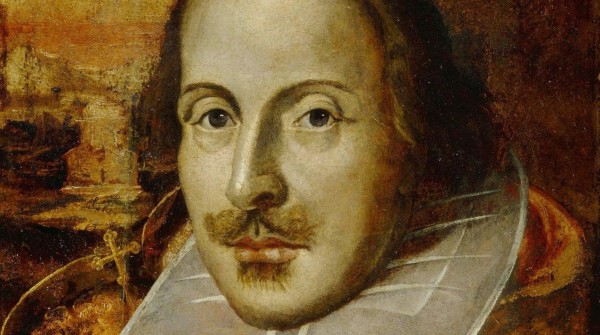
https://littrip.wikispaces.com/The+Timeline+of+The+Bard
Click on the first photo on the page. Read the article and complete the questions. After you are finished, click on “Go back to the timeline” to return to the timeline page and click on the next photo.
Answer the following questions (1- 12)

1. William Shakespeare was born in what year?
2. What date do we recognize as his birthday?
3. What did William’s father sell?
Click on Shakespeare’s School
4. What’s the name of the school he attended?
5. What time did he start and finish lessons?
 Back to the timeline: Wedding/1582
6. Who did William marry? How old were they?
7. Why was the marriage rushed?
Click on 1585-1592 The lost years

10 Why did Shakespeare have to leave Stratford?
What is the most commonly told story?
Click on 1616
11. What day and year did Shakespeare die? Why is this an interesting date?
12. How old was Shakespeare when he died?
STEP 2: “About Theatre in Shakespeare’s Time” 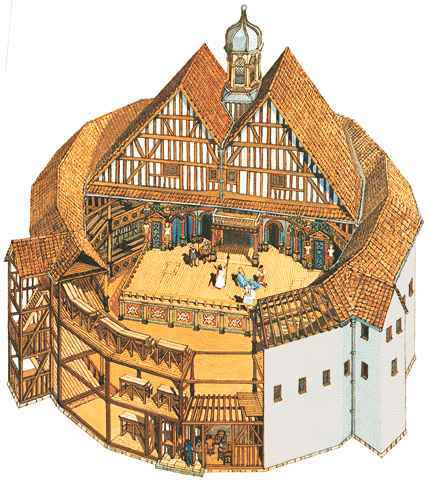
Click on the link below and watch the video.
https://www.youtube.com/watch?v=P0SBg-KG4C4
Read the sentences and write the correct information on your answer sheet.
1 The name of Shakespeare’s theatre.
2 The name of Shakespeare’s company.
3 How much the groundlings paid to see a perofrmance
4 What people bought and ate during the performance.
5 The place where the theatre was located.
6 The shape of the theatre.
7 The reason why the groundlings got wet.
8 The numbers of the actors on the stage at the same time.
9 The place where the actors changed their costumes.
10 The meaning of the flag at the top of the roof.
11 What is missing in the Elizabethan theatre.
STEP 3: Click on the link below to discover "Who's Who in Romeo and Juliet"
http://www.bbc.co.uk/education/guides/z3mtpv4/revision
Task 1: Read about the tragic love story written by Shakespeare.
Task 2: Take the test and write your score on your answer sheet.
STEP 4: During the LSF show you’ll listen to some songs.
Task 1: Listen to ‘Marry You’ by Bruno Mars: watch the video and do the exercises.
https://www.youtube.com/watch?v=_uLDneG8XJg
EXERCISE 1: Listen to the song and fill in the blanks with the word you hear.
It’s a b________________ night,
We’re looking for s_________ dumb to do.
Hey baby,
I think I wanna m________ you.
Is it the look in your e_______,
Or is it this dancing j___________?
W______ cares baby,
I t_______ I wanna marry you
(chorus)
EXERCISE 2: Choose the suitable word from the table. There is one extra word.
|
pocket / chapel / work / blow / girl / come |
Well I know this little ________ on the boulevard we can go,
No one will know,
__________ on girl.
Who cares if we’re trashed got a ________ full of cash we can _____________,
Shots of patron,
And it’s on __________.
EXERCISE 3: Number the lines in the correct order.
___And we’ll go, go, go, go, go
____If you’re ready like I’m ready
____Don’t say no, no, no, no, no
____Just say yeah, yeah, yeah, yeah, yeah
EXERCISE 4: Correct the mistake.
I’ll go get a ring let the choir girls sing like oooh, ________________
So whatcha wanna do? ___________________
Let’s just go girl. _______________________
If we wake up and you wanna break up that’s good _________________________
No, I won’t blame you;
It was done girl. ___________________
EXERCISE 5: Choose the word you hear from three given.
Just say I can /do / did
Give /Tell / Sing me right now baby 3x
STEP 5: Create your own mind map & oral presentation
Use mind maple or mindomo if you are already registered to create your mind map.
Make an oral presentation using your mind map.
Evaluation
Evaluation Rubric
Each student will be assessed acoording to his/her partner's work except for the Step 5 (Mind map & oral presentation).
| Step 1 | Score 12 | 1 point for each correct answer |
| Step 2 | Score 11 | 1 point for each correct answer |
| Step 3 | Score 10 | 1 point for each correct answer |
| Step 4 |
Ex 1: score 3,5 Ex 2: score 2 Ex 3: score 2 Ex 4: score 2,5 Ex 5: score 1 |
0,5 point for each correct answer |
| Step 5 |
4
|
3 | 2 | 1 |
| Mind map |
Great care was taken to create the map and it is easy to read and understand. |
Map was easy to read and understand. |
Map was somewhat difficult to read and understand. |
Map is difficult to read and understand. |
| Oral presentation | Spoke clearly and distinctly for all the time. | Spoke quite clearly for most of the time. | Was asked to speak up more than once. | Often mumbles or can not be understood. |