
Introduction
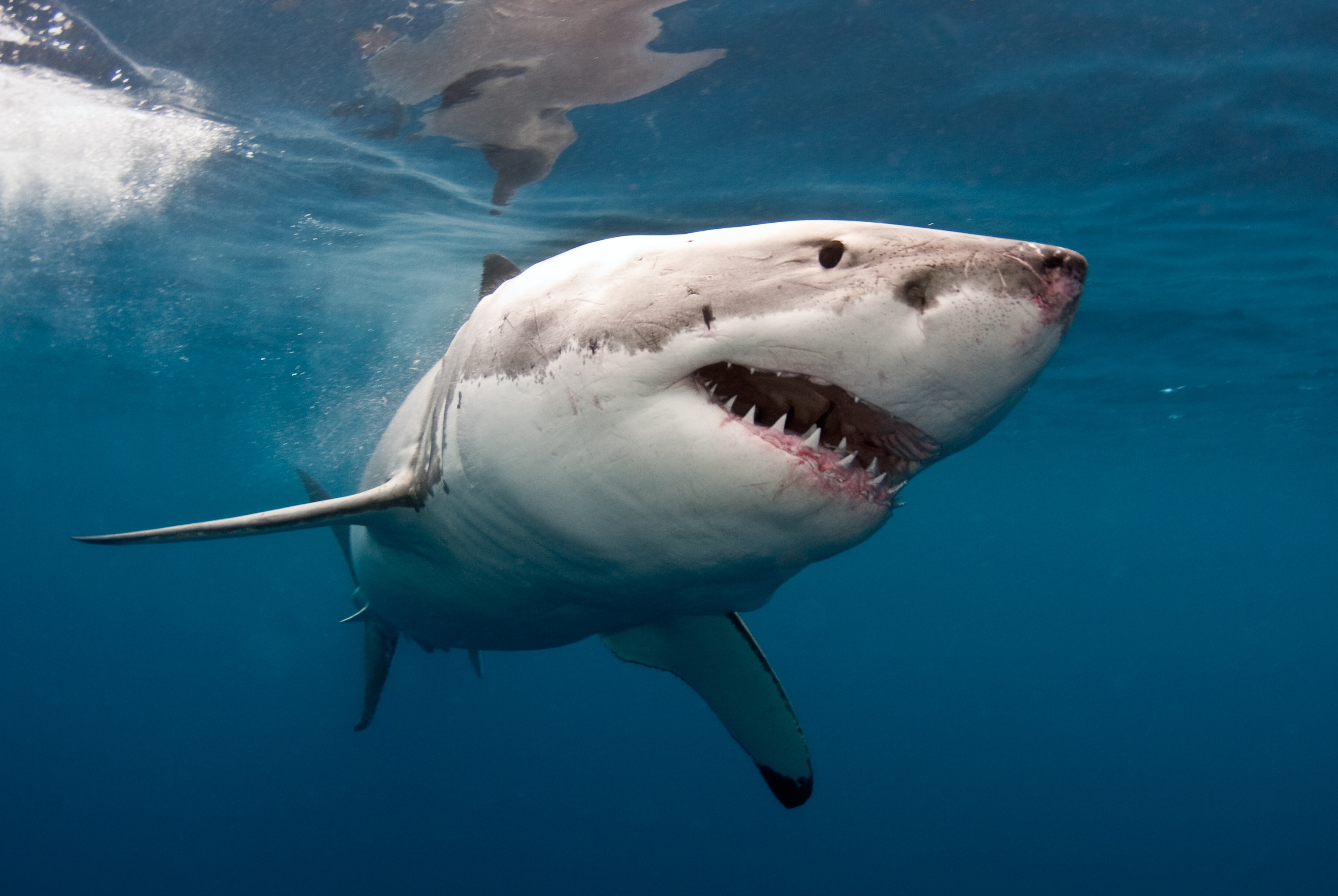
We have been talking about animal adaptations the past couple of weeks in our unit of inquiry. Today you are going to focus on the physical and behavioral adaptations of Great White Sharks. We will be able to connect what we have been studying about adaptations and how they help animals to survive, to what we watch and read in some of the videos and articles.
Imagine you are a powerful Great White Shark! You are swimming alone in the ocean, thinking about your next meal. Suddenly you sense your prey, a brown fur seal, pretty far away from you. What physical adaptations do you have as a Great White Shark that help you to sense your prey from so far away? How will you use those adaptations to hunt that seal for your next meal? How will you use your physical adaptations to survive on a daily basis?
Now imagine that you have successfully hunted down the brown fur seal for dinner. It is great that you were able to track it down, but now what should you do? What behavioral adaptation(s) and hunting techniques do you have that will help you catch your prey and put food in your belly? How will you use those adaptations to catch your seal? How will you use your behavioral adaptations to survive?
Your learning goal is to become the experts on Great White Sharks. You will be able to identify and describe at least six specific physical adaptations of the Great White Shark. You will also be able to describe a couple of behavioral adaptations, including their hunting strategy which serves as a critical behavioral adaptation. Finally, you will be able to describe the habitat and food chain of a Great White Shark.
Task
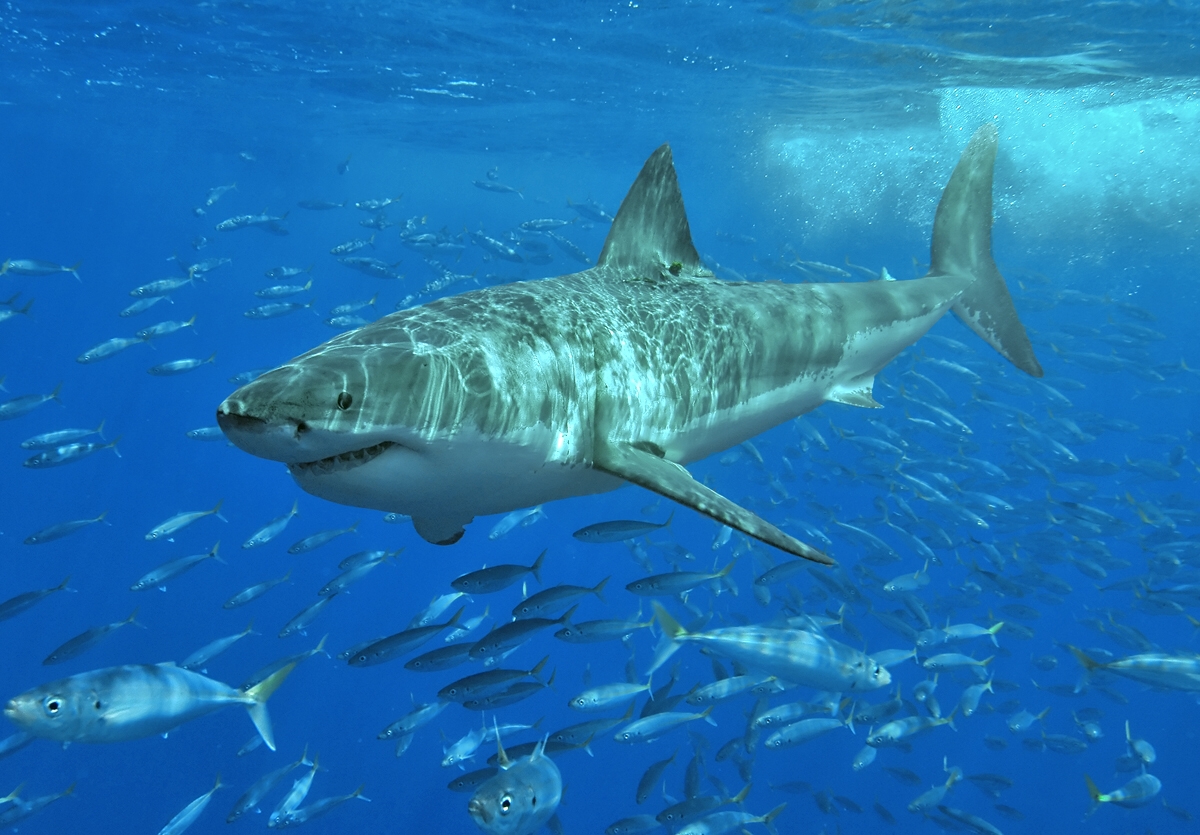
You will each become Great White Sharks! You will explore the habitat, food chain, physical and behavioral adaptations that go along with being a Great White Shark. You will use web links that have been provided to learn all you can.
-As a class, watch a video about how sharks breach.
-Use a set of tangrams in order to begin the 'Great White Shark Tangram Diagram'.
-Read the article 'Great White Sharks' by Erin Ryan with a partner.
-Complete the tangram diagram and answer the first three questions on the 'Great White Shark Adaptations' individually.
-Read the article 'The Great White Shark' with a partner.
-Complete the 'Great White Shark Adaptations' worksheet.
-Using your worksheet and the articles, we will work together to complete the 'Note-Taking/Research Grid'.
Educational Extension Activity: Once you have become an expert on Great White Sharks, you will choose any other type of shark or the Killer Whale to research. You will use a Note-Taking/Research Gride and a Venn Diagram to compare and contrast your new animal with the Great White Shark.
Process
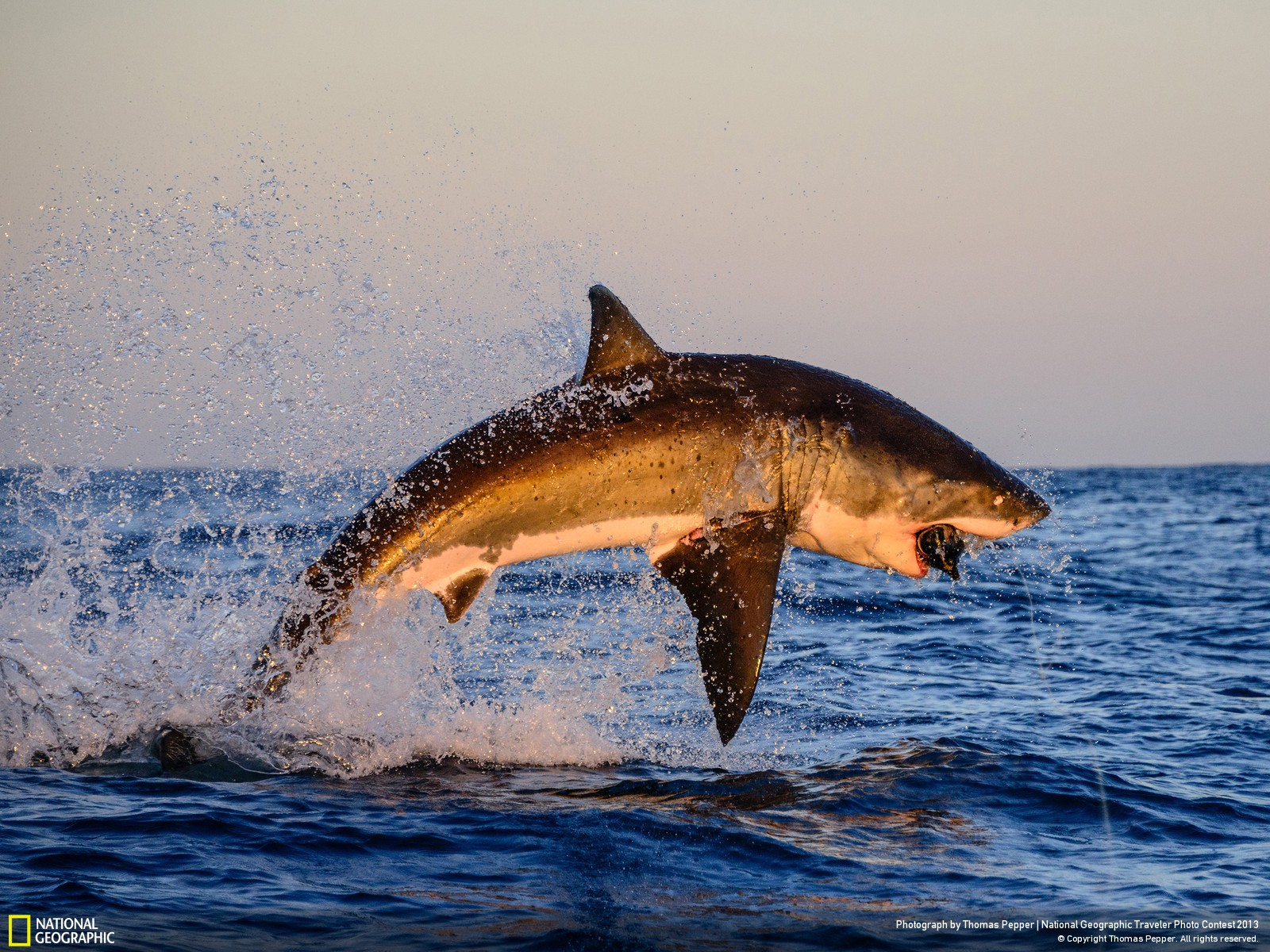
Step 1: As a class we will watch a video called 'How Do Sharks Breach?'
Link to video: https://www.youtube.com/watch?v=qv5eFbSc5bw
Step 2: I will give each of you an article titled "Great White Sharks" by Erin Ryan. I will then put you in partners. You and your partner will read the article together, underlining information that will help you determine the food chain, habitat, and/or adaptations of a Great White Shark.
Step 3: After reading the article together, return to your seats and I will give each of you a two-part worksheet and a set of tangrams. You will use the tangrams to build a shark!
Step 4: Once you have built your shark, you will trace, color, and label it. This will be your own personal shark diagram. On this diagram, you should label at least six physical adaptations including: dorsal fin, pectoral fins, nose, gills, eyes, and teeth.
Step 5: After you have completed your diagram, turn your worksheet over to the back and answer the first three questions about physical adaptations and how they help sharks to survive.
Step 6: I will then pass out copies of a National Geographic magazine with an article titled 'The Great White Shark'. I will partner you up with someone new and you will read the article together.
Step 7: While you are reading the article, think back on the video we watched and collaborate with your partner to answer the final question on your worksheet about how and why sharks breach.
Step 8: We will come back together as a class and I will give each of you a Note-Taking/Research Grid sheet that we will fill out together.
Please use these other resources to help you discover yourself as a Great White Shark! Keep in mind to use CANVAS as a resource for articles and videos! Happy hunting!
https://www.youtube.com/watch?v=F69uqDIhr60
https://www.brainpop.com/science/earthsystem/sharkattacks/
http://a-z-animals.com/animals/great-white-shark/
http://www.ducksters.com/animals/greatwhiteshark.php
http://www.animalfactguide.com/animal-facts/great-white-shark/
Evaluation
|
|
3 Good Work! |
2 Could Do Better |
1 Need to Improve |
|
Shark Tangram Diagram |
You successfully built a Great White Shark using tangrams and traced it. You colored it appropriately and labeled 5-6 physical adaptations. |
You built a Great White Shark using tangrams and traced it. You colored partly correct and labeled 3-4 physical adaptations. |
You did not build a Great White Shark using tangrams. You did not color it appropriately. You labeled 1-2 physical adaptations. |
|
Adaptations |
You listed 3 physical adaptations and explained how each one helps the shark to survive. |
You listed 2-3 physical adaptations and briefly explained how they help the shark to survive. |
You listed 1-3 physical adaptations but did not provide any explanation as to how they help the shark to survive. |
|
Breaching |
You thoroughly explained how and why sharks breach. |
You briefly explained how and why sharks breach. |
You did not explain how or why sharks breach. |
Great White Shark Tangram Diagram and Adaptations
Conclusion
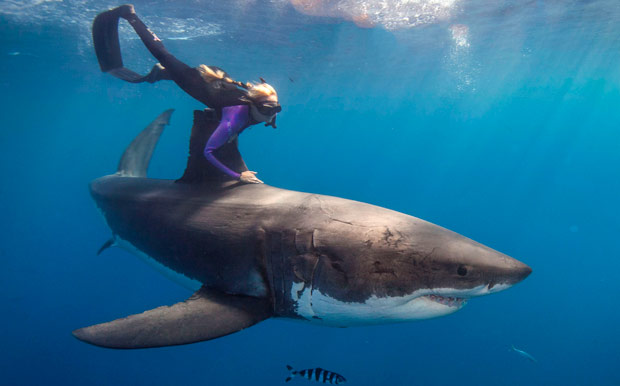
Great job!! You have become an expert on Great White Sharks. These creatures are magnificent, powerful and mysterious! Through your research you have explored the habitat of these sharks as well as what they eat and how that plays a role in the food chain. You have discovered many physical adaptations they have and how those traits help them to survive and thrive! You have also learned of a few behavioral adaptations and researched why the shark has these habits. Unfortunately, humans have a very limited knowledge of Great White Sharks. I am challenging you to make it your mission to continue learning all that you can about Great White Sharks so that maybe one day they will not just be the mysterious creatures of the deep!
Credits
A big thank you to:
-YouTube
-BrainPOP
-a-z animals
-Ducksters
-Animal Fact Guide
-National Geographic
-Discovery News
-Shark Sider
Teacher Page
[img_assist|nid=30200|title=|desc=|link=none|align=center|width=461|height=242]
Welcome!! This WebQuest is all about Great White Sharks. It allows students to do their own research and get hands-on learning. The WebQuest gives a very specific process to go by and resources available to enhance student learning. This entire lesson took my students right at one hour. I hope your students enjoy getting to build a shark and watch cool videos as much as mine did!
Standards:
GLE 3.1.A
Science GLE Strand 3: Characteristics and Interactions of Living Organisms