
Introduction
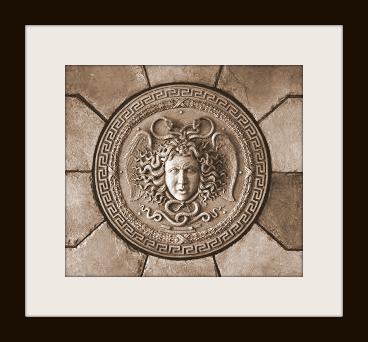
The Greeks created several myths in order to pass messages to people, also in order to preserve the historical memory of its people. Three thousand years ago, there were no scientific explanations for many of the phenomena of nature or historical events.
Therefore, to find a meaning to political events, economic and social, the Greeks created a series of stories, imaginative origin, which were transmitted primarily through oral literature. Most of these legends and myths come to the present day and are important sources of information for understanding the history of the civilization of ancient Greece. Watch the video below to get started with the greek gods.
http://www.history.com/topics/ancient-history/greek-mythology/videos/greek-gods
Task
UNDERSTANDING THE GREEK MYTHOLOGY
The oldest Greeks sighted life in almost everything around them, and sought explanations for everything. The imagination of this people created characters and mythological figures from various. Heroes, gods, nymphs, centaurs titans and inhabited the material world, influencing their lives. Enough to read the signs of nature, in order to accomplish their goals. The Greeks consulted their oracles on to know about the things that were happening and also about the future.
Your task is to examine websites that have Greek gods/goddesses. Pick one to examine in detail starting with identifying what they are aligned with. Ex: Hades is the God of the Dead
Find something that interests you about them and write that in your powerpoint as well. Look for references about the mythological characters, where they came from, what is their history? Can you point to some other story in which the same character appear? What role did stories about your gods or goddesses play in ancient Greece? Do you think there is anything comparable for people today living in the United States?
***Under the Teacher Page you will find a link to our classroom blog. Please respond to questions on the blog as you go. Everyone is required to participate on the blog. Help each other if there are questions or if you need guidance on something. I will add new questions twice a week. Happy Blogging....
Fun Websites to visit before your assignment
http://teacher.scholastic.com/activities/athens_games/gameGreekToMe.htm
First round score
Second round score
http://thewalters.org/exhibitions/heroes/quiz/
Which mythological figure are you?
http://www.mythweb.com/heroes/heroes.html
Greek Gods:
http://www.greekmythology.com/
Process
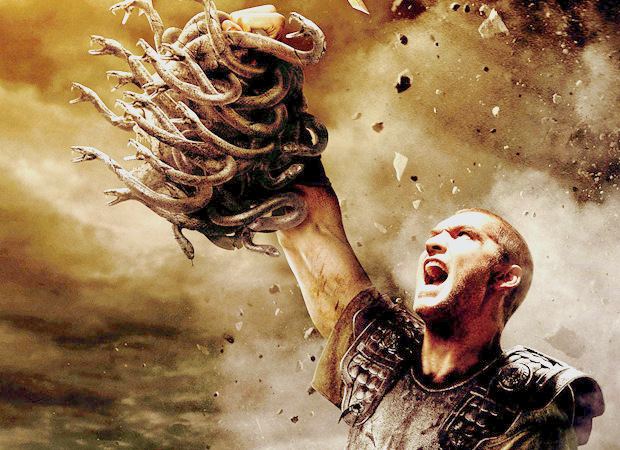
Here are also a few links to movie trailers you can watch before you start your powerpoint presentation. There are many more you can watch just clear it with me first and make sure that it is associated with Greek Mythology.
Percy Jackson & The Olympians: The Lighthing Thief (2010)
Troy (2004)
Clash of the Titans (2010)
Hercules (1997)
Resource websites
http://www.greek-gods.info/greek-gods/
http://www.greekmythology.com/
http://www.godchecker.com/pantheon/greek-mythology.php?list-gods-names
Evaluation
|
Element |
Exemplary 4 |
Proficient 3 |
Partial Proficient 2 |
Unsatisfactory 1 |
Points |
|
Research
|
Notes indicate you accurately researched a variety of information sources, recorded and interpreted significant facts and evaluated alternative points of view. |
Notes show you recorded relevant information from multiple sources of information, evaluated and synthesized relevant information. |
Notes show you misinterpreted statements and questions. |
Notes show you recorded information from three or less resources and ignored alternative points of view. |
______/4 |
|
Introduction |
The introduction presents the overall topic and draws the audience into the presentation with compelling questions or by relating to the audience's interests or goals. |
The introduction is clear and coherent and relates to the topic and appealing to the audience. |
The introduction shows some structure but does not create a strong sense of what is to follow. Overly detailed or incomplete and is somewhat appealing to the audience. |
The introduction does not orient the audience to what will follow. |
______/4 |
|
Content |
Information is accurate, current and comes mainly from the sources given. |
The content is written with a logical progression of ideas and supporting information. |
The content is vague in conveying a strong sense of purpose. |
The content lacks logic and sequence of information. |
______/4 |
|
Graphics, Sound and/or Animation |
The graphics, sound and/or animation assist in presenting an overall theme and enhance understanding of concept, ideas and relationships. |
The graphics, sound/and or animation visually depict material and assist understanding of the flow of content. |
Some of the graphics, sounds, and/or animations seem unrelated to the topic/theme and do not enhance the overall concepts. |
Graphics do not enhance understanding of the content, or are distracting from the content. |
______/4 |
|
Writing Mechanics |
The text is written with no errors in grammar, capitalization, punctuation, and spelling. |
The text is clearly written with little or no editing required for grammar, punctuation, and spelling. |
Spelling, punctuation, and grammar errors distract or impair readability. (3 or more errors)
|
Errors in spelling, capitalization, punctuation, usage and grammar repeatedly distract the reader and major editing. (more than 5 errors)
|
______/4 |
Conclusion
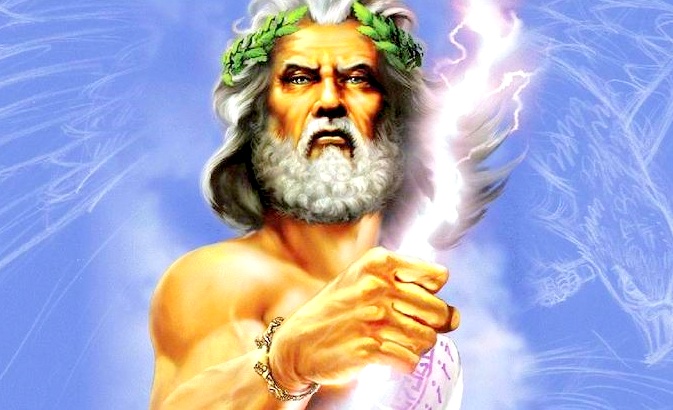
After completing these activities, you will now be able to identify a Greek god/goddess and know what they are in control of and some background information about them. By researching how we use Greek gods/goddesses in our modern day society, you will have a better understanding of the importance of Greek Mythology in our history.