
Introduction
Q: What did the ground say to the earthquake?
A: You crack me up
Have you ever felt the ground move or shake? Have you ever been dizzy and feel like the room is moving? Earthquakes are major natural phenomena and today we will be taking an in-depth look at what exactly they are. In addition you will be receiving a mission of the utmost importance. Your mission will be described to you soon, but just know that whatever you create could be responsible for saving millions of lives and preventing billions of dollars in damage caused by earthquakes. Good luck!
The 2011 earthquake in Japan is estimated to have caused $309 billion in damages. That’s $309,000,000,000!
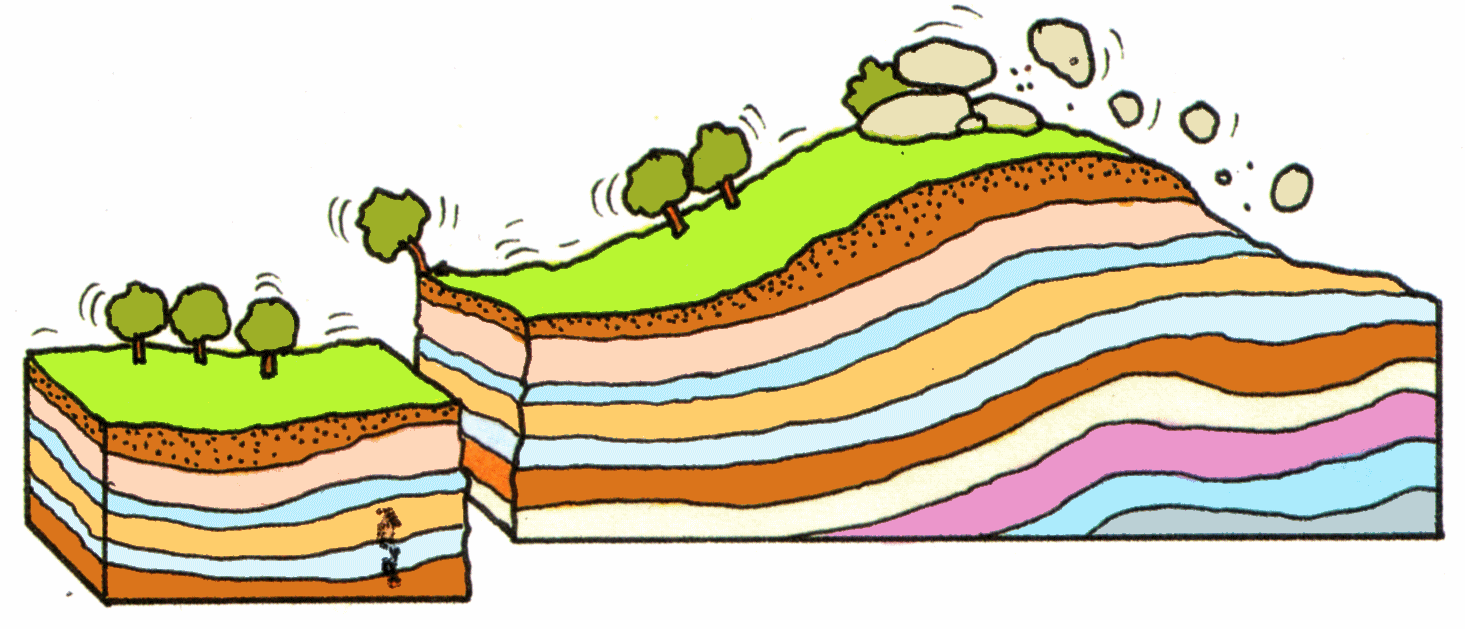
Task
The Mission:
Earthquakes are a natural disaster effecting millions of people around the world every year. Your assignment is to design a way to help increase safety for the general population. Your mission is to design a new method to reduce the impact of earthquakes. This design could be used for building resistance (for example, keeping buildings standing), keeping people safe from falling debris (for example, in a home, office, or even on the street), or anything else you can think of that is necessary for reducing the impact of earthquakes. Be creative! Your design will be fast-tracked into production, we are counting on you!
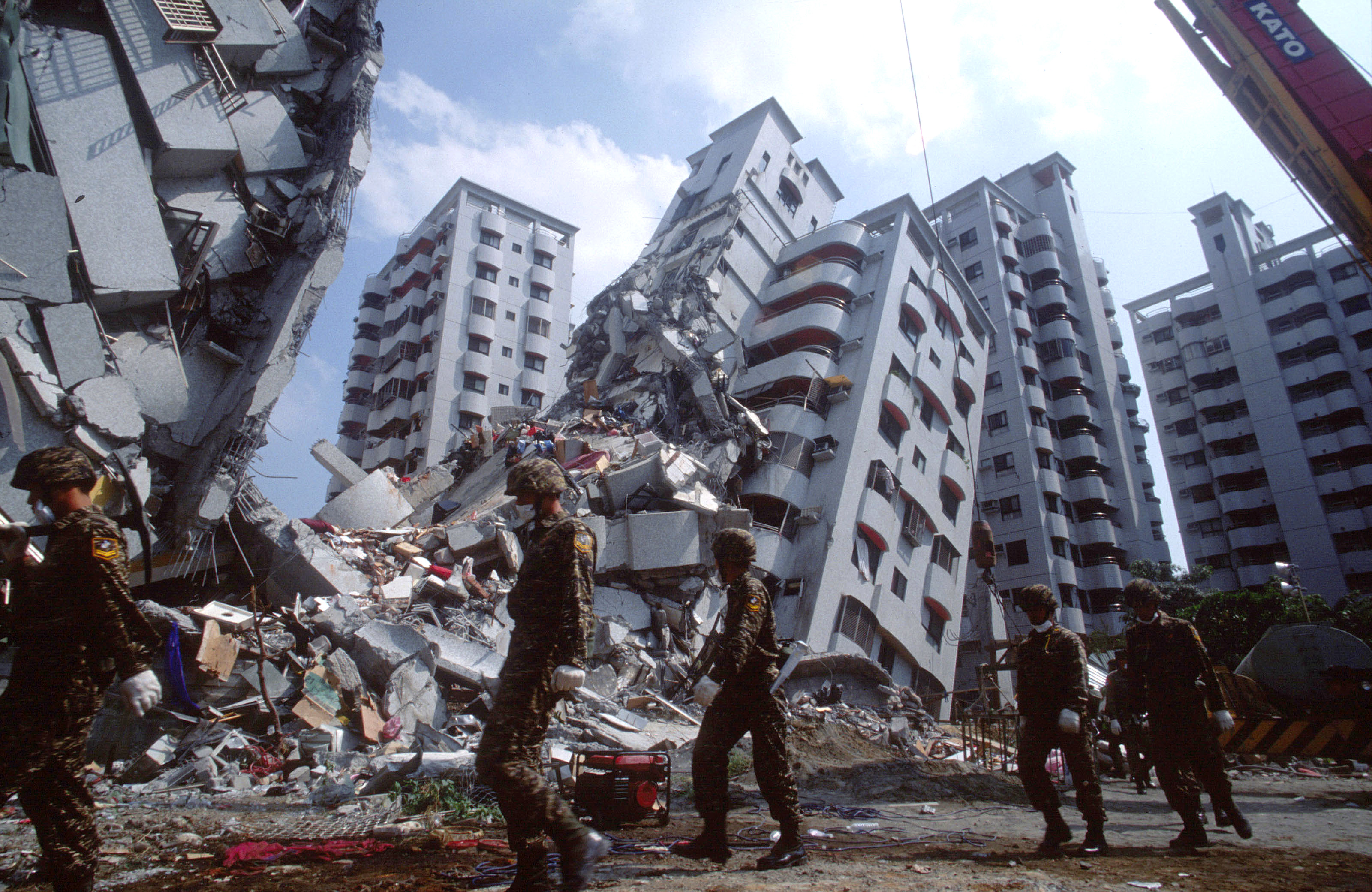
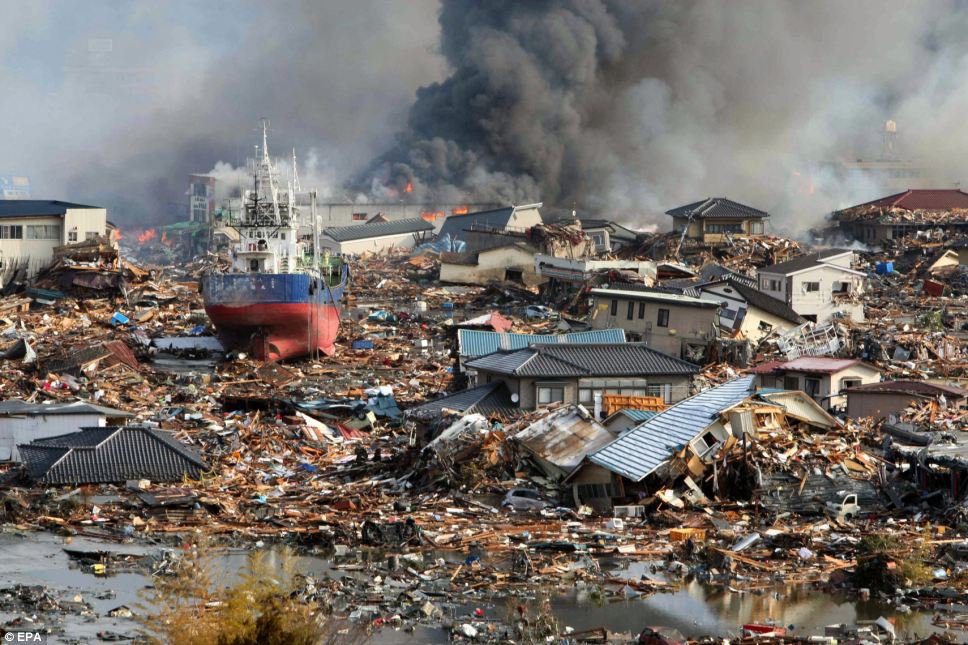
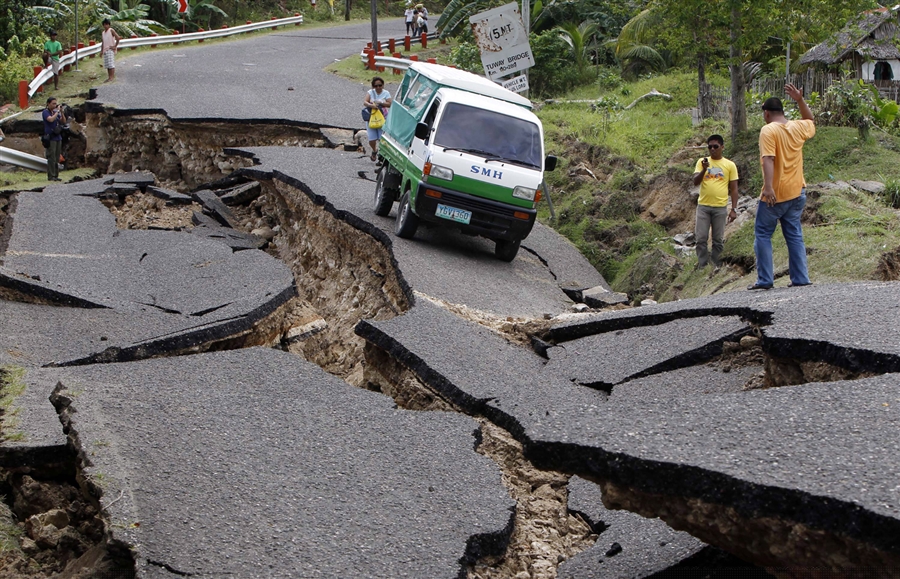
The following images are examples of the aftermath caused by earthquakes.
Process
Overview:
We will be taking a look at earthquakes, examining why they happen, what kind of damage they cause, and tools already being used to reduce their impact. Working within your team, three jobs have been developed to assist in your design task. Each job has a unique role, allowing for you to become the specialist in that area.
 Job - "Earthquake causes": What causes earthquakes to happen? Your task is to research the causes of earthquakes. This includes where earthquakes happen, how often, why, and any other information related to the natural process.
Job - "Earthquake measurement": What does an earthquake do? Describe the effects of an earthquake and what the damage is. Research how earthquakes are categorized, but more importantly what each category means.
Job - "Reducing effect": Reducing earthquake effects. Research what tools are already being used to help reduce the impact of earthquakes. This should include residential tools (what you would see in homes) and industrial tools (office buildings and skyscrapers, for example).
After each member has his/her role, please begin by watching the following video as a group. The video will provide an overview of earthquakes which will provide a starting point for each role.
[video:https://www.youtube.com/watch?v=CtBXTvtFaCU align:center]
Resources for each role:
Earthquake causes: What Causes an Earthquake? Faults Explained , The Science of Earthquakes , Why and where do earthquakes occur?
Earthquake measurement: Measuring the Size of an Earthquake , Seismic waves , How we measure earthquakes
Reducing effect: Ready.gov , Be Prepared, Build a Kit , Earthquakes
After Research:
Each team member will research his/her role individually, learning as much as possible. Once members have completed their research, come together as a team to begin brainstorming ideas for your design. Your design will require the following elements:
- A sketch of your design
- Please label parts and features - be clear and specific
- An explanation of your design
- Connect your design to your research - your explanation will include elements of each member’s research.
*Additional information on expectations and requirements can be found on the evaluation page.
Evaluation
|
Earthquake Design Project |
||||
|
Student Name: ________________________________________ |
||||
|
CATEGORY |
4 |
3 |
2 |
1 |
|
Title (Group) |
Title is informative, centered, and larger than other text. |
Title is informative and larger than other text. |
Title is informative and centered. |
The title is incomplete and does not clearly indicate what organism is pictured. |
|
Labels (Group) |
Every item that needs to be identified has a label. It is clear which label goes with which structure. |
Almost all items (90%) that need to be identified have labels. It is clear which label goes with which structure. |
Most items (75-89%) that need to be identified have labels. It is clear which label goes with which structure. |
Less than 75% of the items that need to be identified have labels OR it is not clear which label goes with which item. |
|
Drawing (Group) |
Lines are clear and not smudged. There are almost no erasures or stray marks on the paper. Color is used carefully to enhance the drawing. Stippling is used instead of shading. Overall, the quality of the drawing is excellent. |
There are a few erasures, smudged lines or stray marks on the paper, but they do not greatly detract from the drawing. Color is used carefully to enhance the drawing. Overall, the drawing is good. |
There are a few erasures, smudged lines or stray marks on the paper, which detract from the drawing OR color is not used carefully. Overall, the quality of the drawing is fair. |
There are several erasures, smudged lines or stray marks on the paper, which detract from the drawing. Overall, the quality of the drawing is poor. |
|
Explanation of Design (Group) |
Information clearly relates to the main topic. It includes several supporting details and/or examples. |
Information clearly relates to the main topic. It provides 1-2 supporting details and/or examples. |
Information clearly relates to the main topic. No details and/or examples are given. |
Information has little or nothing to do with the main topic. |
|
Connection to Research (Individual) |
All research topics are addressed and connected to the design. |
Most research topics are addressed and connected to the design. |
A research topic/topics are addressed. Connections to design are vague. |
Connections are nonexistent or not relevant to the design. |
|
Collaboration with Peers (Individual) |
Almost always listens to, shares with, and supports the efforts of others in the group. Tries to keep people working well together. |
Usually listens to, shares with, and supports the efforts of others in the group. Does not cause \"waves\" in the group. |
Often listens to, shares with, and supports the efforts of others in the group but sometimes is not a good team member. |
Rarely listens to, shares with, and supports the efforts of others in the group. Often is not a good team member. |
|
Content Knowledge (Individual) |
Shows a full understanding of the topic. |
Shows a good understanding of the topic. |
Shows a good understanding of parts of the topic. |
Does not seem to understand the topic very well. |
*Categories are labeled as either "group" or "individual" evaluation.
Conclusion
Conclusion:
The efforts of this team have been greatly appreciated by billions of citizens across the globe. Thank you for your design and continued efforts to reduce the effects of earthquakes. With your design and the continued efforts of earth's greatest minds, the destruction caused by earthquakes will soon be a memory of the past.
Credits
Credits:
http://www.bbc.com/news/business-12828181
http://www.clipartbest.com/clipart-RiA65RLLT
http://earthshakes.pbworks.com/f/1247064055/earthquake.gif

http://www.fromquarkstoquasars.com/wp-content/uploads/2013/12/Earthquake-USGS.jpg


http://www.jokes4us.com/miscellaneousjokes/weatherjokes/earthquakejokes.html
https://www.youtube.com/watch?v=CtBXTvtFaCU
http://news.nationalgeographic.com/news/2014/01/140115-earthquakes-california-faults-science/
http://earthquake.usgs.gov/learn/kids/eqscience.php
http://www.bgs.ac.uk/discoveringGeology/hazards/earthquakes/whyWhere.html
http://earthquake.usgs.gov/learn/topics/measure.php
http://www.bgs.ac.uk/discoveringGeology/hazards/earthquakes/SeismicWaves.html
http://www.bgs.ac.uk/discoveringGeology/hazards/earthquakes/HowWeMeasureThem.html
http://www.ready.gov/earthquakes
Teacher Page
Standard:
4-ESS3-2. | Generate and compare multiple solutions to reduce the impacts of natural Earth processes on humans.* [Clarification Statement: Examples of solutions could include designing an earthquake resistant building and improving monitoring of volcanic activity.] [Assessment Boundary: Assessment is limited to earthquakes, floods, tsunamis, and volcanic eruptions.] |
Learner Outcomes:
Students will be able to describe what an earthquake is, including causes and effects.
Students will be able to work collaboratively to develop a solution to reduce the impact of earthquakes.
Students will be able to explain reasoning behind a design, with supporting evidence.