
Introduction

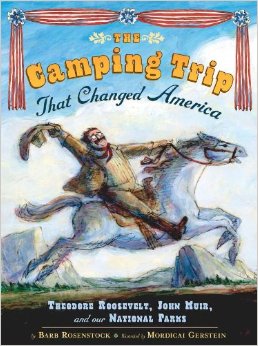
You are going to learn about two gentlemen, Theodore Roosevelt and John Muir, who changed the way America took care of their wilderness land. Your teacher will read, The Camping Trip that Changed America, by Barb Rosenstock to start your adventure.
Before you begin-click on the book to watch a short preview of the book.
Task
Your teacher will read a biography written by Barb Rosenstock, The Camping Trip that Changed America. At the conclusion of the story, you will work in collaborative groups of 2-3 to complete a Venn Diagram comparing and contrasting the two main characters of the book, John Muir and Theodore Roosevelt. You will choose either John or Theodore as your main character. You are encouraged to visit the library and utilize the librarian and the library resources made available to you to collect information to create a biography board report. At the conclusion of the report, you will present your biography board to the class.
Process
- Your teacher will begin the lesson by reading a biography written by Barb Rosenstock, The Camping Trip that Changed America.
- You will use the Venn Diagram provided to compare and contrast John Muir and Theordore Roosevelt.
- You will pick 2-3 people to work in a collaborative group.
- Pick which main character you would like to research-John Muir or Theodore Roosevelt.
- Go to the Media Center and visit with the librarian about the location of Biographies. You will need to find at least one biography on the library shelves using the Library Catalog. Be sure to cite you sources using Citaiton Machine.
- Visit the following websites to research your person.
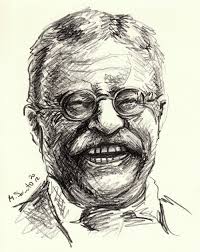
About the Presidents: Theodore Roosevelt
The Theodore Roosevelt Assosication
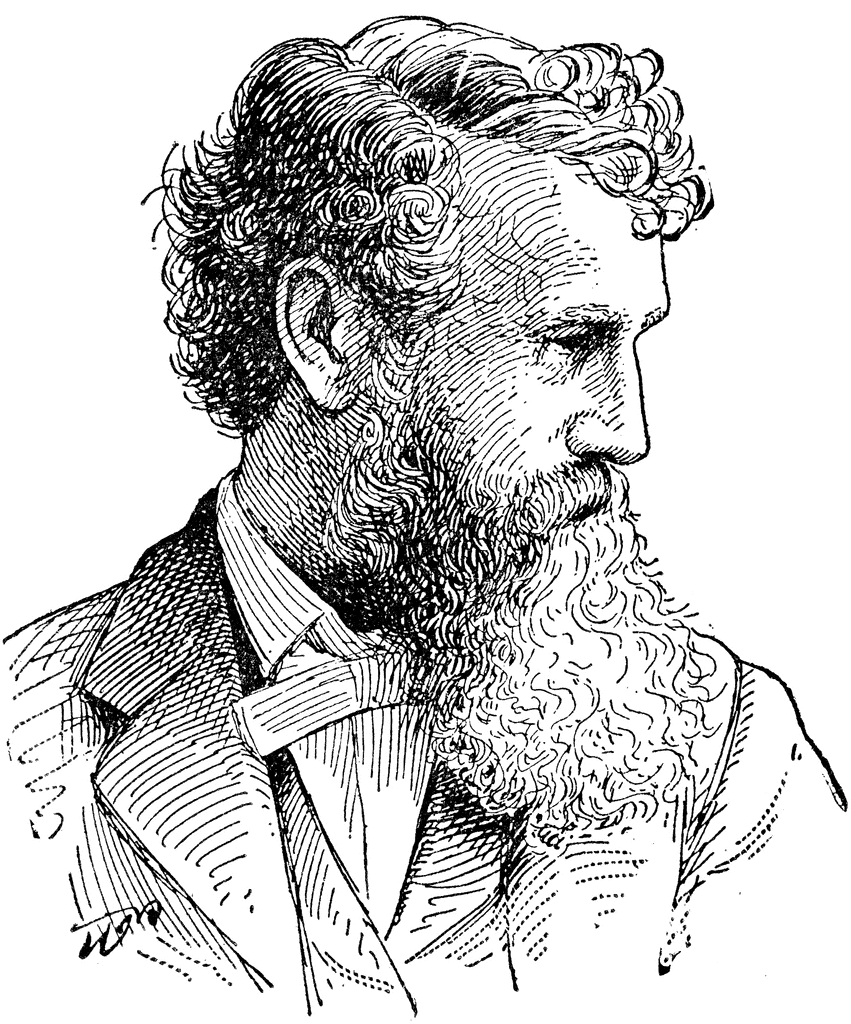
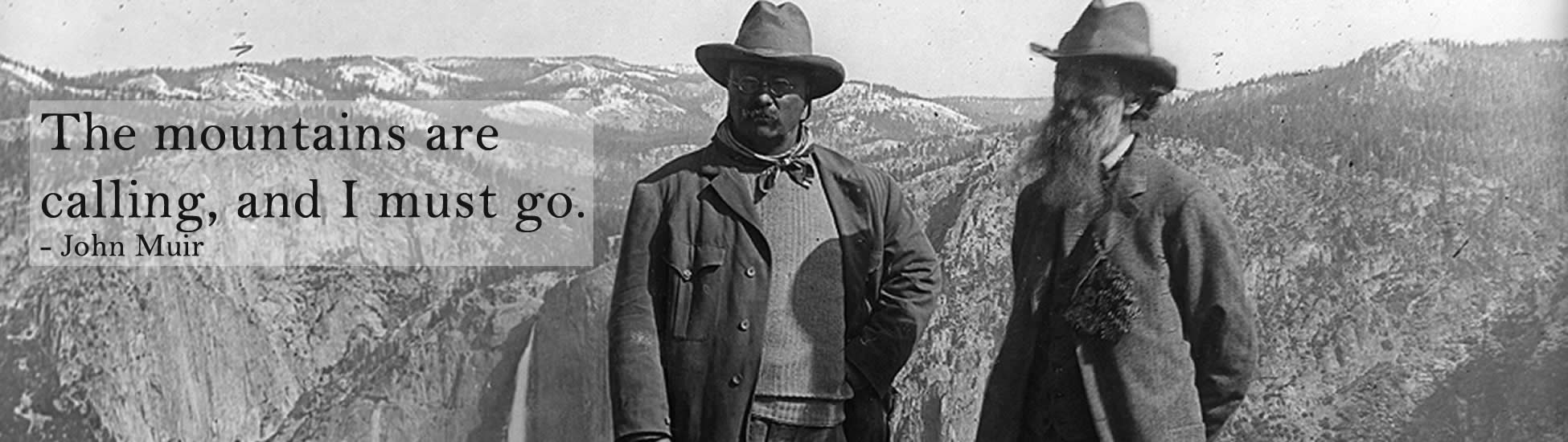
The Sierra Club Biography of John Muir
Biography Board
(a poster that focuses on an important individual in history)
Include the following on your poster (it must be at least 8' x 10")
- Title (name of your person)
- a focus question regarding the person's accomplishments
- two color illustrations or pictures- One must be the person and the other must relate to an event that made your person famous
- two captions that relate to your illustrations or photographs
- two quotations-actual words spoken by this person.
- A timeline of important events in the person's life
- one paragraph (no less than 6 sentences) written from your research information
Evaluation
Rubric for Biography Board Project
| Components | Description | Excellent-5pts | Very Good-4pts | Good-3pts | Developing-2pts |
|
Venn Diagram |
I listened to the story and pulled infromation about the two main characters, John and Theodore. I was able to compare (alike) and contrast (difference) the two main characters. |  |
 |
 |
 |
| Research | I utilized the library and found at least three (3) different sources-one being a biography and not from the internet. I cited my sources. | |
|
|
|
| Biography Board | I had a focus question. I had two color illustrations and captions for those illustrations. I had two quotations from my main character. I had a timeline of events from my main character's life. I had one paragraphy describing my main character. | |
|
|
|
| Presentation | I spoke clearly and slowly so that everyone could understand me. I looked at my audience and referred to my Biography Board. | |
|
|
|
Conclusion
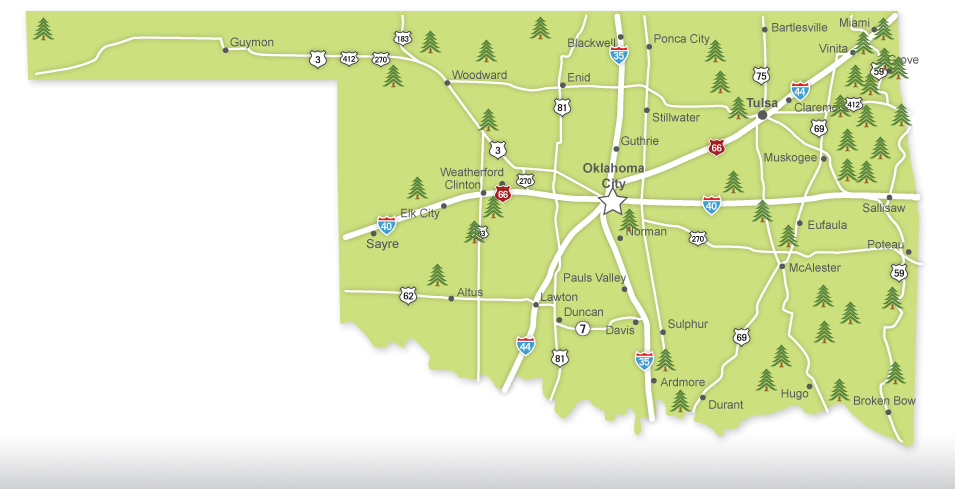
Now that you have learned about John Muir and Theodore Roosevelt and their adventures helping create the National Parks Services-visit Oklahoma National Parks to see if there is park near you.
Teacher Page
Oklahoma PASS Objectives
Grade 4 Language Arts
Standard 3: Comprehension/Critical Literacy -The student will interact with the words and concepts in a text to construct an appropriate meaning.
4. Analysis and Evaluation
b. Compare and contrast information on the same topic after reading several passages or articles
Standard 4: Literature - The student will read to construct meaning and respond to a wide variety of literary forms.
*1. Literary Genres - Demonstrate knowledge of and appreciation for various forms (genres) of literature.
a. Identify the defining characteristics of a variety of literary genres and forms (e.g. contemporary realistic fiction, historical fiction, nonfiction, modern fantasy, poetry, drama, legends, myths, biography, autobiographies, and traditional stories such as fairy tales and fables).
4. Literary Works - The student will read and respond to historically and culturally significant works of literature, compare and contrast story elements from tales of different cultures (e.g., compare/contrast adventures of character types, setting, theme).
Standard 5: Research and Information - The student will conduct research and organize information.
1. Accessing Information - Select the best source for a given purpose.
c. Cite information sources appropriately.
3.Take notes to paraphrase or summarize information.
4. Locate, organize, and synthesize information from a variety of print, nonprint and technological resources (e.g., dictionaries, reference books, atlases, magazines, informational texts, thesaurus, and technology/Internet).
5. Report on the findings of research in a variety of formats including written, oral, and/or visual presentations.
AASL Standards
1. Inquire , think critically, and gain knowledge
1.1 Skills
1.1.5-Evaluate information found in selected sources for the basis of accuracy, validity, appropriateness for needs, importance, and social and cultural context.
1.1.6-Read, view, and listen for informationa presentedin any format (e.g., textual, visual, media, digital) in order to make inferences and gather meaning.
1.1.8-Demonstrate mastery of technology tools for accessing information and pursuing inquiry.
1.1.9-Collaborate with others to broaden and deepen understanding.
3. Share Knowledge and participate ethically and productivly as members of our democratic society
3.1 Skills
3.1.2-Participate and collaborate as members of a social and intellectual network of learners.
3.1.3-Use writing and speaking skills to communicate new understandings effectively.
3.1.4-Use technology and other information tools to organize and display knowledge and understanding in ways others can view, use, and assess.