
Introduction
STANDARDS:
Strand 5: Processes and Interactions of the Earth’s Systems; 1.A.b. DOK a-1 b-2
What did the rock say to the geologist? Don’t take me for granite.
INTRODUCTION
Would you like to learn more about rocks and minerals? If you would, come along on my fascinating journey. There are many things to see and learn about on this trip. So, pack your bag and socks because we are going to learn more about rocks!
ROCKS come in cool colors, shapes, textures, and sizes and are found all around you, but how much do you REALLY know about them?
Task
The Task
Today, you will become a geologist. A geologist is a scientist who studies rocks and minerals on the earth. First you will take a journey to a Rock and Minerals Facts Museum in order to learn more about rocks and minerals. Then you will go on a geological trip across the country. You will discover a rock or mineral. Finally, you will inform a panel of geologists about this rock or mineral that you have just discovered. You will present a mini report about this rock or mineral to the panel of reporters and geologists that are eager to hear about your discovery.
Here are the things you will be expected to do on this journey
- Learn what a rock is and how they are formed
- Identify and look at three different types of rocks
- Look at pictures of rocks
- Learn what a mineral is and how they are formed
- Look at pictures of minerals
- Choose a rock or mineral to read about and research
- Write a mini report about the rock or mineral you discovered
- Present a report and provide a picture
Click on the LINK below to start your journey through the Rock Cycle

http://www.pbslearningmedia.org/resource/ess05.sci.ess.earthsys.rockcycle/rock-cycle-animation/
Process
Information About Rocks
Types of Rocks
Rocks are not all the same!
The three main types, or classes, of rock are sedimentary, metamorphic, and igneous and the differences among them have to do with how they are formed.
Sedimentary
Sedimentary rocks are formed from particles of sand, shells, pebbles, and other fragments of material. Together, all these particles are called sediment. Gradually, the sediment accumulates in layers and over a long period of time hardens into rock. Generally, sedimentary rock is fairly soft and may break apart or crumble easily. You can often see sand, pebbles, or stones in the rock, and it is usually the only type that contains fossils.
Examples of this rock type include conglomerate and limestone.
Metamorphic
Metamorphic rocks are formed under the surface of the earth from the metamorphosis (change) that occurs due to intense heat and pressure (squeezing). The rocks that result from these processes often have ribbonlike layers and may have shiny crystals, formed by minerals growing slowly over time, on their surface.
Examples of this rock type include gneiss and marble.
Igneous
Igneous rocks are formed when magma (molten rock deep within the earth) cools and hardens. Sometimes the magma cools inside the earth, and other times it erupts onto the surface from volcanoes (in this case, it is called lava). When lava cools very quickly, no crystals form and the rock looks shiny and glasslike. Sometimes gas bubbles are trapped in the rock during the cooling process, leaving tiny holes and spaces in the rock.
Examples of this rock type include basalt and obsidian.
Three Types of Rocks Websites
1. Click on the link below and find and describe the three types of Rocks.
http://www.geography4kids.com/files/earth_rocktypes.html
2. Watch the video below about the three types of rocks.
[video:https://www.youtube.com/watch?v=jPgE74Vltdc]
Rocks and Minerals Websites
3. Follow the links below and find information about rocks and minerals. Choose one rock and one mineral to research more about for your report.
http://www.sciencekids.co.nz/sciencefacts/earth/rocksandminerals.html
http://www.rocksandminerals4u.com/minerals.htmlIgneous Rocks Websites
http://www.mineralogy4kids.org/?q=rock-cycle/igneous-rocks
http://geology.com/rocks/igneous-rocks.shtml
http://www.theimage.com/mineral/
4. Watch the video below about how different types of rocks are formed.
[video:https://www.youtube.com/watch?v=F11-GE7YWuc]
Metamorphic Rocks Websites
5. Follow the links below and describe the formation process of a metamorphic rock.
6. Follow the links below and name one example of a metamorphic rock and it's characteristics.
http://en.wikipedia.org/wiki/Metamorphic_rock
http://www.sciencekids.co.nz/sciencefacts/earth/metamorphicrocks.html
Sedimentary Rocks Websites
7. Follow the links below and describe the formation process of sedimentary rock.
8. Follow the links below and name one example of a sedimentary rock and it's characteristics.
http://geology.com/rocks/sedimentary-rocks.shtml
http://www.sciencekids.co.nz/sciencefacts/earth/sedimentaryrocks.html
Igneous Rocks
9. Follow the links below and describe the formation process of igenous rocks.
10. Follow the links below and name one example of igenous rock and it's characteristics.
http://www.mineralogy4kids.org/?q=rock-cycle/igneous-rocks
http://www.mineralogy4kids.org/?q=rock-cycle/igneous-rock-identification-chart
Don't forget to choose a rock and mineral and create your report!
Conclusion
CONGRATULATIONS!!!
You are now a rocks and minerals expert! I hope you enjoyed your journey a learned a few things along the way!
More Fun Activities with Rocks and Minerals
Look up the prominate rock in your area. What type of rock is it? How did it form?
Read Everything Rocks and Minerals! See if you can get a copy from your school or local library! 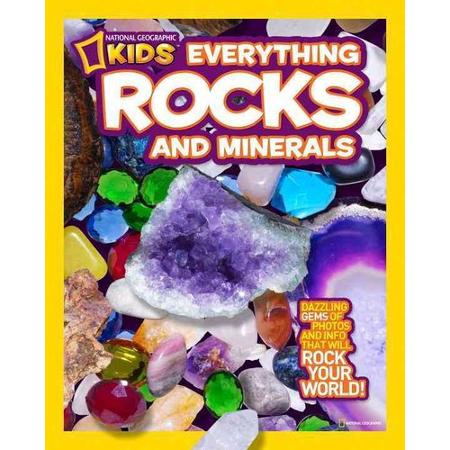
Test your skills by clicking on the link below. Answer questions about rocks and the rock cycle. This is an assessment to see how much you've learned. Enter only your first name, then answer the questions that follow.. Print your test when you are done and turn it in for some bonus points!
http://www.learner.org/interactives/rockcycle/testskills.html
Credits
http://www.geography4kids.com/files/earth_rocktypes.html
http://www.sciencekids.co.nz/sciencefacts/earth/rocksandminerals.html
http://www.rocksandminerals4u.com/minerals.htmlIgneous Rocks Websites
http://www.mineralogy4kids.org/?q=rock-cycle/igneous-rocks
http://geology.com/rocks/igneous-rocks.shtml
http://www.theimage.com/mineral/
http://en.wikipedia.org/wiki/Metamorphic_rock
http://www.sciencekids.co.nz/sciencefacts/earth/metamorphicrocks.html
http://geology.com/rocks/sedimentary-rocks.shtml
http://www.sciencekids.co.nz/sciencefacts/earth/sedimentaryrocks.html