
Introduction
Today, you're going to learn what the seven types of electromagnetic radiation are and what each of them are used for in every day life.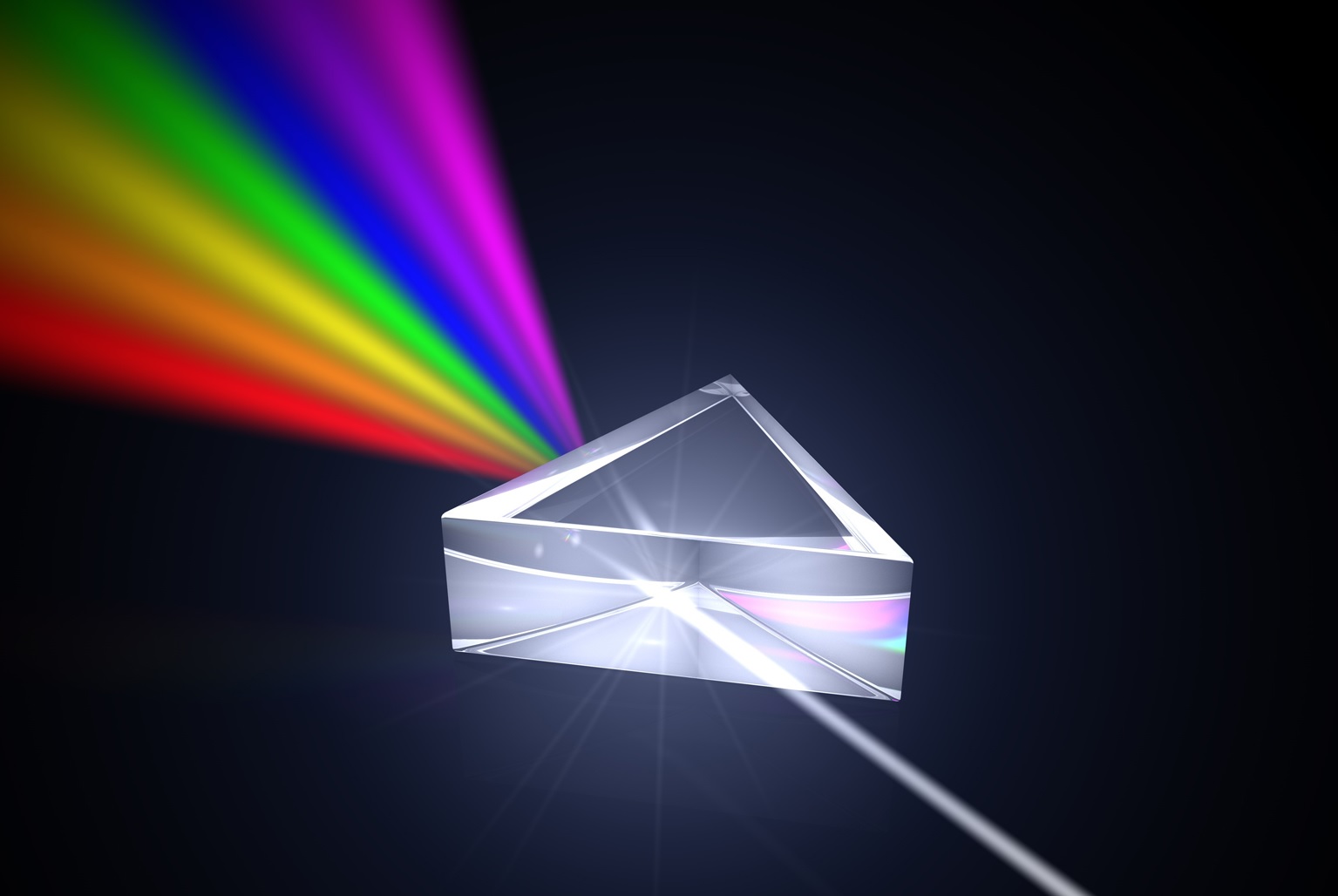
Task
This webquest will introduce students to electromagnetic radiation, what it means when radiation has more energy than others, and how we use it in our daily lives.
Without radiation, life wouldn't exist. With too much radiation, life also wouldn't exist. We walk a fine line every single day of ours lives, but what exactly is radiation?
To start, students will learn a few basic definitions to help guide them through the rest of the webquest. After, students will investigate what the different types of radiation are, and how we use them in various types of technology.
Process
Did you know that light is just a tiny fraction of a much bigger family known as electromagnetic radiation? It surrounds us constantly but most people think of them as separate entities, and, even worse, that all radiation is dangerous! Yes, some radiation can be harmful, but most is harmless, especially in the quantities we experience. So what separates these different types of radiation? First, we need to define a couple parameters.
Task 1: Define frequency, wavelength, and radiation.
Visit This Website for a better understanding.
Task 2: What are the seven types of radiation? To learn more Click Here
List them from highest energy to lowest energy
Once you have the seven types listed, create your own mnemonic to help you remember. Creativity counts! If you're not sure what a mnemonic is, you can see a common one here: Planet Mnemonic
Task 3: What is each type of radiation used for in every day life?
Lastly, you will browse through the website listed below to find at least two ways we use the various types of radiation in our modern technology.
http://www.darvill.clara.net/emag/emagradio.htm
http://www.stmary.ws/HighSchool/Physics/radio_1.htm
http://www.ask.com/science/infrared-used-5d0f42ba586aecc4
http://sciencelearn.org.nz/Contexts/You-Me-and-UV/Science-Ideas-and-Concepts/Uses-for-UV
http://science.howstuffworks.com/dictionary/physics-terms/xray-info2.htm
http://www.bbc.co.uk/schools/gcsebitesize/science/add_ocr_gateway/radiation/treatmentrev1.shtml
Task 4: Reflection. Complete sentences are required!
List three things you learned from doing this webquest.
List two things you found interesting and would like to learn more about.
List one question you have after learning about radiation today.
Evaluation
Task 1:
Define:
Frequency: ______________________________________________________________________________
Wavelength: ____________________________________________________________________________
Radiation: _______________________________________________________________________________
Task 2:
What are the seven types of radiation from highest to lowest energy
1. ______________________________________________________
2. _____________________________________________________
3. _____________________________________________________
4. _____________________________________________________
5. _____________________________________________________
6. _____________________________________________________
7. _____________________________________________________
Create a mnemonic for the seven radiation types.
_______________________________________________________________________________________________________
________________________________________________________________________________________________________
Task 3: What are two ways each type of radiation is used. Make sure to list which type of radiation you're talking about!
1. ______________________________________________________________________________________________________
________________________________________________________________________________________________________
2. ______________________________________________________________________________________________________
________________________________________________________________________________________________________
3. ______________________________________________________________________________________________________
________________________________________________________________________________________________________
4. _____________________________________________________________________________________________________
________________________________________________________________________________________________________
5. ______________________________________________________________________________________________________
________________________________________________________________________________________________________
6. ______________________________________________________________________________________________________
________________________________________________________________________________________________________
7. ______________________________________________________________________________________________________
________________________________________________________________________________________________________
Task 4: 3-2-1
What are three things you learned from this Webquest?
1. ______________________________________________________________________________________________________
________________________________________________________________________________________________________
2. ______________________________________________________________________________________________________
________________________________________________________________________________________________________
3. ______________________________________________________________________________________________________
________________________________________________________________________________________________________
What are two things you found interesting?
1. ______________________________________________________________________________________________________
________________________________________________________________________________________________________
2. ______________________________________________________________________________________________________
________________________________________________________________________________________________________
What is something you still have a question about?
1. ______________________________________________________________________________________________________
________________________________________________________________________________________________________
Task 1
2 points - all definitions accurate and complete
1 point - definitions inaccurate and/or one or two missing
0 points - no definitions
Task 2
3 points - all radiations listed from high to low energy, in order, mnemonic included
2 points - all radiations listed, out of order, mnemonic included
all radiations listed in order, no mnemonic included
1 point - some radiations listed with / without mnemonic
0 points - no radiations listed, no mnemonic
Task 3
4 points - two examples for each type listed
3 points - less than two examples for 1-2 types
2 points - less than two examples for 3-4 types
1 point - less than two examples for 5-6 types
0 points - less than two or no examples for all types
Task 4
3 points - all three parts answered in full
2 points - missing 1-2 reflection responses
1 point - missing 3-4 reflection responses
0 points - no reflection
Maximum score: 12 points
A - 11 points
B - 10 points
C - 9 points
D - 8 points
Conclusion
After today's Webquest, I hope the types of electromagnetic radiation are a little more clear!
They're used every day with a variety of technology. Seeing the clock, using your cell phone, eating preserved (irradiated!) food, or a feeling warm because of a space heater in your room ... it's all different types of radiation!
Make sure to turn this in to me before the period ends.
Credits
The interwebs & Jeff McKearney
Teacher Page
Task 1
Frequency: How often something occurs per second. Measured in Hertz (Hz)
Wavelength: The distance between two crests or two troughs of a wave
Radiation: electromagnetic energy
Task 2
Gamma
X-Ray
Ultraviolet
(Visible) Light
Infrared
Microwave
Radio
Task 3
Gamma - food irradiation, cancer treatment
X-Ray - Airport security, broken bones
Ultraviolet - CSI, tanning beds
Light - To see, fiber optics
Infrared - Thermal scopes, heat lamps, TV remotes
Microwaves - Microwaves, cell phones
Radio - Radio, Walkie Talkies, Radar
Mnemonic: unique for each student
Task 4
Reflection: unique for each student