
Introduction
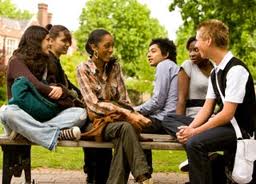
Ask anyone who has ever lived with, known, or been a teenager: adolescence is a time of dramatic change. With adolescence comes puberty, expanded cognitive abilities, a new sense of self and identity, and often new and increased expectations at school and work.
Relationships with parents and peers change too. As they mature, adolescents’ social skills are called upon to form and maintain relationships. Fortunately, with these relationships, especially those of high quality, come beneficial outcomes, such as psychological health, improved academic performance, and success in relationships as adults. Conversely, the absence of such quality relationships is associated with negative outcomes, such as delinquency and psychological problems.
During adolescence, social relationships are a significant priority for teens. Further, since adolescence is a period where teens begin to transition away from the family, toward independent living learning appropriate social skills can set up a teenager for success. Additionally, teens with social deficiencies may struggle to form developmentally-beneficial relationships, which may lead to depression, anxiety, low self-esteem and poor school performance.
Task
 In this webquest, you will be watching videos, reading information, performing research, and doing various activities in order to understand the importance of effective and positive social skills as well as how to implement these skills into your every day life at home, school, and out in the community. You will be responding to questions and creating a presentation to share with your classmates following your completed research. Have fun!
Process
Webquest Day 1:
1. Watch the following video.
2. Open up a Microsoft Office document. Save it to your desktop as "Keys to Good Health Part 3: Social Skills". Answer the questions and do the activities in this webquest on this document.
3. What would you do differently if you were one of the teenagers in this video?
4. Name one thing you learned to do (or not to do) from this video.
[video:http://youtu.be/-N18VTltZgY width:560 height:315 align:center]
______________________________________________________
1. Watch the following video.
2. Write a short paragraph sharing at least three good communication skills you've learned from this video. Remember, your paragraph must be between 3-5 sentences, use correct grammar, punctuation, indentation, and spelling.
[video:http://youtu.be/_UTx6iPLsH4 width:420 height:315 align:center]
______________________________________________________
1. Go to the following link:
https://www.youtube.com/user/9thPlanetLLC
2. Open up your Microsoft Office document. Scroll to the next blank page.
3. Create a table just like the one you did for GCDlearnfree.org.
4. Watch each short video clip.
5. In your table, the first column will be the name of each video.
Here are the names of each video:
d. Job Skills
g. Autism Social Skills Videos for Teenagers and Young Adults
6. In your table, the second column will be a 2-3 sentence summary of what you learned in each clip. Make sure you are writing in complete sentences.
Webquest Day 2:
1. Complete any part of Day 1 that you did not finish.
2. Go to the website http://www.autism.org.uk/socialskills
3. Open up your Microsoft document from Day 1. Go to the next page on the document, and answer the following questions in complete sentences.
Question 1: Name three things you can say to start a conversation.
Question 2: Name two examples of appropriate topics of conversation.
Question 3: Name two examples of inappropriate topics of conversation.
Question 4: What might you say if a friend tells you that they have to move away because they have a new job?
Question 5: What are 4 signals that a person wants to end a conversation?
Question 6: What are two characteristics of a true friend?
Question 7: What are two characteristics of someone pretending to be a friend?