
Introduction

Introduction to Anaerobic Respiration
Anaerobic respiration is cellular respiration that proceeds without oxygen. There are two main types of anaerobic respiration: lactic acid fermentation and alcoholic fermentation. Anaerobic respiration has an advantage over aerobic respiration in the fact that it allows the organism to live in areas that do not contain oxygen and it produces ATP with greater speed. In this peer review you will go more in depth about anaerobic respiration.
Task

Process for Peer Review
In this peer review each student will read though the following links and answer the questions asked below. Make sure to read all the links and answer the 9 questions.
Process
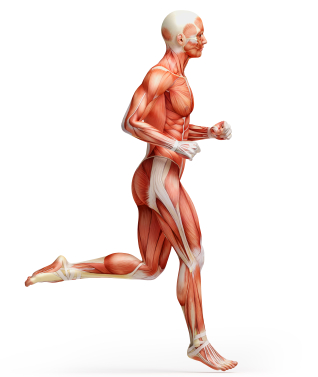
A. Lactic Fermentation- http://www.ehow.com/facts_5978911_lactic-acid-fermentation_.html
Questions:
1. What occurs in lactic acid fermentation?
2. How much ATP is yielded from a single molecule of glucose? 30 molecules of glucose?
3. What are some examples of organisms that use lactic acid fermentation?
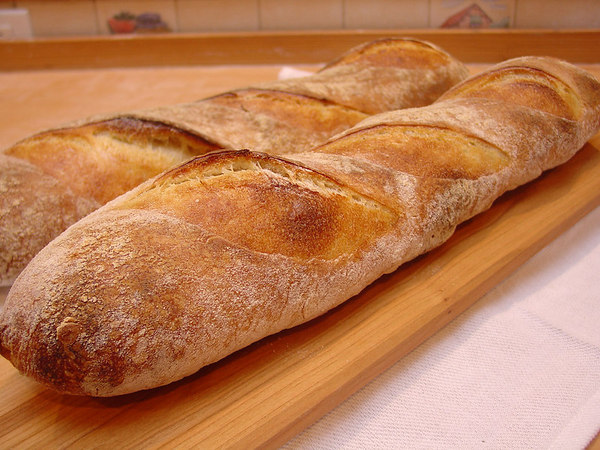
B. Alcoholic Fermentation- http://www.icr.org/article/glycolysis-alcoholic-fermentation/
Questions:
1. How does Alcoholic fermentation differ from glycolysis?
2. What two enzymes produce the produts of alcoholic fermentation?
3. What are the two products of alcoholic fermentation?
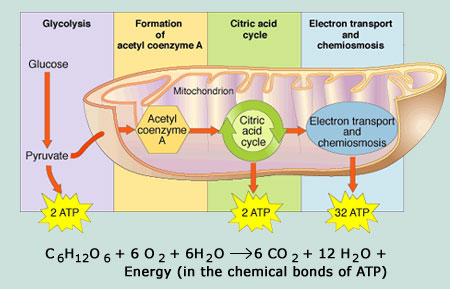
C. Aerobic Respiration vs. Anaerobic Respiration- http://www.diffen.com/difference/Aerobic_Respiration_vs_Anaerobic_Respi…
Questions:
1. How much ATP is created through Aerobic respiration compared to anaerobic respiration?
2. What process occurs more quickly, aerobic or anaerobic respiration?
3. State a situation where anaerobic respiration is more useful than aerobic respiration?
Conclusion

Summary of the Material
The followig is only a short summary of the 3 links that have been posted on this website:
Lactic acid involves pyruvic acid from glyolysis to change to lactic acid. Examples inlude bacteria in yougurt and muscles after a 100 mtetr dash.
Alcoholic fermentation involves pyruvic acid changing to alcohol and carbon dioxide. Examples include bread dough and wine.
An aerobic advantages icludes the amount of ATP produced and an obviuos advantgae of Anaerobic respiration is that it allows organisms to inhabit places with little to no oxygen.