
Introduction
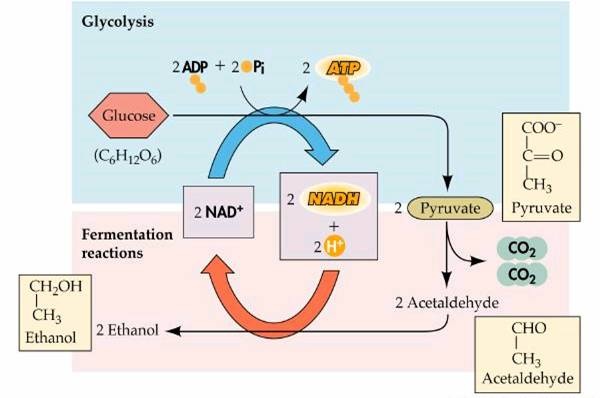 Lactic acid is a chemical compound that plays a role in various biochemical processes and was first isolated in 1780 by the Swedish chemist Carl Wilhelm Scheele. Lactic acid is a carboxylic acid with the chemical formula C₂H₄OHCOOH. Alcohol fermentation is done by yeast and some kinds of bacteria. These microorganisms convert sugars in ethyl alcohol and carbon dioxide. Aerobic respiration evolved after oxygen was added to Earth’s atmosphere. This type of respiration is useful today because the atmosphere is now 21% oxygen. However, some anaerobic organisms that evolved before the atmosphere contained oxygen have survived to the present. Therefore, anaerobic respiration must also have advantages.
Task
Answer the followwing questions after following the provided links.
Process
Lactic acid Fermentation: http://www.tempeh.info/fermentation/lactic-acid-fermentation.php
1. What is lactic acid?
2. What causes lactic acid to form?
3. What are the effects of klactic acid fermintation.
Alcoholic Fermintation: http://www.tempeh.info/fermentation/alcohol-fermentation.php
1. What is Alcoholic feermintation/
2. Is Alcoholic fermintation natural?
3. what s the difference between alcoholic, wine, and bread fermintation?
Advantages of aerobic and anerobic fermintation: http://moodleshare.org/mod/book/view.php?id=2108&chapterid=258
1. What are some advantages of aerobic fermentation?
2. What are some advanteges of anerobic fermentation?
3. What are some disaddvantegess of both?