
Introduction

Anerobic respiration allows animals to live in places with little to no oxygen. These places include underground in the soil and deep underwater. In the end, anaerobic respiration produces less ATP molecules than aerobic respiration.
When looking at this picture, you see how at the two pyruvic acids, there are two ways that they can go through anaerobic respiration. One way is used by our muscles, and the other is used by yeast. The two ways are called lactic acid fermentation and alcohol fermentation. When you are running sprints you use anaerobic respiration by lactic acid fermentation to give you the short burst of energy that you need. After you run your sprint, your leg muscles are sore because lactic acid has built up in them. Now, alcohol fermentation is used by yeast. So when you are making bread, yeast is put into the batter. When the batter is placed in the oven, the yeast goes through alcohol fermentation causing the waste product, carbon dioxide, to expand. This expansion causes the bread to rise and air bubbles form in the dough.
Task

In this webquest, you will go to there links, read the information on these links, and then answer the three questions that correspond to the websites.
Process
http://www.phschool.com/science/biology_place/biocoach/cellresp/review5…
Go to this link and go through each animation. These animations go through the process of lactic acid fermentation.
1. What are the NAD+ converted to in animation 1?
2. Look at animation 2, what does lactic acid fermentation produce?
3. Look at animation 4, what is recycled through fermentation?
http://www.phschool.com/science/biology_place/biocoach/cellresp/review5…
Now go to this link and look through all of the animations.
1. Look at animation 1, what does glycolysis produce?
2. Look at animation 2, what is the product?
3. Look at animationn 4, why is NADH recycled?
http://www.diffen.com/difference/Aerobic_Respiration_vs_Anaerobic_Respi…
Look at this link and the comparisons between anaerobic and aerobic respiration.
1. Scroll down to energy efficiency. Which respiration is less efficient?
2. What type of respiration produces the most ATP molecules?
3. What kind of respiration is used by muscle cells?
Conclusion
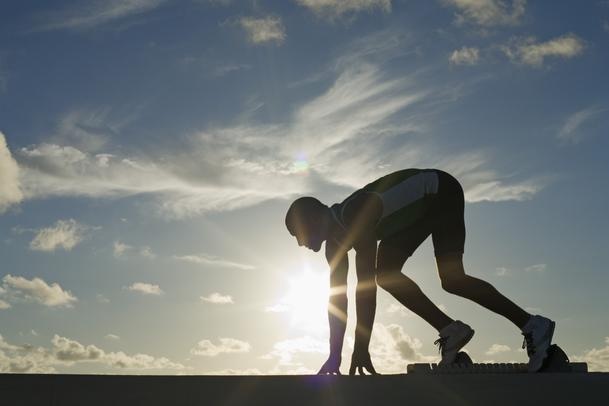
Overall, anaerobic and aerobic respiration play huge roles in everyday life. They make it so that we have energy to carry out necessary life processes. Anaerobic respiration is without oxygen and anerobic is with oxygen. Anaerobic respiration allows organisms to live in places with little to no oxygen. It also, through lactic acid fermentation, gives our muscles the short bursts of energy that we need when we are sprinting. Aerobic respiration produces the st amount of ATP molecules, 38. This allows us to have more energy for rinning long distance. Both anaerobic and aerobic respiration are necessary for life on Earth.