
Introduction
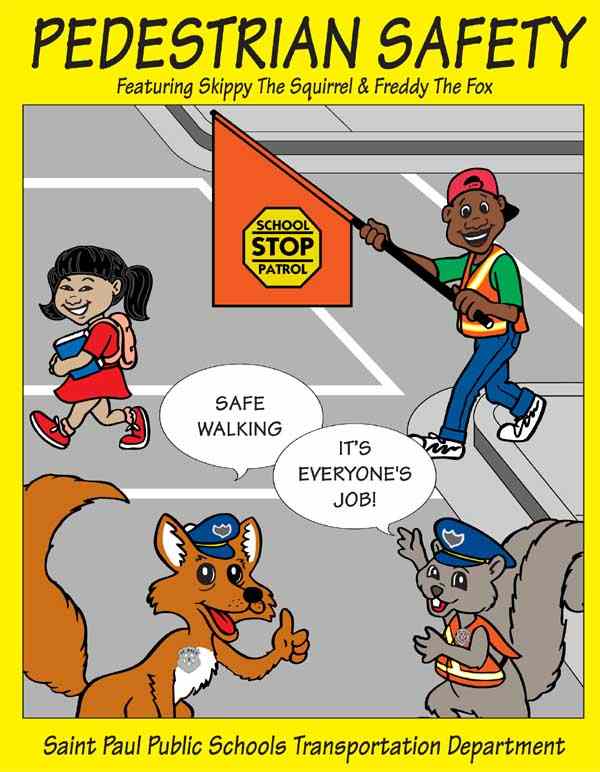 Pedestrian related injury is one of the leading causes of death and injury in children ages 5-14; yet many of these injuries can be prevented by teaching basic pedestrian safety to our children while they are young. This lesson explores how to present pedestrian safety in a developmentally appropriate way to children ages 3-5.
http://transportation.spps.org/uploads/Pedestrian_Safety_Color.jpg
Task
This webquest lesson is to teach students safe ways to walk to school. Students and parents will watch the video "I'm Safe: Walk With Me" that will allow them to view the safe ways to walk to school. Also parents, I would like for you to acess my social media site to get updated information about schools activities at:
http://www.edmodo.com/arobins71
www.youtube.com/watch?V=MAISd8KNYnQ

Process
- Parents will help students click on the link to the video or type it in the address bar and watch it with their child.
- After watching the video, parents will then ask their child to name some of the safe ways to walk to school safely.
- They will then ask their child what else do they remember about the video.
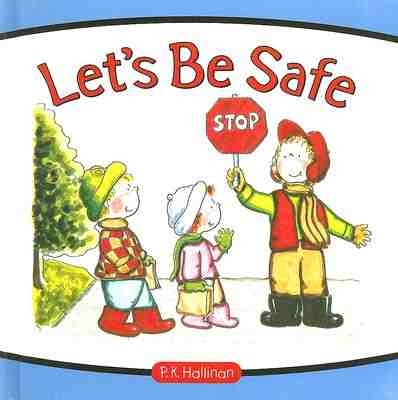
- Parents will then read the book Let's Be Safe" on website www.images.betterworldbooks.com
- Parent will ask child what, where, and how did the characters in the book walk to school.
- Parents will ask child to name some of the characters in the book.
- Parents will ask child to demonstrate the safe way to walk to school.
www.youtube.com/watchtv?V=MAISdBKNYnQ
Evaluation
Evaluation
Conclusion
Following this lesson, the students will have learned safe ways to walk to school.

Credits


Teacher Page
Ann Robinson: Head Start Preschool Class 3-5 year olds.
Head Start School Readiness Goals/Standards
1. Language Development 9:
Uses language to express thoughts and needs. Engage in story telling.
2.Literacy Development 17:
Demonstrates interest in various forms of print, such as fiction books.
Social Studies Knowledge and Skills 30: Understand the reson for rules in the home and classroon and laws in the community.
3. Approaches to Learning:
Demonstrate an eagerness to learn about and discuss a range of topics, ideas, and task.
Ask questions and initiate conversations in order to seek new information.