
Introduction
Welcome page
This WebQuest is designed to inform students about how different forms of pollution effects our environment and it surroundings such as people, plants, and animals in their local area. Students will be challenged to come up with ways to help solve and reduce pollution problems.
Introduction
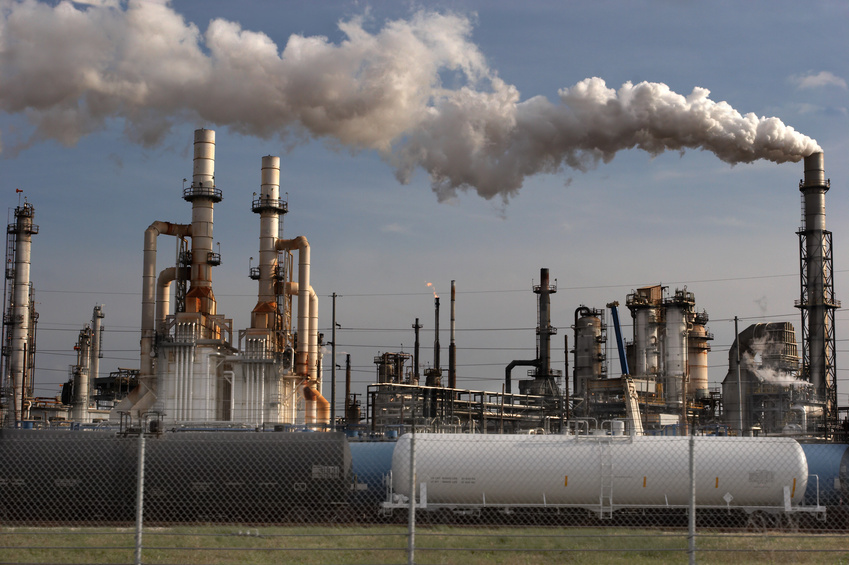
Do you know what pollution is? Do you know how harmful pollution can cause hurting living things on earth? Pollution is everywhere and the Earth needed your help to solve the issue.
People are constantly throwing trash on the ground, littering, smoking, and driving vehicles such as cars and trucks that emits harmful substance into the air. These things contaminate the air we breathe, the water we drink, and the land we live. These are all examples of different forms of pollution and is harms to the environment every day. In this activity, you will learn about how pollution effects the environment. Although it is difficult to eliminate pollution, you can help reduce pollution problems and make the world a cleaner place for all living things.
You are a 4th grade pollution detective, investigating and learning about the different types of pollution and how it harmful to the environment. Grab your detective journals and notebook and find the causes of pollution and come up with creative ways to solve the problem.
Task
Task
Your task for today is to help save the earth and by doing so, find different types of pollution and ways to prevent it. Student will get into a group of three. Each group will get a journal or notebook and document what they see, feel, and hear in their surrounding that causes pollution. Groups are to complete the following task:
- Discover things that causes pollution.
- Explain and list in the journal of items or things that causes pollution and ways to prevent it.
- Illustrate what they see that causes pollution.
- Create an poster board of their investigation of different types of pollution they find and see.
- Categorize different form of pollutions and identify them with pictures on the poster boards.
Trend forward carefully, Pollution Detectives! You are a team of investigators trying to get to the bottom of the case to solve pollution problems. Make sure you think of ways to reduce these pollutions.
Process
Process
Step 1:
You are to look at the Student Page 158 - Pollution Scene and identify examples of things that might contaminate and are considered harmful to the environment. In what ways are these pollution solve?
Step 2:
You and your groups of three are to take a walk outdoors and indoors to see, hear, and smell any pollution that you can identify during the walks and record or list the potential sources of pollution in the journal.
Step 3:
Identify these various types of pollution: air, water, and land and create a data collection chart in the journal showing the type of pollution, the causes of the pollution, how it affects the environment, and how to prevent pollutions.
Step 4:
Back in the classroom, continue your research and investigation on pollution using available magazines provided. You may draw or sketch or cut out examples of the type of pollution from the magazine that you identify during your walks.
Step 5:
Your group are to create a large chart on a poster board with columns of different category of pollution identified during the investigation walk outdoors or indoors. You will place pictures of what you drew or cut out in magazines of the items your group recorded into the pollution categories.
Step 6:
As a class, you and your group are to review and discuss the finished chart and what your group have found out about pollutions and how it affects the environment and living things in it. In addition to also explain how pollution can be prevented and reduce.
Evaluation
Evaluation
This is how your work will be evaluated.
|
|
Beginning |
Developing |
Qualified |
Exemplary |
Score |
|
Journal |
Journal did not have any pollution items, no images/sketch, did not provide any prevention |
Journal did not provide enough list of pollution, one or two images/sketch, did not mention causes or effects or preventions |
Journal provided some list of polluton, more than two image/sketch, was clear and provided some information on the causes and effects of pollution and preventions |
Journal was clear and concise, have list of pollution, images/sketch, causes and effects of pollution and preventions |
|
|
Chart |
Chart did not provide cause and effect of pollution, no images, was not clear on pollution and did not mention any prevention |
Chart did not provide enough information on pollution, did not mention fully the cause and effect and prevention clearly and have only one images |
Chart provided some information on cause and effect of pollution and had at least three images, some student are able to explain. |
Chart was clear and concise, have list of pollutions, images, causes and effects of pollution and preventions, all student are able to explain successfully. |
|
|
Team Work |
Students did not work well together. |
One or two students did all the work. |
Most of the students did work on the project |
All students contributed equally to the project |
|
|
|
|
|
|
Total Score |
__/12 |
Conclusion
Conclusion
Today you have succeeded in being a good citizens and making a difference in the world. You have find out about the different types of pollution: air, water, and land. You are now full expert investigator in finding the causes of pollution. Now it is your time to go out and make a difference. What can you and your family, friends, or community do to help prevent pollution from happening every day? The Earth will always be in need of your help and you are now ready to save the world from harmful pollutions.
Credits
References
American Forest Foundation. (2013). Activity 36: Pollution Search. Project Learning Tress: Pre K-8 environmental education activity guide (pp. 153-158). Washington, D.C.: American Forest Foundation.
Teacher Page
Teacher Page
This WebQuest will give students the opportunity to research the impact that pollution has on the environment. Not only will the student understand how harmful pollution are that impacted the environment but they will be challenged to come up with many ways pollution can be reduced. There are differnt pollutions in the world that are harmful to our environment. We want students to recognize how pollutions effects the environment and ways they can do to help make it a better living place for everyone to live in. By having students participate in this WebQuest, they will see how the world we live in are effected by pollution and to help improve the environment by applying it in their everyday life so that they can make this world a better, cleaner place for all human, animals, plants, and living things to live, breath, and stay healthy in our shared environment.