
Introduction
Life Cycles!
Every living thing in this world is similar yet so different. The similiarities and differences are what make up the diverse world in which we live in.
In this activity you will work with in groups to investigate, observe, and record information about each organism in which you are assigned. The information in which you will find will be shared with the class to compare to other animals.
Grade Level: 3
Curriculum: Science
Key Words: Animals, Lifecycle, Enviornment
Author: Nicole Ciampo
Task
The Assignment:
You will be broken down into groups of 4-5 people. Each group will be assigned a different animal in which you will need to research. You will need to find the life cycle of the animal. That will consist of when it is born, how long it can live for, the things it needs in order to survive, and other interesting facts in which you think contributes to their lives.
Each team will use at least one website to research their animal. When you find information you will answer questions that are assigned in the process section of the webquest. Next, you will complete a poster with the different stages, enviornment in which they live in, food they eat, and anything else that influences the animal. Finally, you will put put together a report from the assigned questions to explain the life cycle of your animal to the class.
You will present both of these assignments to the class, once they are completed.
Process
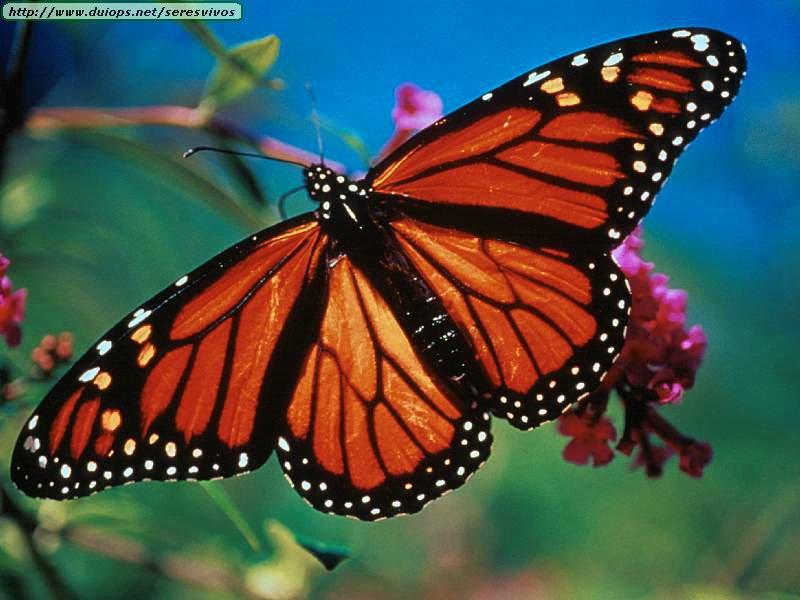
Butterfly Group
* Only do the section in which you are assigned!
Materials Needed: Paper, Pencil, Poster Board, colored pencils and or crayons.
Part 1
Below are links in which you will need to visit to do your research. Through your research, if you find another link that you think is reliable and would like to use, please ask before moving forward. Questions are listed below to answer while doing your research.
Website Links: 1. http://www.kidsbutterfly.org/life-cycle
2. http://www.ansp.org/explore/online-exhibits/butterflies/lifecycle/
Questions to be Completed
1. How many stages are in a butterfly's life cycle?
2. What are the names of each stage of a butterfly's life cycle? At each stage of the life cycle, describe what happens in each stage.
3. How long does it take to complete each stage of the cycle?
4. What do butterfly's eat?
5. What are the enviornments in which butterflies are usually found in?
6. How long can butterfly's usually live for?
You can include additional information if you think it is important to know to further explain the life cycle of a butterfly.
Part 2
Next, you will complete an illustration of the life cycle of a butterfly.
Directions
1. Use a poster board to illustrate each stage in a butterfly's life. Each stage should describe what happens to the butterfly. You can also include enviornmental factors, food, or enviornments in which they are in. It should be very detailed so other student's can understand the process without doing the research themselves.
2. Create a Title and Picture of the animal in which you researched.
3. Make sure each stage is in the right order.
4. Be creative!
Part 3
In this part you will combine the questions and your poster to create a miny report. The report will consist of the questions in which you previously answered. The report will tell the class each stage of your butterfly's life cycle through the information in which you learned by your research. It should have enough detail to illustrate when each stage starts, what happens as it moves onto the next stage, and what the butterfly needs at each stage. Describing the cycle and explaining it through both a report and image, allows your classmates to understand the life cycle of a butterfly.
How you will be graded:
* How well you are able to answer and explain the questions of a butterfly's life cycle.
* The amount of creativity, neatness, and accuracy of your poster.
* How well you were able to work with your group members and share the roles.
* Presenting the information from your report and poster to the class.
_______________________________________________________________________________
Ladybug Group
Materials Needed: Paper, Pencil, Poster Board, colored pencils and or crayons.
Part 1
Below are links in which you will need to visit to do your research. Through your research, if you find another link that you think is reliable and would like to use, please ask before moving forward. Questions are listed below to answer while doing your research.
Website Links: 1. http://earthsbirthday.org/images/uploads/bugs/ladybug-lifecycle.pdf For this link you will not complete the task at the bottom of the information. It is just to show you the cycle.
2. http://kidsgrowingstrong.org/ladybug_life
Questions to be Completed
1. How many stages are in a ladybug's life cycle?
2. What are the names of each stage of a ladybug's life cycle? At each stage of the life cycle, describe what happens in each stage.
3. How long does it take to complete each stage of the cycle?
4. What do ladybug's eat?
5. What are the enviornments in which ladybug's are usually found in?
6. How long can ladybug's usually live for?
You can include additional information if you think it is important to know to further explain the life cycle of a ladybug.
Part 2
Next, you will complete and illustration of a ladybug's lifestyle.
Directions
1. Use a poster board to illustrate each stage in a ladybug's life. Each stage should describe what happens to the ladybug. You can also include enviornmental factors, food, or enviornments in which they are in. It should be very detailed so other student's can understand the process without doing the research themselves.
2. Create a Title and Picture of the animal in which you researched.
3. Make sure each stage is in the right order.
4. Be creative!
Part 3
In this part you will combine the questions and your poster to create a miny report. The report will consist of the questions in which you previously answered. The report will tell the class each stage of your ladybug's life cycle through the information in which you learned by your research. It should have enough detail to illustrate when each stage starts, what happens as it moves onto the next stage, and what the ladybug needs at each stage. Describing the cycle and explaining it through both a report and image, allows your classmates to understand the life cycle of a ladybug.
How you will be graded:
* How well you are able to answer and explain the questions of a ladybug's life cycle.
* The amount of creativity, neatness, and accuracy of your poster.
* How well you were able to work with your group members and share the roles.
* Presenting the information from your report and poster to the class.
_______________________________________________________________________________
Frog Group
Materials Needed: Paper, Pencil, Poster Board, colored pencils and or crayons.
Part 1
Below are links in which you will need to visit to do your research. Through your research, if you find another link that you think is reliable and would like to use, please ask before moving forward. Questions are listed below to answer while doing your research.
Website Links: 1. http://allaboutfrogs.org/weird/general/cycle.html
2. http://www.tooter4kids.com/Frogs/life_cycle_of_frogs.htm
Questions to be Completed
1. How many stages are in a frog's life cycle?
2. What are the names of each stage of a frog's life cycle? At each stage of the life cycle, describe what happens in each stage.
3. How long does it take to complete each stage of the cycle?
4. What do frog's eat?
5. What are the enviornments in which frog's are usually found in?
6. How long can frog's usually live for?
You can include additional information if you think it is important to know to further explain the life cycle of a frog.
Part 2 Next, you will complete and illustration of a frog's lifestyle.
Directions
1. Use a poster board to illustrate each stage in a frog's life. Each stage should describe what happens to the frog. You can also include enviornmental factors, food, or enviornments in which they are in. It should be very detailed so other student's can understand the process without doing the research themselves.
2. Create a Title and Picture of the animal in which you researched.
3. Make sure each stage is in the right order.
4. Be creative!
Part 3
In this part you will combine the questions and your poster to create a miny report. The report will consist of the questions in which you previously answered. The report will tell the class each stage of your frog's life cycle through the information in which you learned by your research. It should have enough detail to illustrate when each stage starts, what happens as it moves onto the next stage, and what the frog needs at each stage. Describing the cycle and explaining it through both a report and image, allows your classmates to understand the life cycle of a frog.
How you will be graded:
* How well you are able to answer and explain the questions of a frog's life cycle.
* The amount of creativity, neatness, and accuracy of your poster.
* How well you were able to work with your group members and share the roles.
* Presenting the information from your report and poster to the class.
________________________________________________________________________________________________________
Chicken Group
Materials Needed: Paper, Pencil, Poster Board, colored pencils and or crayons.
Part 1
Below are links in which you will need to visit to do your research. Through your research, if you find another link that you think is reliable and would like to use, please ask before moving forward. Questions are listed below to answer while doing your research.
Website Links: 1. http://web.gc.k12.va.us/elementary/lifecycles/chickens.htm
2. http://www.kiddyhouse.com/Farm/Chicken/
Questions to be Completed
1. How many stages are in a chicken's life cycle?
2. What are the names of each stage of a chicken's life cycle? At each stage of the life cycle, describe what happens in each stage.
3. How long does it take to complete each stage of the cycle?
4. What do chicken's eat?
5. What are the enviornments in which chicken's are usually found in?
6. How long can chicken's usually live for?
You can include additional information if you think it is important to know to further explain the life cycle of a chicken.
Part 2 Next, you will complete and illustration of a chicken's lifestyle.
Directions
1. Use a poster board to illustrate each stage in a chicken's life. Each stage should describe what happens to the chicken. You can also include enviornmental factors, food, or enviornments in which they are in. It should be very detailed so other student's can understand the process without doing the research themselves.
2. Create a Title and Picture of the animal in which you researched.
3. Make sure each stage is in the right order.
4. Be creative!
Part 3
In this part you will combine the questions and your poster to create a miny report. The report will consist of the questions in which you previously answered. The report will tell the class each stage of your chicken's life cycle through the information in which you learned by your research. It should have enough detail to illustrate when each stage starts, what happens as it moves onto the next stage, and what the chicken needs at each stage. Describing the cycle and explaining it through both a report and image, allows your classmates to understand the life cycle of a chicken.
How you will be graded:
* How well you are able to answer and explain the questions of a chicke's life cycle.
* The amount of creativity, neatness, and accuracy of your poster.
* How well you were able to work with your group members and share the roles.
* Presenting the information from your report and poster to the class.
Evaluation
Each group wil be graded by:
* How well you are able to answer and explain the questions of a each animals life cycle.
* The amount of creativity, neatness, and accuracy of your poster.
* How well you were able to work with your group members and share the roles.
* Presenting the information from your report and poster to the class.
Conclusion
In the end....
By the end of this Webquest you should know the life cycle of the animal in which you were studying. The enviornment and stage of each part of the animals life will be displayed so you can teach your classmates about the animal in which you were researching. If you do not have enough time to finish your poster than we can finish it at the start of the next class. I want you to be creative as possible!!!
Teacher Page
ANIMAL LIFE CYCLES
It is important that each and every individual student is involved in every aspect of the WebQuest. Have fun and enjoy learning about life cycles!
__________________________________________________________________________________________________________
Standards
CCSS.ELA-Literacy.RL.3.1 ~ Ask and answer questions to demonstrate understanding of a text, referring explicity to the text as the basis for the answers.
CCSS.ELA-Literacy.RL.3.4 ~ Determine the meaning of words and phrases as they are used in the text, distinguishing from literal to nonliteral language.