
Introduction
What would happen if two fierce and deadly animals met each other? What if they had a fight? Who do you think would win?
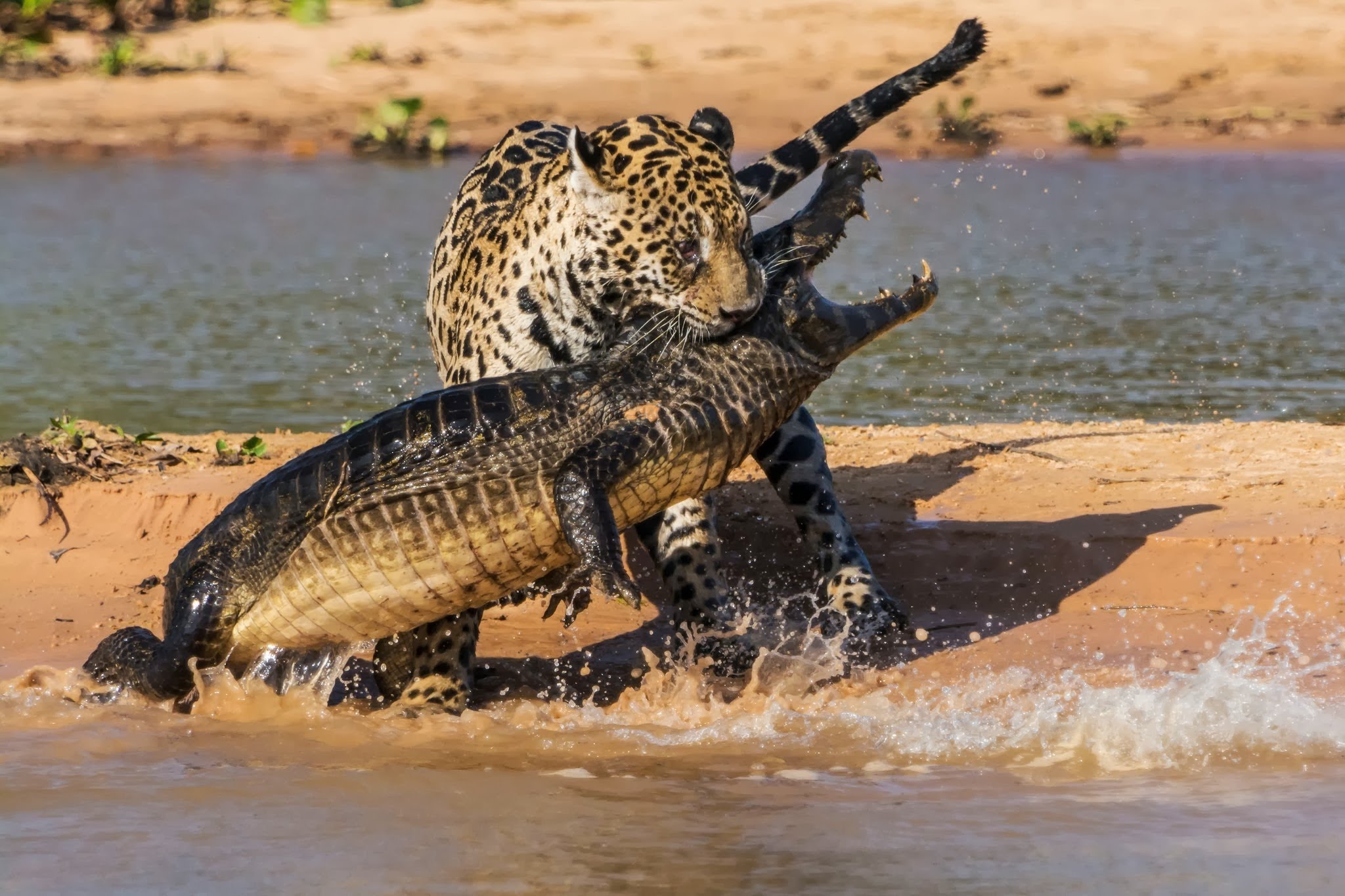
https://www.youtube.com/watch?v=HP-6wG_wZ8A
Task
We will be learning about and discussing animals and their habitats in Reading, Writing, and Science.
Reading: We will kick off the new Reading unit with a story called One Small Place in a Tree which talks about the importance of habitats for a variety of animals.
Writing: Have you ever heard of the Who Would Win? Animal face-off books? Well, guess what? You get an opportunity to write your very own version! You will be writing an opinion paper about which animal you think would win in a fight and practice providing reasons to back your opinions.
Science: You and a partner will be collecting information about a particular animal. You will need to become an expert on your animal's habitat, what it eats, and its characteristics. After you have collected all of your information on your recording sheet you and your face-off partner will compare your animals in a Google Slides presentation. At the end of the presentation a face-off winner will be crowned!
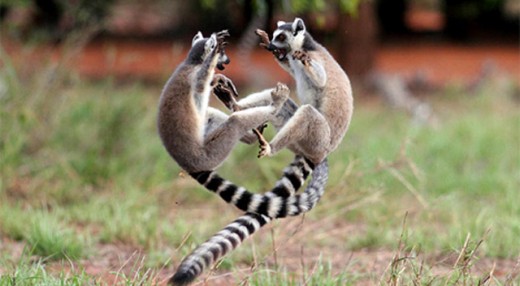
Process
Use the websites below to collect information on your animal and its habitat. Don't forget to explore the WWF Together and Ecosystems HD apps as well for more information.
Animal Websites:
http://animals.nationalgeographic.com/animals/
http://www.kidsplanet.org/factsheets/map.html
http://www.animalfactguide.com/
http://www.defenders.org/animal-habitat-factsheets
Habitat Websites:
http://www.bbc.co.uk/nature/habitats
Deserts
• http://www.defenders.org/desert/basic-facts
• http://worldwildlife.org/habitats/deserts
• http://www.bbc.co.uk/nature/habitats/Deserts_and_xeric_shrublands
• http://a-z-animals.com/reference/desert/
Mountains
• http://worldwildlife.org/habitats/mountains
• http://www.bbc.co.uk/nature/habitats/Mountain
• http://a-z-animals.com/reference/mountains/
Polar Regions
• http://worldwildlife.org/habitats/polar-regions
• http://inchinapinch.com/hab_pgs/polar/polar.htm
• http://www.bbc.co.uk/nature/habitats/Polar_region
• http://a-z-animals.com/reference/polar-regions/
Oceans
• http://www.bbc.co.uk/nature/habitats/Pelagic
• http://ocean.nationalgeographic.com/ocean/critical-issues-marine-habitat-destruction/
http://wwf.panda.org/about_our_earth/ecoregions/about/habitat_types/habitats/oceans/
• http://www.kids-world-travel-guide.com/ocean-facts-for-kids.html
• http://www.defenders.org/marine/basic-facts
• http://a-z-animals.com/reference/oceans/
Grasslands
http://environment.nationalgeographic.com/environment/habitats/grassland-profile/
• http://www.defenders.org/grasslands/basic-facts
• http://worldwildlife.org/habitats/grasslands
Freshwater
• http://worldwildlife.org/habitats/freshwaters
• http://www.mbgnet.net/fresh/index.htm
• http://kids.nceas.ucsb.edu/biomes/freshwater.html
Rainforest
http://environment.nationalgeographic.com/environment/habitats/rainforest-profile/
• http://www.sciencekids.co.nz/sciencefacts/earth/rainforests.html
Evaluation
Opinion Writing Rubric:
Google Slides Presentation Rubric:
*Please make sure to turn in your recording sheet EVERY DAY so that you do not lose it. This sheet will be collected for a grade at the end of the project.