
Introduction
Welcome Year 10 historians!
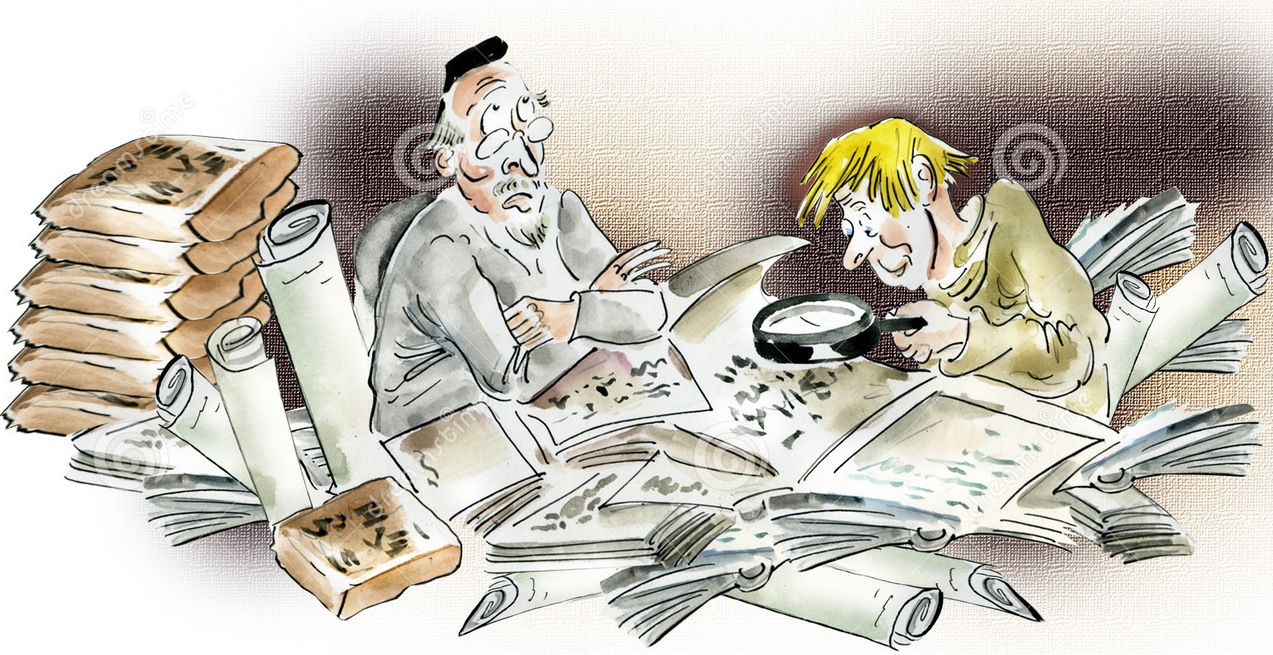
As part of our depth study Rights and Freedoms, you must prepare to use your investigative powers to explore the impact of the forced removal policies on Indigenous Australians and the 2008 National Apolgogy. This activity is about reflecting on how you feel as you work your way through the evidence within webquest over the next two lessons...
Task
The Australian National University has found that group-based guilt for past treatment of Indigenous Australians, results in support for reconciliatory actions such as the 2008 National Apology, delivered by then Prime Minister, Kevin Rudd.
You are required to reflect upon different sources of information about the impact of past policies on Indigenous Australians.
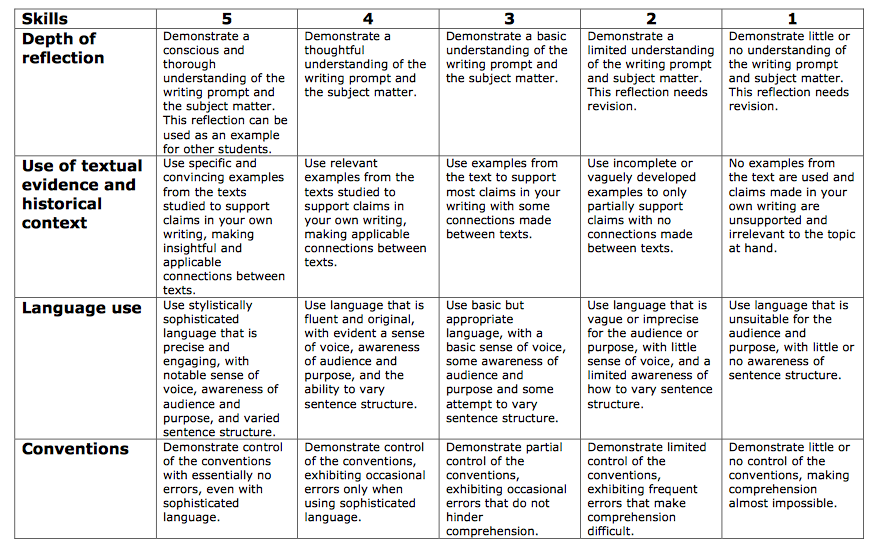
We are each going to create a creative piece of writing (500 words) explaining how you might feel if someone removed you from your community!
Keep the key task in mind as you work your way through the process - I look forward to reading your entries! If you're feeling creative you might want to include some pictures but keep in mind all work must be your own.
Process
Indigenous Australias were devestatingly impacted by European colonisation, many Indigenous Australians were killed in conflicts over land or by disease brought to Australia through the colonisation and settling process. Language and clan groups were decimated and from the late 1880s until the 1970s, approximately 100,000 Indigenous children were forcibly removed from their families and communities, today these people are known as the Stolen Generations. The effects of removal policies towards Indigenous Australians still resonate today.
Listen: Testimonies
- Choose three testimonies and listen to their stories
- Take note of the key points that stand out to you
Read and Reflect: National Apology
- How does the National Apology make you feel? You may want to read the transcript or listen to the audio more than once
- Why might the apology have been significant to some but not adequate for others?
- Write your response in an honest manner
Read and Reflect: Apology was a mistake
- Why might John Howard have avoided apologising during his time as Prime Minister?
- What might John Howard have meant when he stated that the aplology ran the risk of people thinking they had "ticked the box", on action to redress the problems of Indigenous Australia?
Create: Imagine you have been removed from your home or community by an unknown group of people and placed far away with no way to contact your loved ones. Write a 500 word journal entry and identify the following:
- How would you feel if you were forced to learn another language and new customs?
- What would you miss most about your community? (language/culture/lifestyle/material possessions)
- Imagine how you would feel 50 years later. Who would you blame, the persecutors? Their ancestors? Would you want an apology? Why?
Evaluation
Conclusion
Great work Yr 10 historians!
I hope you have developed some skills of perspective and interpretation as you attempted to reflect on what it would feel like to be forcibly removed from your home and community.
Sadly many Indigenous Australians suffer from the intergenerational long term effects of forced removal.
It can be difficult to learn about the atrocities of the past but acknowledging them is a key part of the reconciliation journey and will help to inform your own inclusive practice.
Credits
Australian Curriculum Assessment and Reporting Authority (ACARA) 2014, History, viewed 14 August 2014, <http://www.australiancurriculum.edu.au/humanities-and-social-sciences/h…;
Australian National University 2013, Group-based guilt and apology in Australia, viewed 14 August 2014, <http://sciencewise.anu.edu.au/articles/sop-guilt>
Australian Government 2014, Apology to Australia's Indigeous peoples, viewed 2 August 2014, <http://australia.gov.au/about-australia/our-country/our-people/apology-…;
Davies, A 2008, Apology was a mistake, says fiesty Howard, Viewed 14 August 2014, <http://www.theage.com.au/articles/2008/03/11/1205125911264.html>
The Stolen Generations' testimonies 2014, The testimonies, viewed 2 August 2014, <http://stolengenerationstestimonies.com/index.php>
Teacher Page
This webquest was created by April Bickley to encourage students to think about perspectives and to reflect upon the impact of forced removal policies on Indigenous Australians.
This webquest will ask students to view a variety of different sources, as part of an investigation relating to the historical Depth Study Rights and Freedoms (ACARA 2014), and the inclusion of 'collective guilt' as an issue in the study of Australian history.
Students will engage in testimonies and draw from multiple sources in order to come to their own conclusions, whilst reflecting upon the struggle of human rights in a creative and self reflective manner.
Students will be encouraged to work independently and their participation and notes, along with the final product, will be used to assess their overall achievement of the task. Students will have two lessons; both of which will be double modules to complete this webquest.
This webquest activity constitutes formative assessment and students should be given a chance to touch up their work for homework, before submission.