Introduction
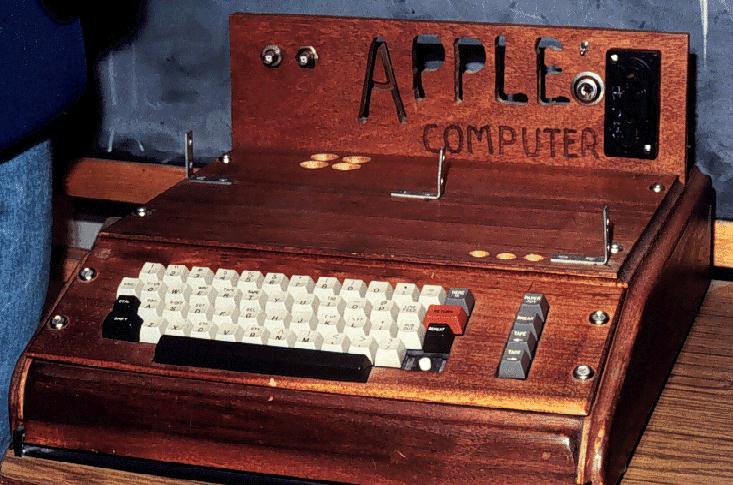
IMPORTANT: Read through all of the information before you begin. You will lose 5 points for each question you ask me that has its answer on this page.
Computers and computer use have become part of our everyday routines. Aside from writing papers, playing games on the Internet, and Instant Messaging your friends, how much do you REALLY know about computers?
This investigation will take you back in time to explore the history of computers. Using the provided links you will learn about the first computer (is it really a computer?), and will learn some key names associated with the development of computers. You will also voyage into the middle of a computer to learn about its parts and their functions. By the end of you investigation you will become more familiar with computers and will be able to apply you newly attained knowledge into daily computer use.
Computers are an exciting feature of the modern day society and they're not something that new. They've been around before the 70's, but never have they been so dominant in our society as they have in the 21st century. The history of computers goes back only a few decades, and it's amazing how far the industry has progressed in such a short period of time. As we move into the future, we tend to forget about the important past.
Computers have become such an integral part of our lives that we take them for granted. Computers help us work and play. They have been incorporated into almost everything we own -- our cars, televisions, microwave ovens, medical devices, etc. Where did these wonderful machines come from? Who invented them? What are some of the changes that have taken place over the years? How did they become so important to us? Why are they so much a part of our lives today?
Task
Set up answer sheet.
1. Open a new word document.
2. Save as: your assigned number - History of Computers.
3. Create a header: Name and Date
4. Begin assignment. Label sections of the assignment appropriately. (i.e. Part A, Part B)
5. Only writing the answers will be acceptable, however, they must be in complete sentences.
Process
Part A: History of Computers
Answer the following questions in complete sentences. Use the following website to find the answers.
The Computer Museum History Center
A Home to one of the world's largest and most important collections of computing artifacts, the result of a preservation effort begun in 1974. http://www.computerhistory.org/timeline/
1. What is considered to be the first computer?
2. When was the first computer created?
3. Who were the key players in developing the first computer?
4. When was the first home computer invented?
5. What were the names of the first personal home computers? (Hint: There were three.)
Part B: Elements of Computers
Answer the questions below in complete sentences for each of the following elements. The names of the person/ company is linked to sites where you can find the answers for the questions. (Click on the element open the site.)
Charles Babbage Apple Computer Compaq
Konrad Zuse Paul Allen Hewlett -Packard
Grace Hopper Steve Jobs Steven Wozniak
Bill Gates Ken Thompson and Dennis Ritchie
1. Who was this person/company?
2. What did this person/company accomplish?
3. When did this person/company attain their accomplishment?
4. How did this person/company affect the computer industry?
Part C: Components of Computers
Answer the questions below in complete sentences for each of the key components of a computer. Use Google Search to find the answers to the questions.
|
Motherboard |
Microprocessor |
BIOS |
|
Chip set |
Modem |
Drive Bay |
|
Network |
ISP |
RAM |
|
CPU |
Operating System (OS) |
Blue Tooth |
|
DOS |
LINUX |
Google Chrome |
1. What it is?
2. What does it do?
3. What function does it perform in a computer?
Part D: Components of Computers
Answer the following questions in complete sentences.
1. Have computers improved or degraded your life? Give two examples to support your response.
2. Have humans developed a dependency on computers that is good or bad? Give two reasons to support your response.
3. In 1977, Kenneth Olsen, president and founder of Digital Equipment Corporation, said, "There is no reason for any individual to have a computer in their home." How have our impressions of computers changed since then? Explain.
Conclusion
You have navigated the Internet and conducted research by viewing online videos and reading web pages on the advancements of the modern computer. As a result of your research and completing the assigned tasks you should be more familiar with the development, trends, major inventions and the inventors that played a role in the development of the computer. You should also be familiar with how computers have been used in society and the significant role they play in our lives. Because of your knowledge you can now make predictions on what you think the computers of tomorrow will look like (or at least the trends) and how future generations will use them.