Introduction
 Introduction
Today you will write a short poem using new types of figurative language. There will be a few practice activities to make sure you understand these new types of figurative language.
Lesson
Here is a definition and example of each new type of figurative language.
METONYMY: the name of one thing is used instead of the name for another thing, substituting a different name for a thing.
e.g. Can you give me a hand? (Can you give me some help?)
e.g. The redcoats are coming! (The British soldiers are coming!)
ALLUSION: An indirect reference to a person, place or thing
e.g. I was surprised that his nose was not growing like Pinocchio’s after he lied! (A reference to Pinocchio whose nose grows when he lies)
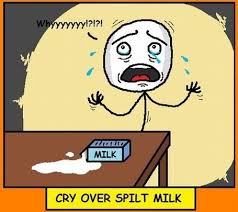
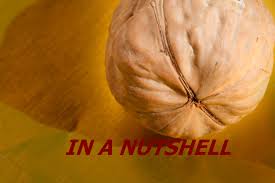
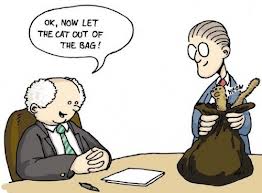
IDIOM: Has a different meaning to what it says
e.g. beating about the bush (meaning avoiding something and not beating a bush)
e.g. I hope we are all on the same page about this! (Meaning; I hope we are all up to the same stage of thinking about this!)
LITOTE: understate something in order to convey an opposite meaning; similar to modesty.
e.g. “Wow! I can’t believe you did that!”. “ Oh, it was nothing” (it was something; this person is trying to convey an opposite meaning)
IMAGERY: The specific words or phrases that a writer uses to create a strong image in the readers mind.
e.g. The eerie silence was shattered by her piercing scream ( very descriptive, creates a mood)
IRONY: Often used to convey the opposite meaning of a word or it can be used to show the opposite of the expected outcome of a situation.
e.g. The titanic was promoted as 100% unsinkable but in 1912 it sank on its maiden voyage (this is not the outcome you would expect)
e.g. "Don't go overboard with the gratitude!" (sarcasm can be a form of irony)
SYNECDOCHE: part of something is used to refer to the thing as a whole
e.g You've got a nice new set of wheels ('wheels' is part of a car and a car is the whole so 'wheels' is refering to a car)
Task
TASK AND PROCESS
create a short poem on 'word' using one example of each new type of figurative language. Use the planning sheet and then write your poem. After you've written your poem submit it to my folder. You will find the planning sheet in : Room 21> Year 7 2014 > Students> Jasmine > PLANNING SHEET. Don't forget that I am judging/marking your poem. 
Evaluation
I will judge your poems on how interesting the examples are, how clever they are, whether they are correct or not , whether they are copies of mine or not, and most importantly; does your poem flow. If they are copies of mine, you will get a zero.

Conclusion
CONCLUSION
Now you have learnt a few more types of figurative language! figurative languafe is a very important part of every peice of writing. If you complete this lesson before the end of class, go to one of the games that are hyperlinked below.
First Game: Try out this baseball game.
Second Game: Click this to play another game
Third game: If you don't like the other two, try this one.
The image below is a pun (another type of figurative language)
Credits
This web quest was craeted by Jasmine.