
Introduction
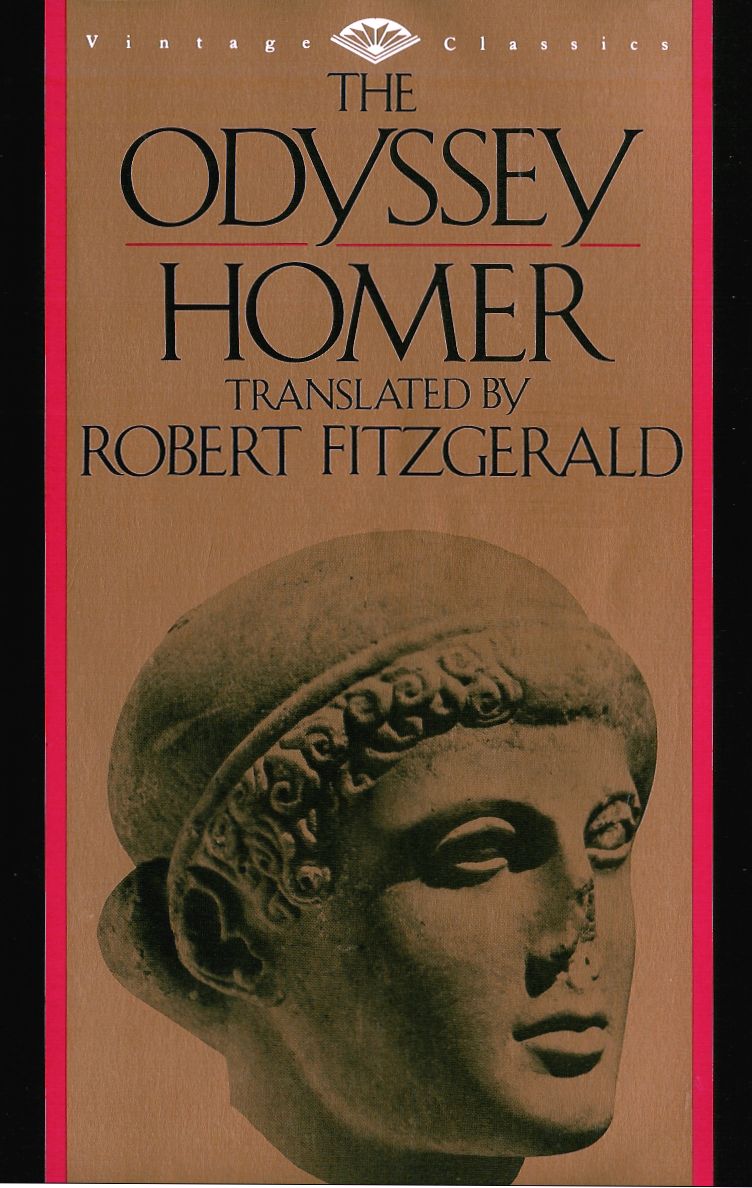
For the past few weeks, you have been reading "The Odyssey" by Homer. You have learned a lot about classical literature, epic form, and what the Greeks valued. For this webquest, you will be asked to utilize this knowledge along with the knowledge you gain from reading two other forms of oral tradition and other resources to demonstrate your knowledge of epics and cultural values. These other forms of oral tradition will give you a look into other cultures and help you as you utilize the resources given, along with your own creativity, to create a new land with a new hero who will travel through his own classical epic.
Task
Please complete the following tasks. More information can be found in the process part of the webquest.
1. You will be assigned 2 culturally different fairy tales, folk tales, myths, or legends from the stories provided in class.
2. Read each story with your group.
3a. For each story, determine if it is a fairy tale, folk tale, myth or legend and write one paragraph explaining why.
b. Write one paragraph about how each protagonist character in each story compares with Odysseus, our epic hero from The Odyssey. How are they similar? How are they different? (2 paragraphs total)
4. Find 2-3 pieces of art that depict the culture of each story. How does this art work compare to the values that are shown through each story? For example, do they focus on war or harmony? Strength or intelligence? These values often come across in a culture's artistic expression.
5. Using your knowledge of the elements of an epic, compare your stories to a Greek epic. How does culture play a role? What is valued by these cultures in comparison to the Greeks?
6. Using the elements of an epic, create an epic that is set in a new land with its own set of values and culture. Create at least two props and/or come in costumes that help depict the setting and culture of your epic. Create at least one piece of art that depicts your new epic hero.
7. Memorize your epic and present it to the class.
Process
Please complete the following tasks.
Task #1: Gather the 2 fairy tales, folk tales, myths, or legends assigned to your group from the stories provided in class.
Task #2: Read each story with your group.
Task #3a: For each story, determine if it is a fairy tale, folk tale, myth or legend and write one paragraph explaining why. Be sure to describe the distinct features that make the work a fairy tale, folk tale, myth or legend. Check out the links below to help you.
b. Write one paragraph analyzing how the character attributes of each protagonist in each story compares with Odysseus, our epic hero from The Odyssey. Be sure to identify the similiarities and differences between an epic hero and a protagonist. (2 paragraphs total)
http://library.thinkquest.org/05aug/00212/monomyth.html
http://www.pbs.org/moyers/faithandreason/perspectives1.html
Task #4: Find 2-3 pieces of art that depict the culture of each story. How does this art work compare to the values that are shown through each story? For example, do they focus on war or harmony? Strength or intelligence? These values often come across in a culture's artistic expression. Feel free to research your culture on your own or use the links below to get you started.
Norse mythology: http://www.pantheon.org/areas/mythology/europe/norse/articles.html
You may use the gallery from Myths and Legends if you are assigned a myth or legend from the website: http://gallery.nen.gov.uk/gallery80-myths.html
The Met Around the World- artwork from different countries: https://www.metmuseum.org/met-around-the-world/
Task #5: Using your knowledge of the elements of an epic, compare your stories to a Greek epic. How does culture play a role? What is valued by these cultures in comparison to the Greeks?
http://library.thinkquest.org/05aug/00212/monomyth.html
http://www.metmuseum.org/toah/hd/grlg/hd_grlg.htm
http://www.ancientgreece.com/s/Main_Page/
http://www.windows2universe.org/mythology/greek_family_tree.html
http://www.ancientgreece.com/s/Mythology/
Task #6: Using the elements of an epic, create an epic that is set in a new land with its own set of values and culture. Use the graphic organizers in the first two links to help you organize your ideas. Create at least two props and/or come in costumes that help depict the setting and/or culture of your epic. You may use images found in the third link or from other sources on the internet to help you brainstorm ideas. Create at least one piece of art that depicts your new epic hero. Make sure that your epic follows epic form and has all the elements given to you on your epic notes(refer to the rubric to help guide you).
https://drive.google.com/file/d/0ByicQF0oMw2nTEt2WDZubTVPV1E/edit?usp=sharing
https://drive.google.com/file/d/0ByicQF0oMw2nbENXR01kek1GbWc/edit?usp=sharing
This link has a gallery of pictures you can use to help inspire you as you create your props and/or costumes that will help depict the culture and setting of your epic: http://myths.e2bn.org/create/tool244-image-gallery.html
This interactive link will show you the important parts of a hero's journey. It is similar to your graphic organizer, but feel free to check it out: http://www.readwritethink.org/files/resources/interactives/herosjourney/heros_journey.html
Task #7: Memorize your epic and present it to the class. Have each person in your group memorize an equal portion of the new epic. Present your epic to the class as the classical poets would have (you do not need to sing). You may also use Cube Creator to help organize your information about your epic hero.
http://www.readwritethink.org/files/resources/interactives/cube_creator/
Evaluation
Epic Rubric:
https://docs.google.com/document/d/1-nJcrnIHS-AqzLv3FkK3ksjoOIBPafe2TFxjyk1fcYA/edit?usp=sharing
Presentation Rubric:
https://docs.google.com/document/d/1Dk6LDN_Ri4vvZGUqFjYO_WTK3HSqhkUdzrtdMb3gv4U/edit?usp=sharing
Complete Project Rubric:
https://docs.google.com/document/d/1oAKXGszUN5x-is8MpKr6EuANWj-zEUiFPoYTwmUxfCM/edit?usp=sharing
Conclusion
At the end of this project, you should have a comprehensive understanding about what an epic is, and how classical literature such as epics and myths show us the values of classical Greek culture. You should also have a much better grasp on certain cultural fairy tales, folk tales, myths or legends as you have read and done research on certain characters. Lastly, you will understand the impact of culture on art and writing, and will have reviewed the history of the Greek culture.