
Introduction
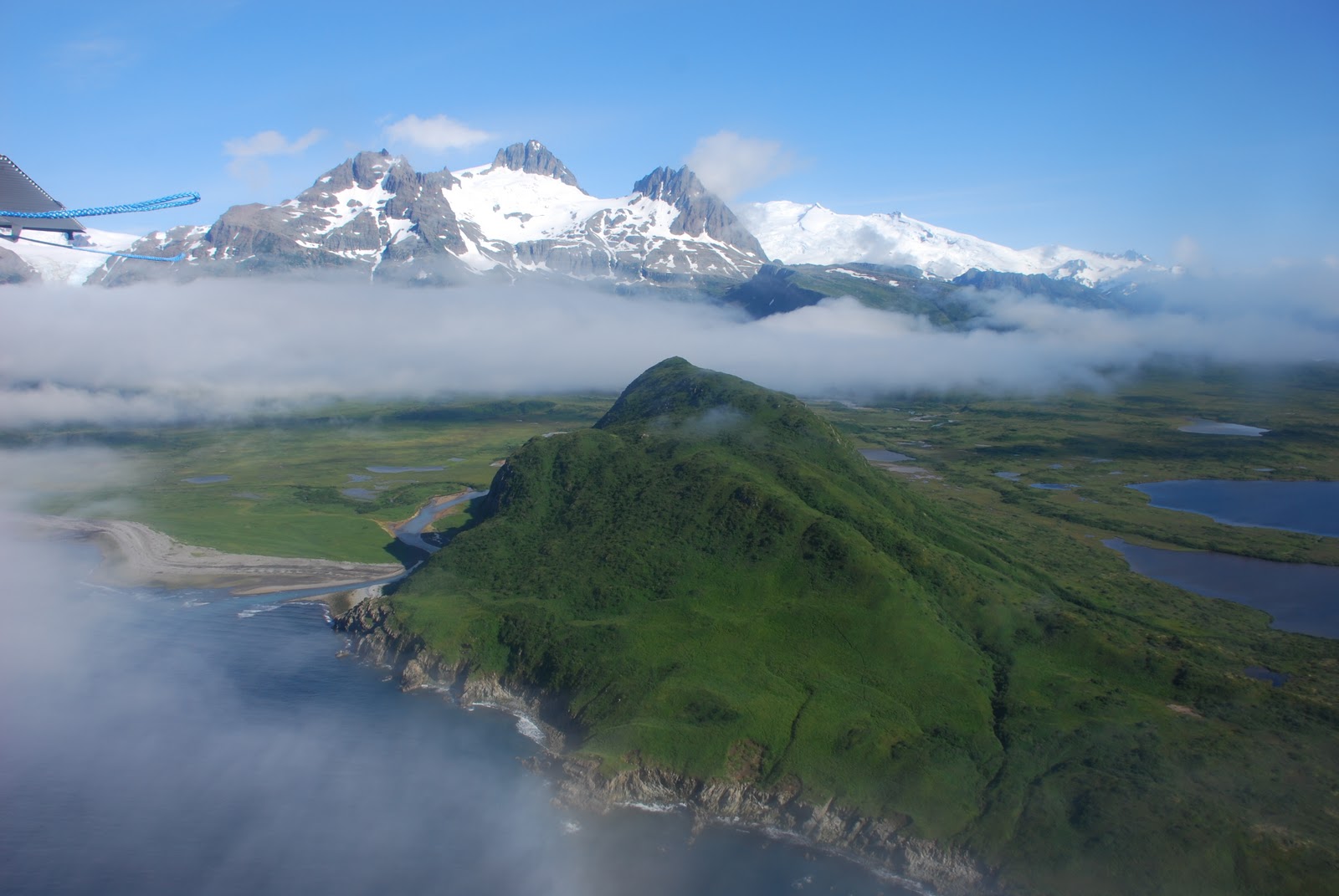
You and your friends have set off on an expedition to explore the Last Frontier! Oh no! You have to make an emergency landing due to your plane had engine failure. Luckily, happens to be near the village of a native Alaskan tribe. Unfortunately, they do not speak much English. The GPS system was ruined in the rough landing and you have no idea where you are to radio for help. In order to survive and find a way home you must befriend the native Alaskan tribe and learn their ways of life.
Task
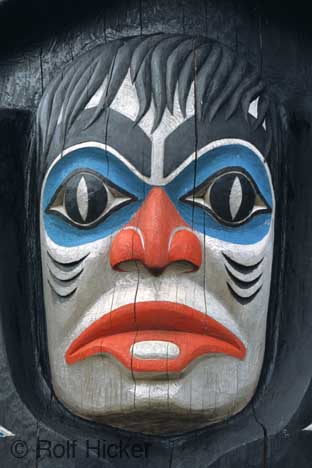
We have been exploring the different cultural traditions of the tribes in Alaska and the significance of their art, more specifically the imporatance of their masks in the cultural ceremonies and traditions.
When you have determined the name of your tribe, your job will then be to learn about masks and how your tribe has traditionally made their masks such as what animals they use and what they generally look like. Compare the mask to that of the other tribes (create a Venn Diagram)
As a thank you gift, you will then construct your own mask together as a group using craft materials. This mask should contain elements that are unique to the members of your group, but should also resemble masks that have been made by your tribe.
Finally, your group will present the mask to the class explaining how it represents your tribe and the members of your group. You should be able to share with the class a basic overview of what you learned about your tribe in explaining your mask, so that they can learn about tribes other than theirs too. You should be able to answer questions about your mask and your tribe for the teacher and the class.
Process
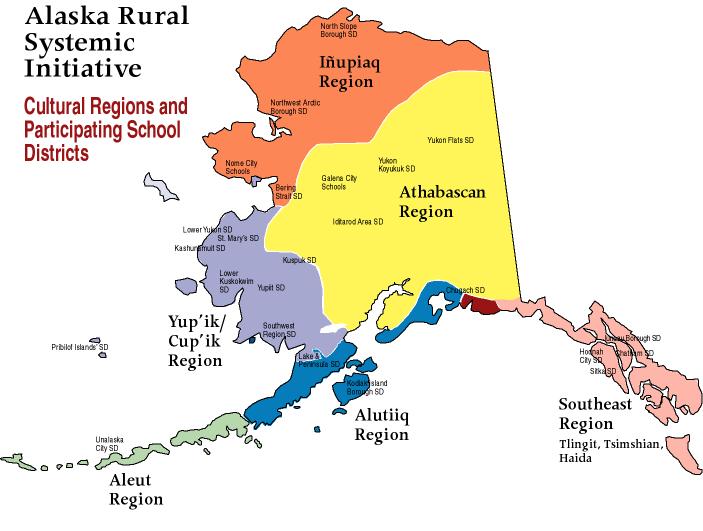
Take a look at the map. What village did your plane land in? Remember knowing where your groups lived will help you understand why their masks are made of certain materials such as wood, ivory, etc.
Research- You may use the sites listed or ones you find on your own to research masks of the various cultures.
Inupiaq:
Yup'ik
Aleut/Alutiiq:

Athabascan:
Tlingit:


Evaluation
|
Category |
4 |
3 |
2 |
1 |
|
Observation and Description |
Makes a thoughtful and complete observation and description of the masks, paying attention to details such as color, materials, animals, etc. |
Makes a detailed description of most of the characteristics seen on the masks. |
Makes a detailed description of some of the mask characteristics, but misses many of the key components |
Observations and descriptions were not done thoughtfully and carefully. |
|
Final Project |
Uses creativity as well as knowledge of Alaskan masks to create a final product that shows effort and thought. Mask contains real components of an Alaskan mask. |
Effort and creativity is evident in the mask and mostly resembles a real Alaskan mask. |
Some effort is evident and the masks contain some of the characteristics of an Alaskan mask. |
Little effort is evident on the mask or there is no mask at all. Mask does not resemble AK native art. |
Conclusion
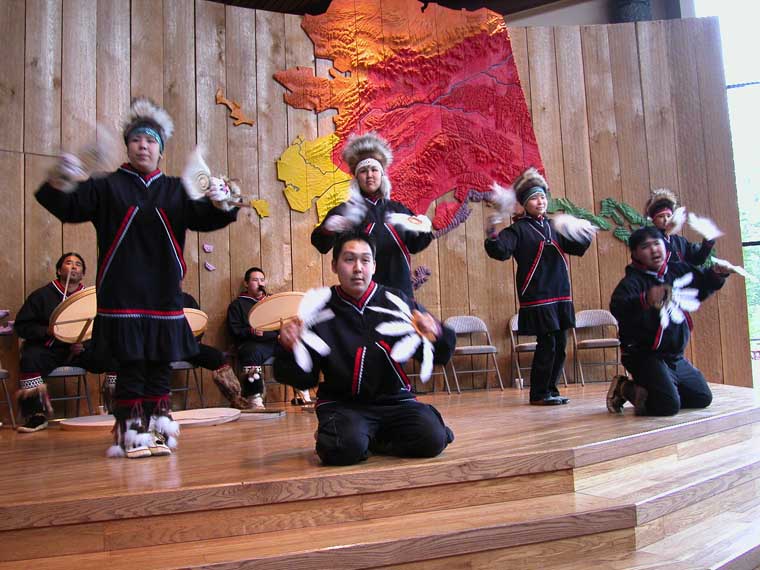
Now, that you have become experts on your group's tribe we will be taking a field trip to the Alaska Native Heritage Center - the site where you found much of your information. You will get a chance to see the shelters, masks, and many other pieces realia of the tribes re-created and get to experience a little bit of what life was actually like for each of these native Alaskan tribes. It will be a fun and exciting trip!
Teacher Page
This unit was designed for the children to learn the cutlural significance of the Native Alaskan Art. They will learn that the masks created across Alaska by different groups have similiarities and differences.
Culturally Responsive Standards:
A.Culturally-knowledgeable students are well grounded in the cultural heritage and traditions of their community.
7. determine the place of their cultural community in the regional, state, national and international political and
economic systems;
B.Culturally-knowledgeable students are able to build on the knowledge and skills of the local cultural community as a foundation from which to achieve personal and academic success throughout life.
2. make effective use of the knowledge, skills and ways of knowing from their own cultural traditions to learn about the
larger world in which they live;
E. Culturally-knowledgeable students demonstrate an awareness and appreciation of the relationships and processes of interaction of all elements in the world around them.
- recognize and build upon the inter-relationships that exist among the spiritual, natural and human realms in the world around them, as reflected in their own cultural traditions and beliefs as well as those of others;
Art Standards
A. student should be able to create and perform in the arts.
3) appropriately use new and traditional materials, tools, techniques, and processes
in the arts;
4) demonstrate the creativity and imagination necessary for innovative thinking and
problem solving;
5) collaborate with others to create and perform works of art;
6) integrate two or more art forms to create a work of art;