
Introduction
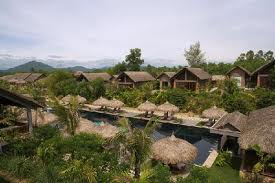 The Earth's population is over 7 billion people. The planet is at breaking point - too many people drawing on a limited environment. Luckily, help is at hand.
A new world is being developed - starting with a village.
The population of this village in the new world will be only 100 people.
And guess what - you are one of them.
You have been commissioned to design a new village. But first, view the You Tube clip: If the world was a village of 100 people by Dr Maureen Cullen. Think about the community in this world of 100.
Task
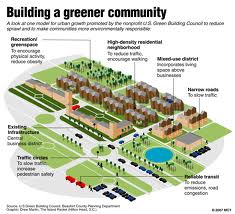 You and your planning partner have been asked to design a village that will accommodate 100 people. It must be eco-friendly, use sustainable resources and be liveable.
The village must encompass the liveability factors that we discussed and investigated in class. For example, environmental quality, social connectedness and safety. Check your Geography book for ideas, including your liveability survey.
The basic requirements needed are:
1. Infrastructure (power, water, sewerage)
2. Health services
3. Education
4. Facilities (shops, services, recreation)
5. Safety (crime prevention)
6. Environment (access to open spaces)
Your project needs to have the following components:
1. Planning and development (in Geography book)
2. Labelled aerial view/plan of your village (A3 paper) including a key and the name of your village
3. Members of your community - what jobs/skills will the 100 people have? (A4 paper)
4. An advertising insert for a magazine/newspaper - promoting your village as the future for sustainable living (A4 paper)
Process
1. Pre-planning: view the following sites for ideas:
http://www.miniature-earth.com/
http://education.nationalgeographic.com/education
2. Planning and development: with your project partner, start planning your new village using a MIND MAP which outlines the main points of your new village. Use the task headings to help you! This needs to be completed in your Geography book - both team members need a copy!
3. Labelled aerial or bird's eye view / plan of your village: do this on A3 paper. This plan will show what the village layout will look like, where all the facilities are, types of dwellings, parks, recreation, health services, sustainable features, etc. Include a KEY, NAME of YOUR VILLAGE and a scale. Once finished, glue this A3 sheet onto the front of a poster board.
4. Community members: you have 100 people living in your village. Include a summary of the cross section of your community - what roles/jobs/services will they do or provide? You don't need to name them but you do need to make some decisions about the types of people needed in your village to make it liveable. (For example, 5 electricians who can supervise the running of the mini wind turbines; 2 teachers; 6 medical staff...etc) Complete this on A4 paper and glue to the back of your poster board.
5. Advertising campaign: design a creative, eye catching advertisement which can be placed in National Geographic. Your ad will promote your newly designed village. Do this on A4 and glue on the back of your poster board.
6. Sharing time: once you have finished the above, you will present your village to the panel who will vote on the best village, according to the liveability scale discussed in Term 1.
Evaluation
Evaluation of this task is as follows:
1. Planning and development: 10 marks
2. Rubric #1: Making a poster: 100 Village ( 24 marks)
3. Rubric #2: Collaborative Work Skills: 100 Village (36 marks)
4. Oral presentation: Rubric #3: Peer assessment: (30 marks)
TOTAL: 100 marks
Conclusion
At the end of this assignment, you and your project partner will have:
- worked collaboratively to pose questions, solve problems, negotiate learning and organised an equal work load
- understood what makes a place liveable
- made decisions about sustainable living - the difference between a need and a want
- produced a high quality piece of work
- presented your work in front of an audience
- participated in peer assessment and review
Credits
- You Tube: If the World was a village of 100 people - Dr Maureen Cullen
- Web sites - as listed in webquest
- Idea from The Miniature Earth Project
- Images: Google images