Introduction
A WebQuest for English II, 10th grade students
Unit 5: Fate vs. Freewill
By: Brittany Monaco
crf_monacobm@cuchicago.edu

Macbeth by William Shakespeare
As we prepare to read the play Macbeth, you will be working with your group members to learn about
-
The author’s background
-
The inspiration of the play
-
Themes of the play
-
How to read Shakespeare/Iambic Pentameter
-
Make inferences about the plot
Task
Standards:
CC.K-12.SL.4 Presentation of Knowledge and Ideas: Present information, findings, and supporting evidence.
CC.K-12.R.R.1 Key Ideas and Details: Read closely to determine what the text says explicitly and to make logical inferences from it.
CC.K-12.R.R.7 Integration of Knowledge and Ideas: Integrate and evaluate content presented in diverse formats and media, including visually and quantitatively, as well as in words.
Lesson Objective: Students will conduct collaborative research to gain knowledge on William Shakespeare, his career-related background, and his inspiration for and style of writing in order to make inferences about the play before we begin reading.
Directions: You and your group members will have two class periods to finish all five stations.
For each station, make a copy of the station document (hyperlinked as the title).
Read the station's directions and complete the guiding activity together.
Process
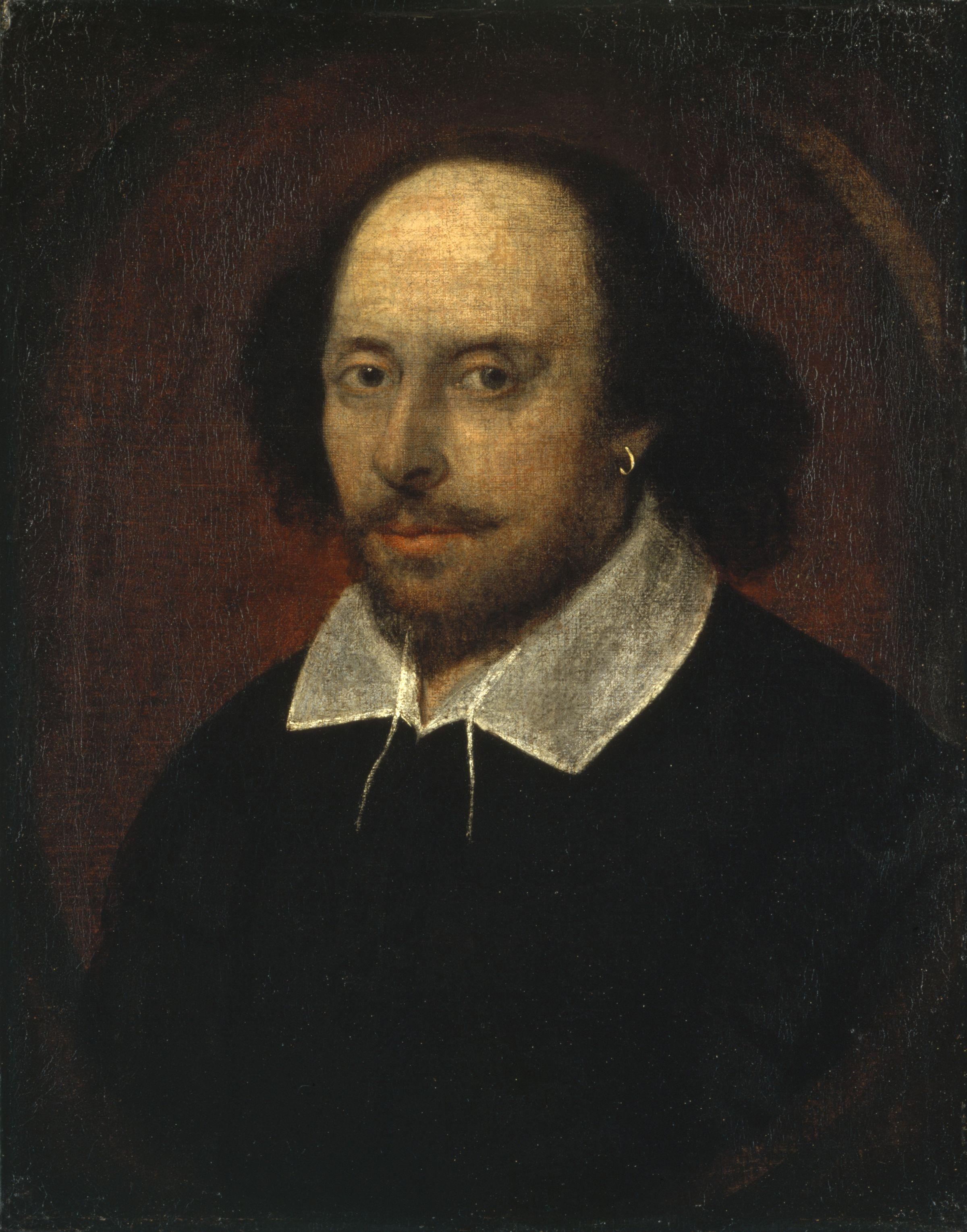
Station 1: Shakespeare’s Background
Part I: William Shakespeare
Directions: To better understand the background and life of William Shakespeare, play the myShakespeare video, then respond to the following questions.
https://myshakespeare.com/files/myshakespeare-shakespeares-life
Part II: The Globe Theater
Directions: Click on each link. Explore the Globe Theater.
http://www.william-shakespeare.info/william-shakespeare-globe-theatre.htm
https://www.shakespearesglobe.com/discover/about-us/globe-theatre/#history
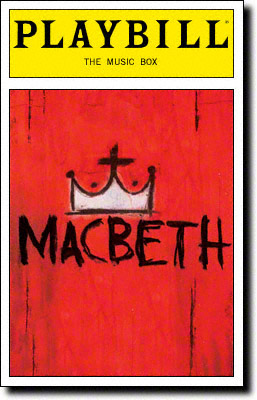
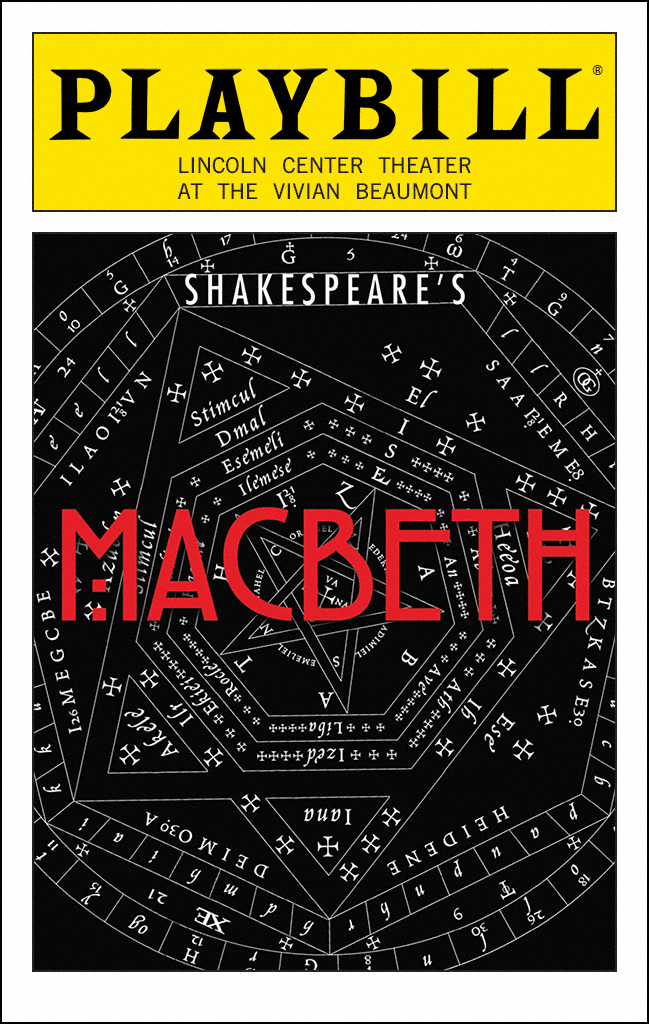
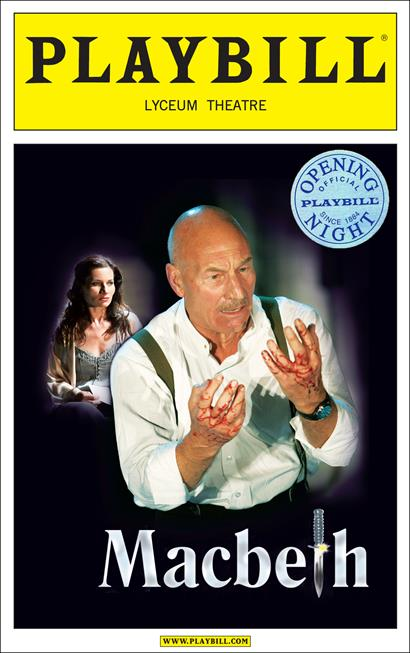
Station 2: Symbolism and Predictions
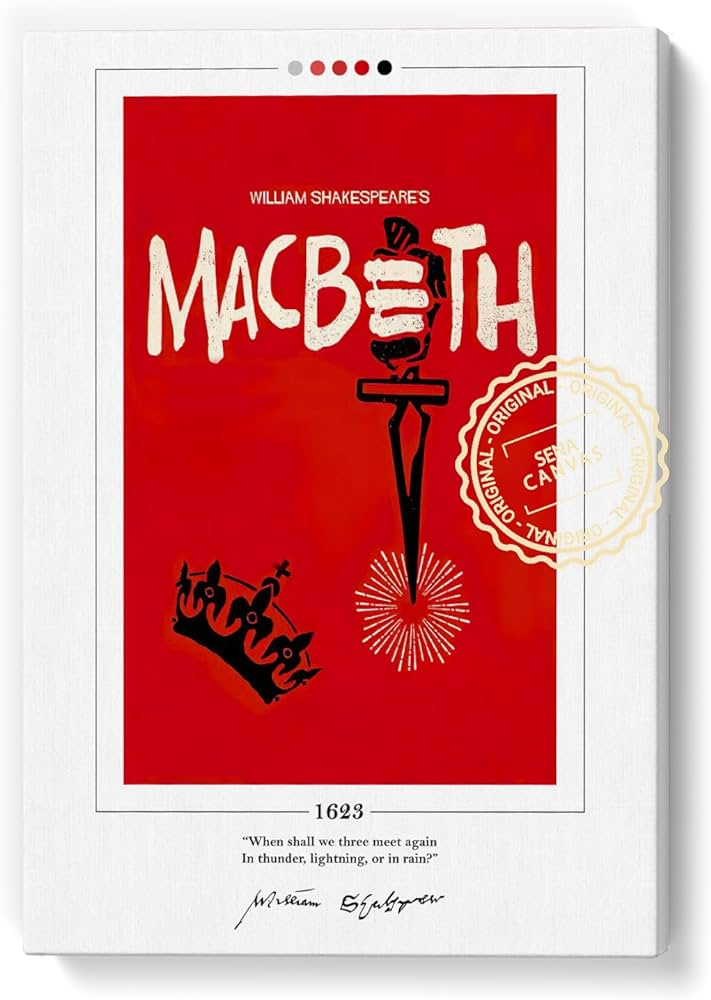
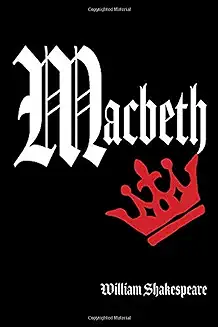
Directions: PREVIEW the playbills in the attatched document. Using color connotations and imagery on the cover, PREDICT what the overall mood or plot for the play will be. After that, discuss which cover is your favorite and why.

Station 3: Welcome to the Play
Part I: Welcome to the Play
Directions: To better understand the background and inspiration for Shakespeare writing the play, watch the myShakespeare videos, then respond to the following questions.
https://www.youtube.com/watch?v=eJns8gO_6Aw&t=2s
https://www.youtube.com/watch?v=BZz1C44j6CY
Part II: The Supernatural
Directions: To better understand a text, you need to first grasp the context. Watch the myShakespeare video then SUMMARIZE the context by answering the questions. Watch https://www.youtube.com/watch?v=KvaZd3OmPNA
Station 4: Words to Know & Shakespearean Dialogue
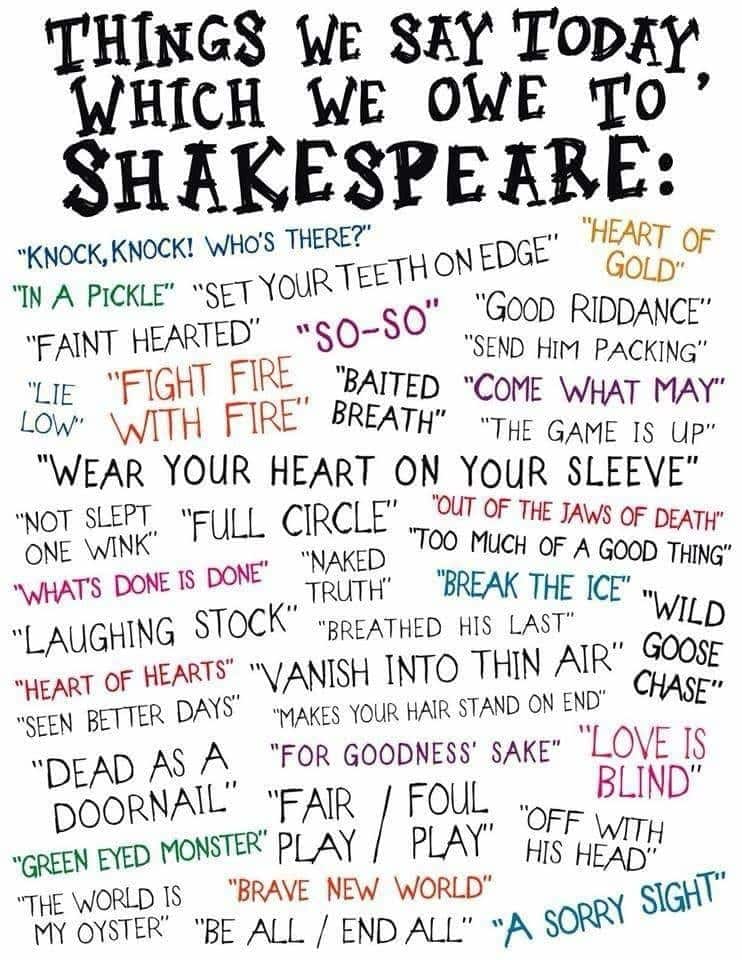
Part I: Shakespeare is Everywhere
Directions: Watch the following video. Take notes of clips and/or words you and your group members are familiar with.
https://www.youtube.com/watch?v=lv4fWhObaTM&t=8s
Part II: Iambic Pentameter
Directions: Watch the following to understand the rhyme scheme of Shakespeare's plays.
https://www.youtube.com/watch?v=v0aAWuUX5jU&t=223s
Part III: Word Application:
Directions: Using the “Words to Know” guide on the left of the attached document, write the following statements/questions in Shakespearean form.

Station 5: Anticipation Guide
Part I: Directions: The following statements are designed to get you thinking before we delve into the text of Macbeth. For each statement, state whether you agree or disagree with the statement. Discuss your responses with your group members.
Part II: Directions: (Independent Completion) Choose one statement from the list you feel most passionate about.
Respond in complete sentences justifying why you agree or disagree.
Please be sure to be appropriate and respectful of others’ opinions.
Your response should be at least seven (7) sentences in length.
Evaluation
Macbeth Pre-reading Stations Rubric
|
5- Exemplary |
3- Meets Standards |
1- Needs Improvement |
|
|
Content |
Student synthesized acquired information by utilizing provided sources. Student demonstrates understanding of the author’s background and made inferences of the text. |
||
|
Content |
Each station was completely and thoroughly completed and clearly indicated the student understands objectives and content of the station. |
||
|
Collaboration |
Classroom time was used to work on the project. Conversations were not disruptive and focused on the work. Student actively contributed to group efforts. |
Conclusion
Now that you have completed the pre-reading stations, consider how William Shakespeare's child and adult-hood may have influenced his writing. Also, consider the time period in which he wrote and how historical events inspired his writing.
Let's factor this into the inferences of the play based on the playbill covers and anticipation guide statements.
To conclude, consider how the following themes may be prevalent in the text:
-
Power
-
Ambition/Greed
-
Fate/Freewill
-
Responsibility
-
Gender Roles

Credits
Credits:
Google Images
Youtube
myShakespeare
Shakespeare's Globe
Teacher Page
Background:
This Webquest was created for 10th grade students as an introduction to their study of the play Macbeth by William Shakespeare. As a conclusion to their sophomore year, students have explored ways in which others both forcibly and implicitly form one’s identity. Now, students will grapple with another layer: fate.
Essential Questions:
-
In what ways can we control our identity? Do we have control at all? (exploring facets of power, fate, and free will)
Unit Goals:
-
Students will be able to keep track of changes in characters (and motive) distinguishing between static and dynamic characters.
-
Students will be able to develop an argument and cite textual evidence to support the claim.
-
Students will be able to interpret Shakespearn language and reenact portions of the play emphasizing tone and mood.
-
Students will be able to instruct peers on commonly mistaken words and phrases, as well as, new vocabulary words to broaden in vocabulary.