Introduction
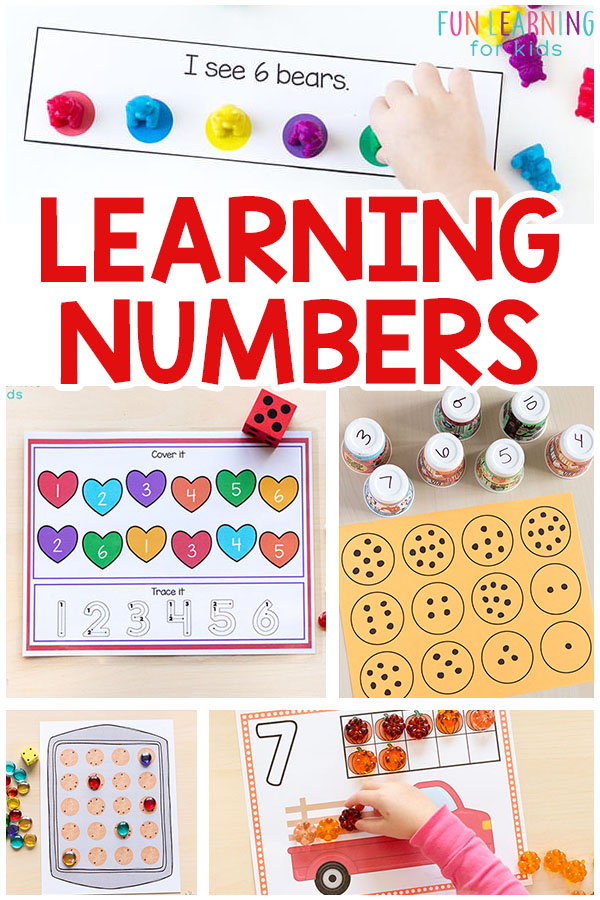
Learning Numbers is FUN!
Kids love learning through play. When we try to teach numbers to kindergarten, we must make it interesting so kids enjoy learning. Let us take a look at these interesting ways on how to teach numbers to preschoolers.
At the end of this lesson, kids will be able to:
- Identify, count and write numbers;
- Matches numeric, alphanumeric names, and numbers, including zeros;
- Improve understanding of the sequence and how all numbers are made up of combinations of the same digits 0-9.
Task
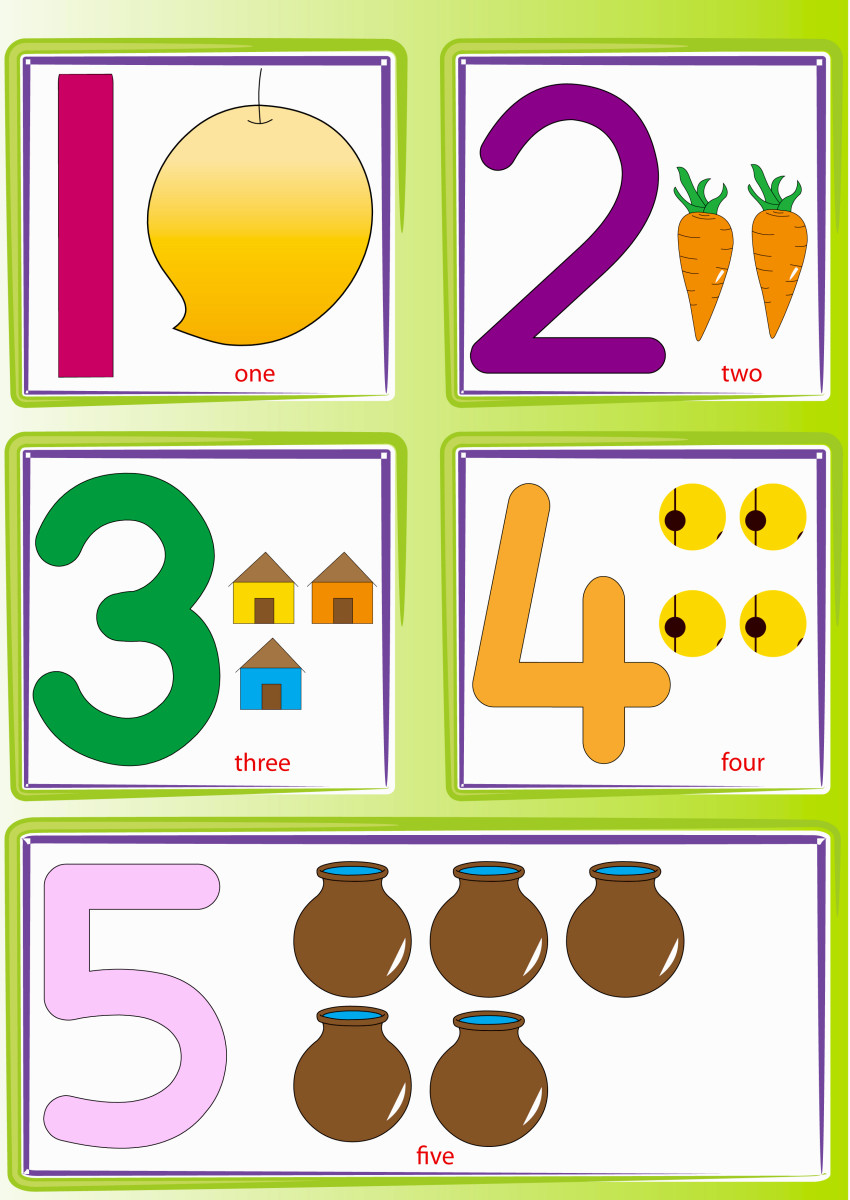
Number recognition worksheets can be a fun and interesting way to help preschool and kindergarten kids learn their numbers. Learning the letters of the alphabet and the numbers are among the early exercises that small children need to do. Number recognition worksheets that are well laid out, attractive and interesting for kids would help them sustain interest in the activity for a longer time.
Before using number recognition worksheets, see the following first:
1. Children need to get used to the 'sound' of the numbers, i.e to recognize the spoken 'one', 'two' etc. Singing aloud to them number rhymes such as 'one, two, buckle my shoe', 'one, two, three, four five.." etc would get them used to recognizing the 'sound' of each number. You can slowly recite the numbers 1 to 5 at first and so on.
2. Try to relate numbers to everyday things, like you can show them one banana, two biscuits etc. Initially start with just one and two, later on, you can progress one by one.
3. Then you can help them relate the number to the symbol, i.e the written 1,2,3s.
Process
Number tracing worksheets
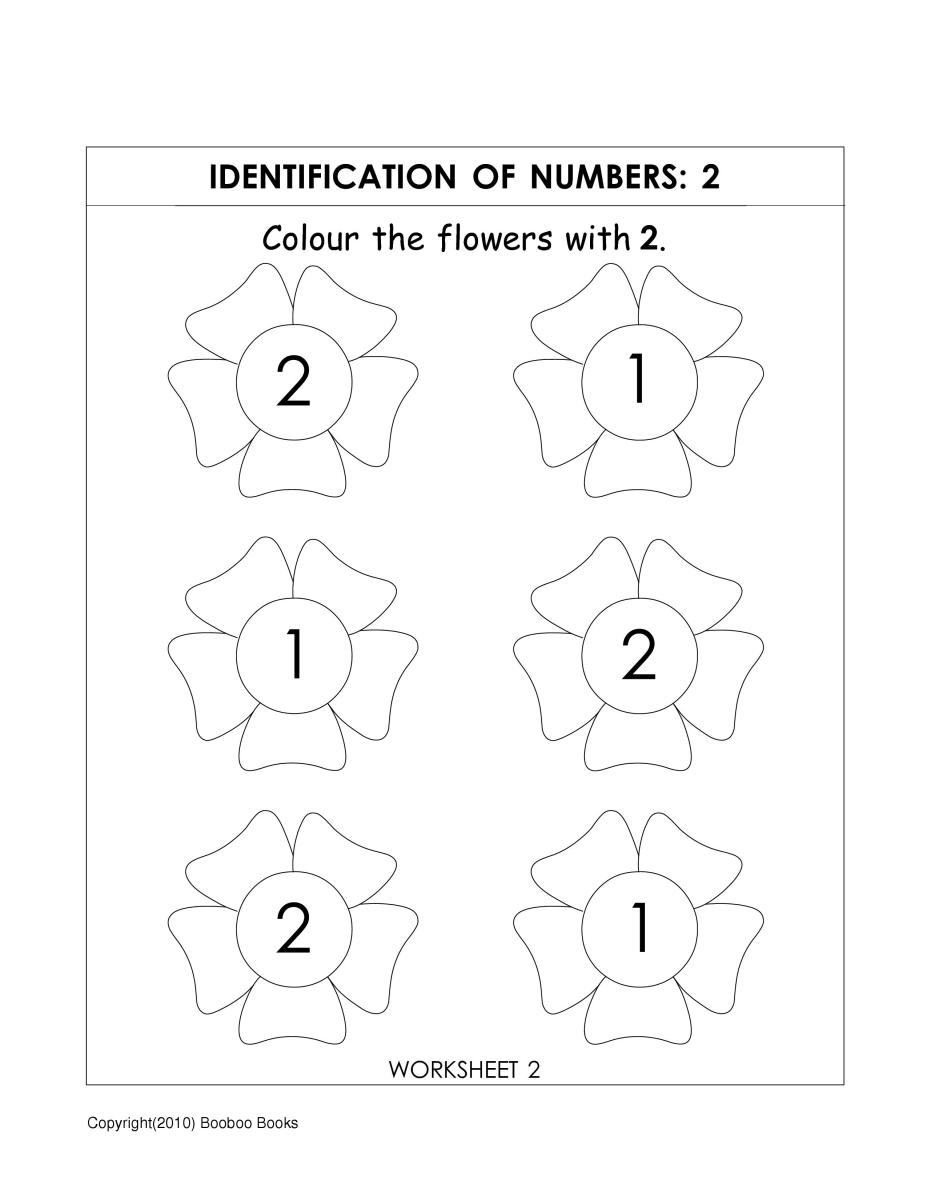
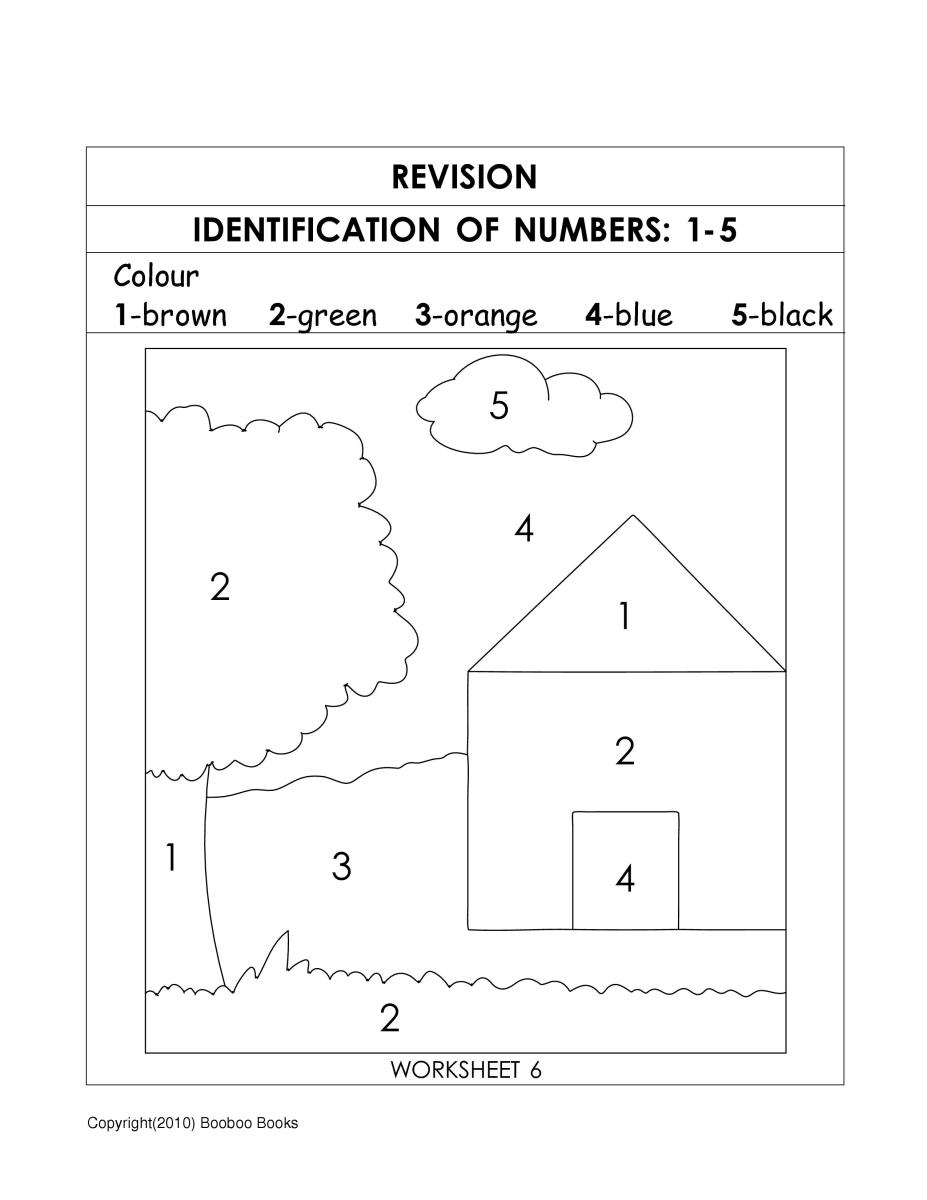
Number tracing worksheets are typically of the type where kids have to color inside number outlines or trace over the number. These will help them recognize numbers and also take preliminary steps in trying to begin forming the numbers.
Initially you can start with outlines to color in. Again initially the number outlines can be pretty big in size, because children may not have the required dexterity to manipulate a crayon precisely and color inside a shape. The coloring may be quite clumsy to start with, this is expected. Slowly with practice, they will be able to color better within the shape. Then you can introduce worksheets with numbers smaller in size. Don't force the pace.

Teaching/Learning Resource- Instruction Medium
Evaluation
During assignments, I will take a step back and observe how the students learned.
I will encourage the students to do more number coloring for easy memorization of numbers.
Download and complete the worksheet.
Conclusion
Strong number sense helps build a foundation for mathematical understanding. Focusing on number sense in the younger grades helps build the foundation necessary to compute and solve more complex problems in older grades. Building a love for math in your children begins with building an understanding of numbers.
Credits
Teacher Page