
Introduction
Most school children are taught that Native Americans helped the Pilgrims and were invited to the first Thanksgiving feast; however, most children do not know why many American Indians today call Thanksgiving a "Day of Mourning." Traditional hospitality and generosity have and continue to be constant Tribal virtues to be practiced at all times.
One such example of a series of this generosity is a celebration that was practiced by natives, and has been adopted by modern society. The Wampanoag feast, called Nikkomosachmiawene, or Grand Sachem's Council Feast. It was because of this feast in 1621 that the Wampanoags had amassed enough food to help the Pilgrims thereby creating a new European tradition known today as "Thanksgiving Day.” This Wampanog feast is marked by traditional food and games, telling of stories and legends, sacred ceremonies and councils on the affairs of the nation. Massasoit came with 90 Wampanog men and brought five deer, fish, all the food and Wampanog cooks. Although this initial feast between the pilgims and natives was peaceful, it did not mark the beginning of a beautiful friendship. 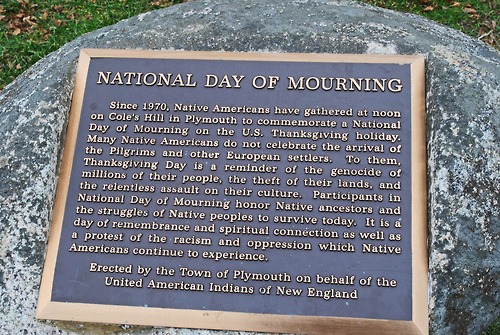
Task
Part 1 :Explore
Read the articles, and watch the videos I that I have provided to you and answer the questions on your worksheet.
Part 2: Gathering Evidence
Complete the worksheets given as they will help you organize information that you may include in completing parts 3 and 4 of this project.
Part 3: Making a Decision
Use the T chart graphic organizer to decide whether or not you agree with this statement: The Native Americans should have never assisted the Pilgrims.
Part 4: Disseminating Information
Write a persuasive essay.
Process
Part 1). Read the article and answer the questions on your worksheet for Article 1.
http://inamerica.blogs.cnn.com/2011/11/24/thanksgiving-is-some-native-americans-day-of-mourning/
Part 2). Who is Squanto? Read the article from Bio and answer the questions for Article 2.
http://www.biography.com/people/squanto-9491327#interpreter-and-guide-for-the-pilgrims
Part 3). Watch this google hangout discussion on Thanksgiving and the Native American community. Answer the questions for Video 1.
Part 4). Watch this video on young Native Americans and answer the questions for Video 2 [video:https://www.youtube.com/watch?v=HnPKzZzSClM]
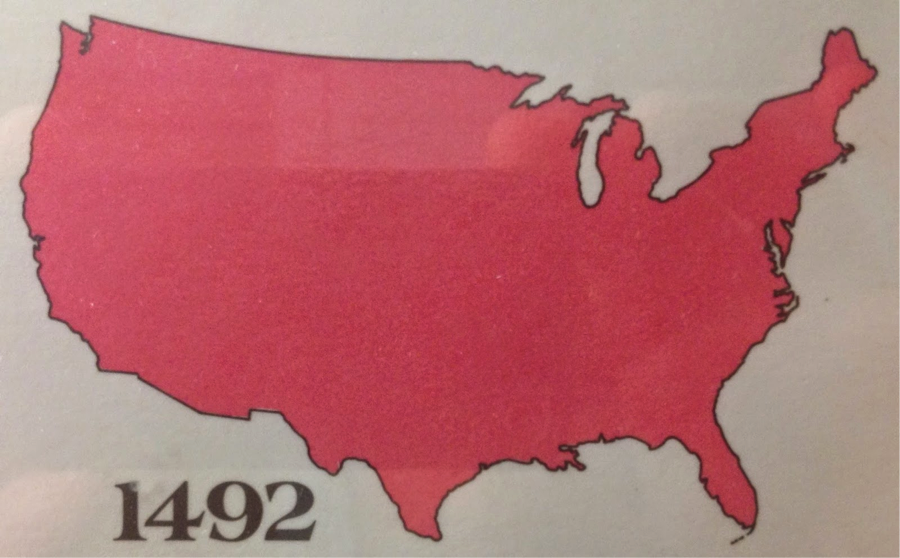
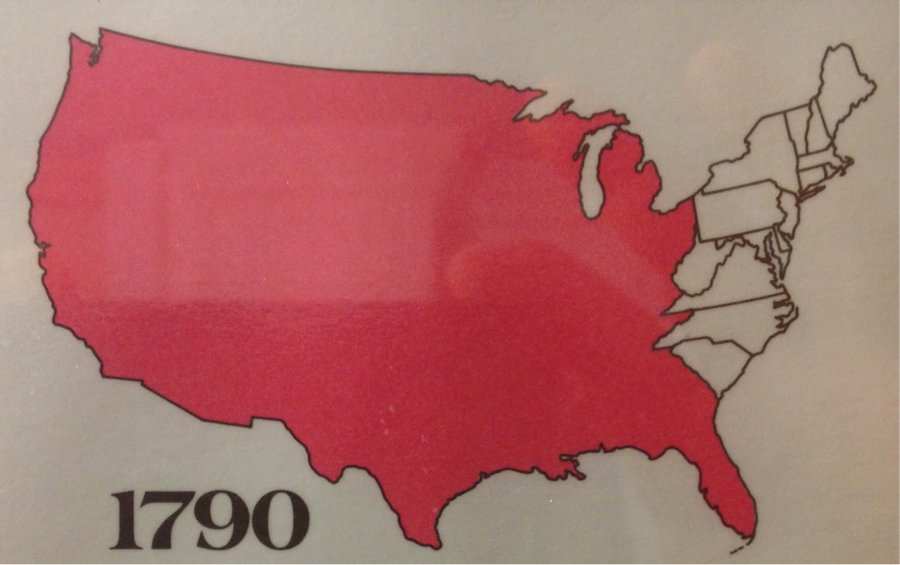
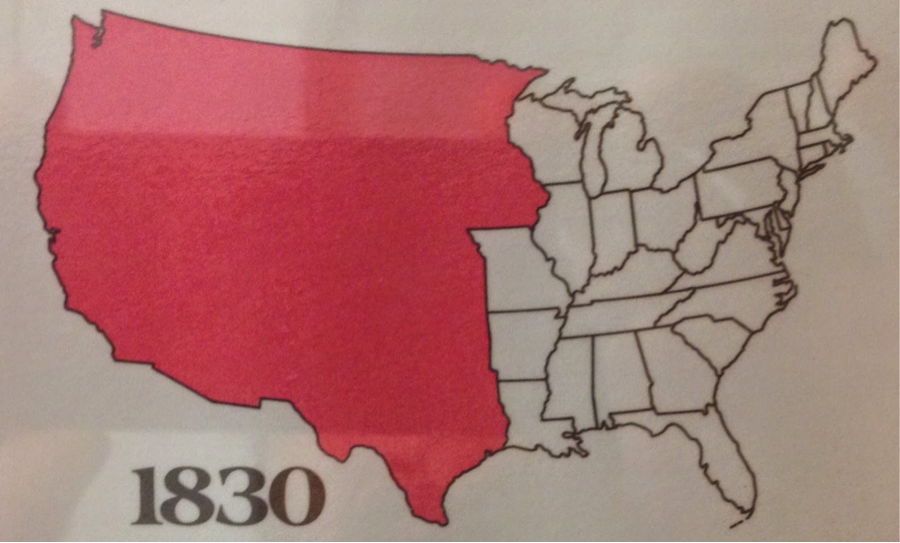
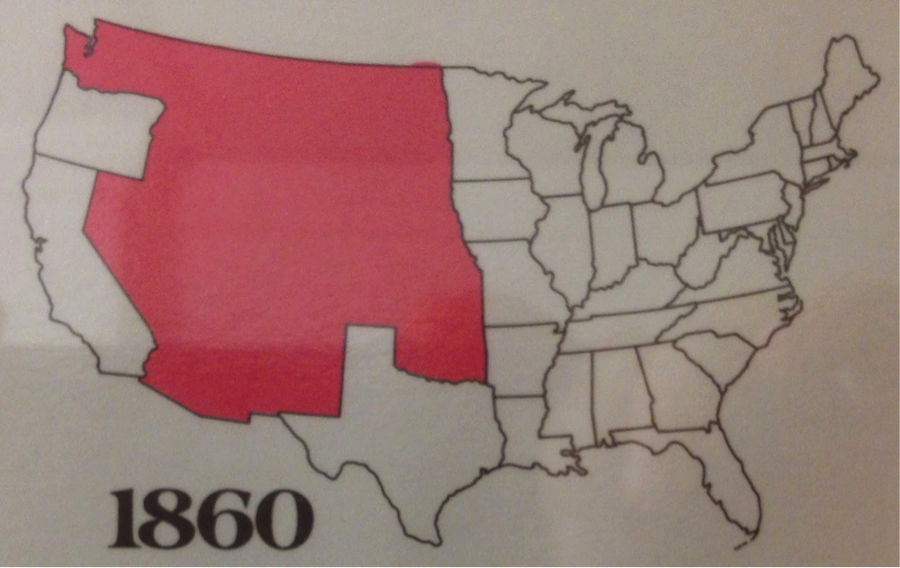
Part 5).These picture show a timeline of the conquest of Native American land by European settlers. Do you notice a trend in the information presented in the map?

Evaluation
This is how your work will be graded.
|
|
Beginning 1 |
Developing 2 |
Qualified 3 |
Exemplary 4 |
Score
|
|
Completed Worksheets |
Student completed none of the assigned worksheets. |
Student turned in some of the worksheets, but were incomplete. |
Student turned in some of the worksheets, but the ones turned in were completed. |
Student turned in all of the required worksheets and completed them all. |
|
|
Persuasive Writing |
. |
|
|
|
|
|
Organization |
There is no clear introduction, structure, or conclusion. |
The introduction includes main goals or thesis. Most information is presented in a logical order. A conclusion is included, but it does not clearly state a personal opinion. |
The introduction includes the goal or thesis and provides an overview of the issue. Information is presented in a logical order but does not always maintain interest of the audience. Has a conclusion that states a personal opinion. |
The introduction is inviting, states the goal or thesis, and provides an overview of the issue. Information is presented in a logical order and maintains the interest of the audience. The conclusion strongly states a personal opinion. |
|
|
Goal or thesis |
The personal opinion is not easily understood. There is little or no reference to the issue.
|
A personal opinion
|
There is one goal or thesis that states a personal opinion and identifies the issue.
|
There is one goal or thesis that strongly and clearly states a personal opinion and identifies the issue.
|
|
|
Reasons and Support
|
Two reasons are made but with weak arguments.
|
Two reasons are made but with weak arguments.
|
Two or more reasons are stated, but the arguments are somewhat weak in places.
|
Two or more excellent reasons are stated with good support. It is evident that a lot of thought and research was put into this assignment. |
|
|
Attention to Audience
|
Argument does not seem to target any particular audience.
|
Argument demonstrates some understanding of the potential audience.
|
Argument demonstrates a clear understanding of the potential audience.
|
Argument demonstrates a clear understanding
|
|
|
Spelling and Grammar |
Student has 8+ spelling and grammatical errors throughout their book. |
Student has 5-7 spelling and grammatical errors throughout their book. |
Student has 3-5 spelling and grammatical errors throughout their book. |
Student has 0-2 spelling and grammatical errors throughout their book. |
|
|
Neatness |
Student's writing is not legible, looks like no effort was put into rewriting a final copy. There are many cross-outs and corrections. |
Student made an attempt to be neat but still has some cross- outs or edits. Handwriting is not very neat. |
Student did attempt to make their final copy neat, but there is still room for improvement. |
Student noticeably took their time. Handwriting is neatly legible. |
|
|
Student Name:
|
|
|
|
|
|
Conclusion
Article 1 questions
Define the term GENOCIDE:
Why do Native Americans consider Thanksgiving a National Day of Mourning?
What is their reason for creating such an event?
Do Native Americans celebrate Thanksgiving? If they do, is it different from how we celebrate Thanksgiving?
Article 2 questions
Who was Squanto and what was his role in helping to establish Thanksgiving?
Why was Squanto a unique Native American (Indian)?
Why was Squanto a powerful?
As an ESL student, How is Squanto and his life story similar to you?
What kind of difficulties might Squanto have faced by being a bi-lingual and bi-cultural Native American? (bi = 2 bi-cultural= of 2 cultures)
Video 1 questions
How do the group of Native Americans who were interviewed, feel about Thanksgiving? (Do they find Thanksgiving offensive? If so, in what way?)
What does the phrase, “swept under the rug” mean?
How is the “sweeping under the rug” of the truth about Thanksgiving, hurtful to Native Americans?
Think about your own home countries, how are the indigenous people treated?
Video 2 questions
Before watching the video, what did you think young Native Americans would look like?
How do the young people in this video feel about the loss of their culture?
Do you find any similarities between their experiences and your own?
Do you see any hope for the eventual return of Native Americans in the future?
Analyze the pictures. Do you notice a trend in the information presented in the map?