
Introduction
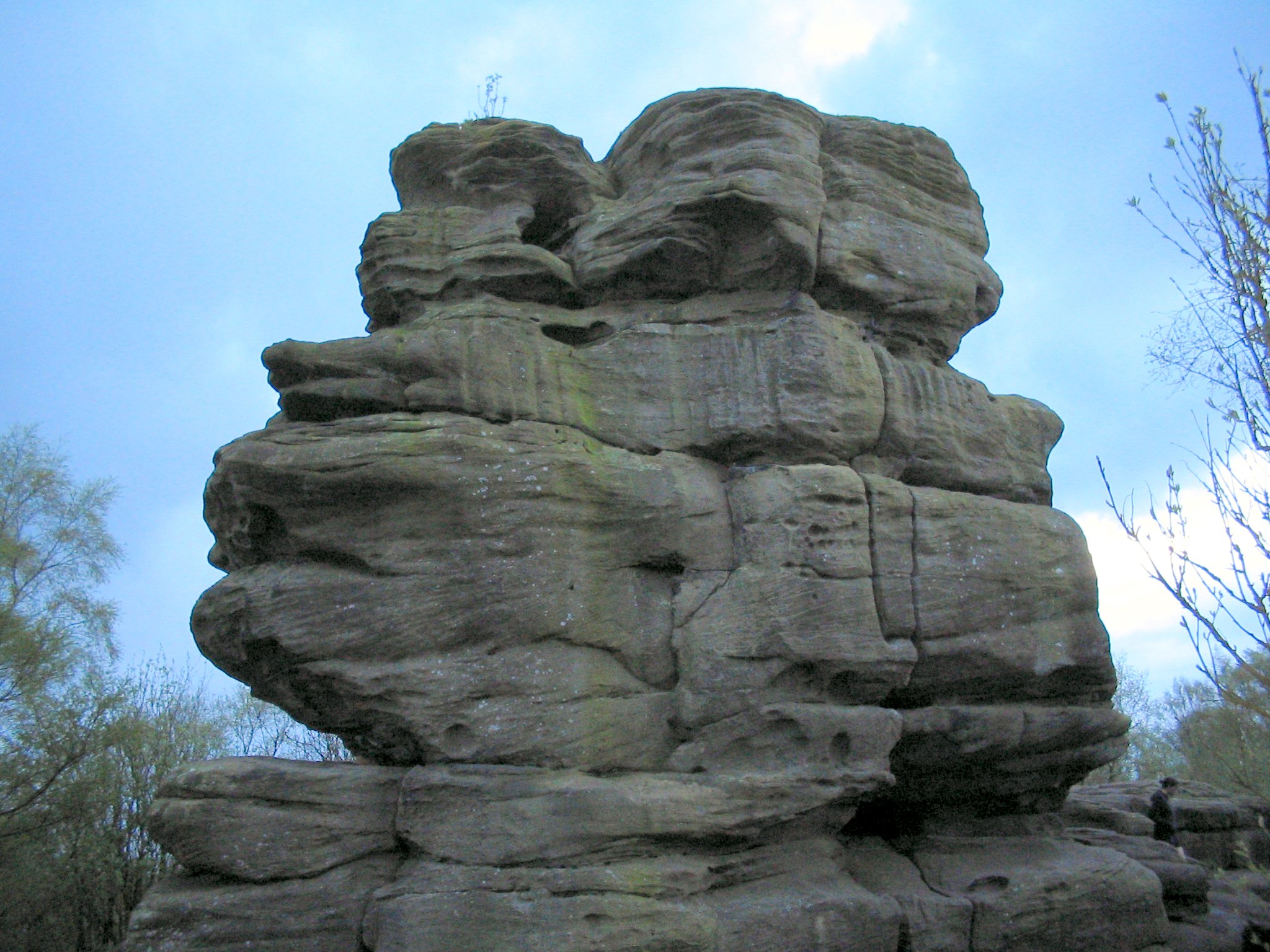
Rocks are everywhere. You can find them along a beach. There are rocks in deserts, on mountains, and in fields. There is rock at the bottom of the ocean. You might find rocks in your own backyard. Even soil is made partly of ground-up rock. Most of Earth’s crust, or outer layer, is made of rock. If you dig down deep enough in the ground, you will find a layer of solid rock. This layer is called bedrock.
.
Task
Today, you will become a geologist. A geologist is a scientist who studies rocks and minerals on the earth. First you will take a journey to a Rock and Minerals Facts Museum in order to learn more about rocks and minerals. Then you will go on a geological trip across the country. You will discover a rock or mineral. Finally, you will inform a panel of geologists about this rock or mineral that you have just discovered. You will present a mini report about this rock or mineral to the panel of reporters and geologists that are eager to hear about your discovery.
Here are some things you will do on this journey:
- Learn what a rock is and how they are formed
- Identify and look at three different types of rocks
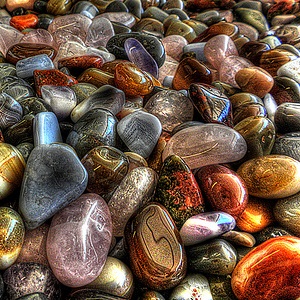
- Look at pictures of rocks
- Learn what a mineral is and how they are formed
- Look at pictures of minerals
- Choose a rock or mineral to read about and research
- Write a mini report about the rock or mineral you discovered
- Present a report and provide a picture
Process
http://www.geography4kids.com/files/earth_rocktypes.html
To accomplish this task you will follow these steps:
Visit the Rock and Mineral Facts Museum:
1. Click on the following website and read the definition of a rock.
http://www.rocksforkids.com/RFK/howrocks.html#Rock
2. Read about igneous rocks and then look at the kinds of igneous rocks on the bottom.
http://geology.com/rocks/igneous-rocks.shtml
3. Read about sedimentary rocks and how they are formed.
http://geology.com/rocks/sedimentary-rocks.shtml
4. Read the definition for a metamorphic rock and then look at the kinds of metamorphic rocks at the bottom.
http://geology.com/rocks/metamorphic-rocks.shtml
5. Read the definition for a mineral
http://www.oum.ox.ac.uk/thezone/minerals/define/
6. know the rock cycle
http://www.oum.ox.ac.uk/thezone/rocks/cycle/index.htm
GEOLOGICAL TREASURE QUEST
1. You will now pack your bags, get your maps and voyage across country to explore various rocks and minerals.
2. Take a trip across the country and examine rocks and minerals all over the world by looking over the links below. Then pick one rock or mineral to discover.
a. ROCK IDENTIFICATION AND CLASSIFICATION
http://flexiblelearning.auckland.ac.nz/rocks_minerals/rocks/
b. HOW ROCKS AND MINERALS ARE FORMED
http://www.rocksforkids.com/RFK/howrocks.html
c. FOSSILS AND ROCKS
http://www.rocksforkids.com/R&M/fossils.htm
d. ROCK HOUND
3. Research the rock or mineral you have chosen by typing it into
4. Finally, you will present this report to the panel of geologists and reporters.
Evaluation
Evaluation Rubric
|
1 Beginning |
2 Intermediate |
3 Advanced |
4 Exemplary |
Score |
||
|
|
||||||
|
Negative Effects |
Vaguely describes 5 negative environmental and/or human impacts |
Partially describes 5 negative environmental and/or human impacts |
Clearly describes 5 negative environmental and/or human impacts |
Clearly describes and explains 5 negative environmental and/or human impacts |
||
|
|
||||||
|
Positive Effects |
Vaguely describes 5 positive environmental and/or human impacts |
Partially describes 5 positive environmental and/or human impacts |
Clearly describes 5 positive environmental and/or human impacts |
Clearly describes and explains 5 positive environmental and/or human impacts |
||
|
|
||||||
|
Report |
Difficult to read. No variance of color. Lacks organization. |
Legibly written. Lacks variance of color. Impacts are progressing towards organization. |
Legibly written. Demonstrates limited variance of color. Impacts are somewhat organized. |
Clearly written with enough variance of color to be seen throughout the room. Impacts are clearly organized. |
||
|
|
||||||
|
Presentation |
Voice is projected and clear. Faces audience with good posture. Able to fully answer audience's questions. Student completes one of the above criteria. |
Voice is projected and clear. Faces audience with good posture. Able to fully answer audience's questions. Student completes two of the above criteria. |
Voice is projected and clear. Faces audience with good posture. Able to fully answer audience's questions. Student completes three of the above criteria. |
Voice is projected and clear. Faces audience with good posture. Able to fully answer audience's questions. Student completes four of the above criteria. |
Conclusion
Well done students on your splendid discovery! I hope you relished your journey and learned something new. Keep exploring towards learning!

Credits
http://www.geography4kids.com/files/earth_rocktypes.html
http://www.rocksforkids.com/RFK/howrocks.html#Rock
http://geology.com/rocks/igneous-rocks.shtml
http://geology.com/rocks/sedimentary-rocks.shtml
http://geology.com/rocks/metamorphic-rocks.shtml
http://www.oum.ox.ac.uk/thezone/minerals/define/
http://www.oum.ox.ac.uk/thezone/rocks/cycle/index.htm
http://flexiblelearning.auckland.ac.nz/rocks_minerals/rocks/
http://www.rocksforkids.com/RFK/howrocks.html
http://www.rocksforkids.com/R&M/fossils.htm
Teacher Page
[img_assist|nid=17199|title=ko|desc=|link=none|align=center|width=480|height=640]
Creator of Rocks and Minerals WebQuest:
Kisha Leonie P. Ababa
BEED 3-IRR