
Introduction
Visiting your own country
The Introduction describes the nature of the lesson and the essential question(s) that will be answered through completion of the exercise.
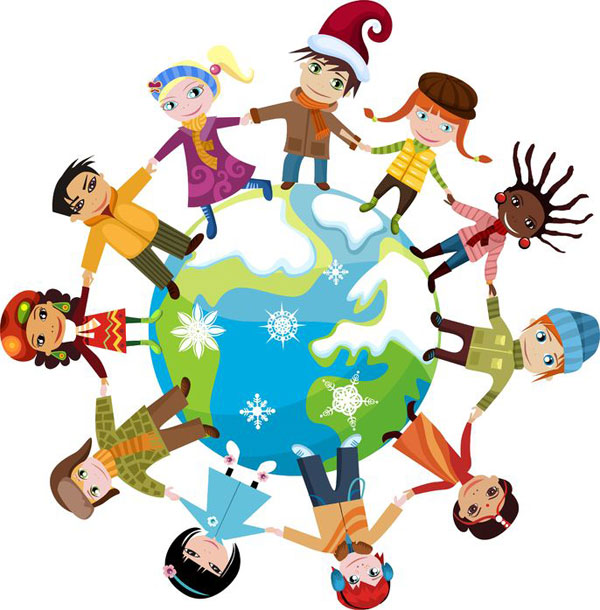
Working with different cultures can often be problematic since it requires the students to look at a culture with their own western, possible, "prejudices".
This is also why it's very exciting to work with intercultural competence because it gives us a possibility of having a debate about how each student views the world and its countries differently whilst discussing what we might learn from it.
This is a webquest designed to further your own personal intercultural competence in a simple and entertaining way, that's easily relatable since it takes place in a country of your own choosing.
Task
The Task section describes the expected results for the WebQuest. This would include a description of the final work product and also what tasks we expect to include during these lessons.
The following will explain not only the tasks that will be given to the students but also the way to go about organizing it. This entire course will be taking place over the course of 5 lessons.
LESSON ONE
The first lesson will focus mainly on introducing the students to the subject of intercultural competence aswell as the subject 'Visiting your own country'. Here they will be taught about different cultures such as Indian culture or Egyptian architecture. The lesson will not only be about the culture in the general country but also about the country as a whole.
The students will also be divided into groups for the upcoming course of intercultural competence. There will be a minimum of 2 students per group and a maximum of 4.
The students are asked to consider which country they would like to work with before lesson two begins.
LESSON TWO
The students are given 10 minutes to hand in a paper explaining which country and culture they would like to work with through the next couple of lessons.
The teacher will then discuss with the students in what way they could possibly work with their chosen subject.
The rest of the lesson will consist of research throughout the groups.
LESSON THREE
The third lesson is about the students creating a product, consisting of a brochure to be handed out to every other student, aswell as a presentation. The presentation could be anything from an oral presentation to a video.
The brochure has to include atleast one major tourist attraction the group would see if they went to the country. Furthermore they should also pick a dish from their respective country that they would try out if they went.
This will take up the entire lesson.
LESSON FOUR
The students are to continue their work from lesson three while keeping in mind that this is their last lesson to work with their chosen subject.
LESSON FIVE
This lesson will be used for presentations and feedback from the students aswell as the teacher.
Process
The Process tells students how they should go about accomplishing the end result. This section would include your links to Web sources.
Differences between cultures - National Geographic
This shows exactly how different two cultures can be.
https://www.youtube.com/watch?v=BT0kzF4A-WQ
Different countries - Infoplease
This website has great information about every country and will be a great help if used by the students.
http://www.infoplease.com/countries.html
Attractions around the world - Travel & Leisure
This website will be very useful when working with the mandatory brochure.
http://www.travelandleisure.com/articles/worlds-most-visited-tourist-at…
National Dishes around the world - Odyb.net
This website will help the students choose what food they would try out.
http://odyb.net/food-cooking/national-food-of-the-world/
Conclusion
The Conclusion / Goals provides an idea of the teachers expecations for the students learning throughout this course.
We expect to give the students an overall perspective of different countries and their respective cultures.
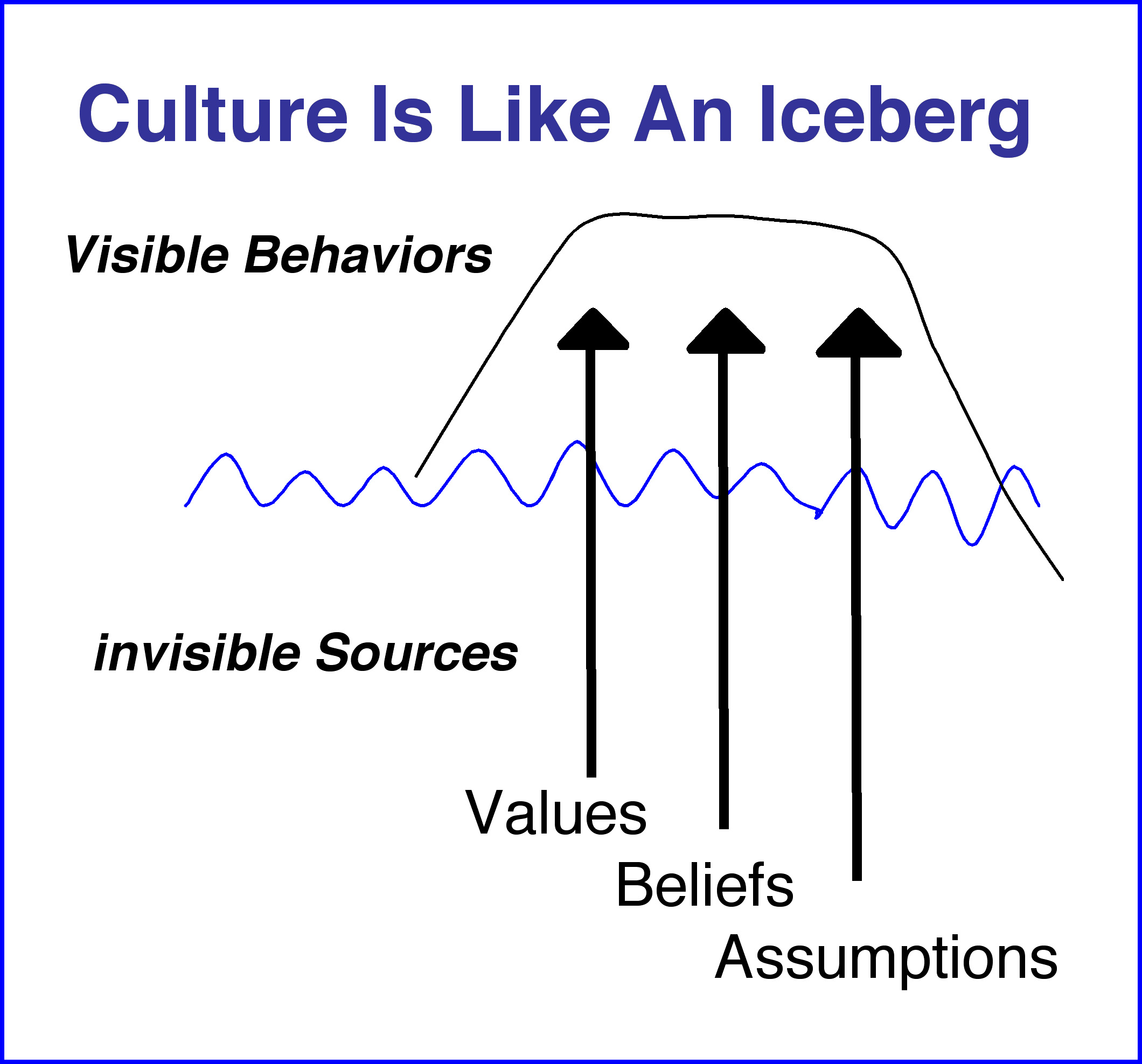
To remove possible prejudices and thereby make the students more interculturally competent.
To teach the students about different foods, attractions and more.
Teaching the students to be confident when making a presentation and to be independent of the teacher and to create a product of their own.
Teacher Page
The Teachers' Page focuses on information regarding the teachers' material for this course. It is vital that the information is relevant and of a suficcient level.
The idea for this course is to give the students knowledge about different cultures and countries around the globe.
This is an exercise for a fifth to sixth grade class.
Materials to be read and used:
"Cultural differences in a globalizing world"
Michael Minkov
'The study of cultures and their origins' (Ch. 1)
'Major Cross-Cultural Studies' (Ch. 2)
'A Cultural Map of the World' (Ch. 7)
"Culture in the Classroom"
http://www.tolerance.org/culture-classroom
A website by tolerance.org explaining different ways to go about teaching culture.
"Countries and Nationalities"
https://www.youtube.com/watch?v=Z6cvRmyEUKc
A video explaining how to teach about different countries and nationalities.
[img_assist|nid=17237|title=2chainz|desc=|link=none|align=left|width=531|height=299]