
Introduction
A quest for new life!!!
Are you prepared to enter a world of LIFE CYCLES????
Are you ready to become an ANIMAL ENGINEER???
Are you smart enough to bring something new to the WORLD???
Then Let's start your new job.
Congratulations!!!! You have been promoted to an expert biologist. You hard work and dedication for learning has paid off. You are now ready for your biggest challenge yet --
Creating a new species!!!!
All your fellow scientists and dozens of reporters are anxious to learn about your new animal. In order to be prepared for your press conference you need to do some research on life cycles. By studying the life cycles of other animals you will be able to decide what kind of life cycle your new species will have!!!!
Remember the world is waiting to see your new creation --- its up to you to create the coolest animal on the planet.
Good Luck!!!!
Task
Task
Even though everyone is anxious for you to unveil your new species, first you must make sure you are ready to present your new species. The biggest question on everyone's mind is what the life cycle of your new species will be. Your first press conference will be the presentation of the life cycle of your new species, including pictures of each of the stages.
Quest (ions)
Because you are an expert biologist you must be prepared to answer questions at your press conference including:
 What a life cycle is?
How life cycles differ from species to species?
What similarities can be seen in all life cycles?
What stages your new species has and why?
What traits were inherited and which are learned?
how is that helping them to survive?
Can your specie live anywhere?
How does their inherited traits help them to live in that enviroment?
Process
Process
There are three parts to your task before you can create and present your new species to the world.
- First - Research the life cycle of at six other species.
- Second - Create the life cycle for your species.
- Third - Write a one page press release for your new species.
First
Research the life cycle of at least five other species.
- Make sure that you have a copy of the life cycles guidebook to help you keep track of the five different life cycles you will be studying.
- Visit the expert web sites on each of the life cycles and record your findings in your guide book.
- Make sure that you take good notes in your guidebook (answer every question).
- Make sure you pay careful attention to the colors and details in each stage of the life cycle.
- Take as many detailed notes as possible. The more information you have the better prepared you will be to create your own species.
Second
Create the life cycle for your species.
Using the information that you have gathered from the six different life cycles that you have studied, it is time to begin creating your species.
Your animal must have either a four or six stage cycle.
Each of your cycle must be labeled -- for example:
Stage one: EGG
or
Stage one: LARVA
or
Stage one: _____________________ <-------- FILL IN THE BLANK
Once you have determined what each of the stages in the life cycle will be, you need to then create a life cycle chart. Use either the four or six stage life cycle chart that has been provided for you. Please make sure that you included detailed drawings of each stage and label what each stage is (egg, larva, pupa, adult, etc.)
You also need to include a drawing of what the adult stage of your creature will look like. (This can be done on the handout that has been provided for you)
Third
Write a one page press release for your new species.
Now that you have created your species and its life cycle you need to prepare yourself for your press conference. Everyone wants to hear about this amazing new species and how it is going to develop.
Your ONE PAGE press release should have the following information:
- Name of the species
- Description of each life cycle
- How long it will take before your species is an adult
- Details about the environment which will best be suited for the animal
- Details about what the animal will eat
Your press release should also include at least one sentence to address each of the following questions:
What a life cycle is?
How life cycles differ from species to species?
What similarities can be seen in all life cycles?
What stages your new species has and why?http://www.freewebs.com/lifecycleswebquest/Docs/Rubric%20for%20Life%20Cycles%20Webquest.pdf
What traits were inherited and which are learned?
how is that helping them to survive?
Can your specie live anywhere?
How does their inherited traits help them to live in that enviroment?
Remember to watch your grammar, spelling, capitalization, and punctuation when you are writing your press release.
Evaluation
|
|
4 - Perfection! You are a superior biologist!!! |
3 - Good Job, your animal is on its way to greatness!!! |
2 - Your animal is alive but you need to research more L |
1 - What happened?!? Time to check your facts and try again!!! |
|
Guidebook |
Every detail is included and your drawings are perfect |
Most of your details are included and your drawings are good |
You are missing some of sections and/or drawings in your book |
You are missing many sections and/or drawings in your book |
|
Life Cycle |
Your life cycle has great details, descriptions and pictures |
Your life cycle has good details, drawings, and pictures |
Your life cycle has some details and pictures. May be missing one or two |
Your life cycle is missing or missing many details, drawings, and pictures |
|
New Species Drawing |
Your adult species has great details and clearly shows the world what it will look like |
Your adult species is good. You have some specific details of what it will look like |
Your adult species is complete but it is hard to see what it looks like |
Your adult species is incomplete and/or is missing completely |
|
Press Release |
Your press release will well written and answers every question |
Your press release answers most of the questions |
Your press release answers some of the questions |
Your press release is missing or does not answer any of the questions |
|
Creativity/Details
|
Your species and press release is well done and really impresses the public |
Your species and press release is good. The public understands you |
The public still has some questions about your species and press release |
Your press release and species leaves everyone wondering what you did |
|
|
A quest for new and exciting life
Credits
Salmon Life Cycle

Use the links below to learn more about the life cycle of the Salmon:
http://www.littleexplorers.com/subjects/fish/printouts/Salmon.shtml
http://www.ehow.com/facts_5150789_life-cycle-salmon-fish.html
http://www.fishex.com/seafood/salmon/salmon-life-cycles.html
http://seymoursalmon.com/lifecycle.php
https://www.youtube.com/watch?v=5DqjsWsY8-g
https://www.youtube.com/watch?v=EqmGSexPaEk
Remember to include the name of each stage and any important events and vocabulary!!!!!
Frog Life Cycle

Use the links below to learn more about the life cycle of the FROG:
http://www.kiddyhouse.com/Themes/frogs/lifecycle.html
http://www.tooter4kids.com/Frogs/life_cycle_of_frogs.htm
http://www.enchantedlearning.com/subjects/amphibians/Frogprintout.shtml
http://allaboutfrogs.org/weird/general/cycle.html
https://www.youtube.com/watch?v=AMs3waaW75g
http://www.youtube.com/watch?v=xl5wpy1vZwM
Remember to include the name of each stage and any important events and vocabulary!!!!!
Salamander Life Cycle

Use the links below to learn more about the life cycle of the SALAMANDER (NEWT):
http://www.enchantedlearning.com/subjects/amphibians/Salamanderprintout…
http://www.animalspot.net/salamander
http://www.elizajewett.com/images/salamander_cycle.jpg
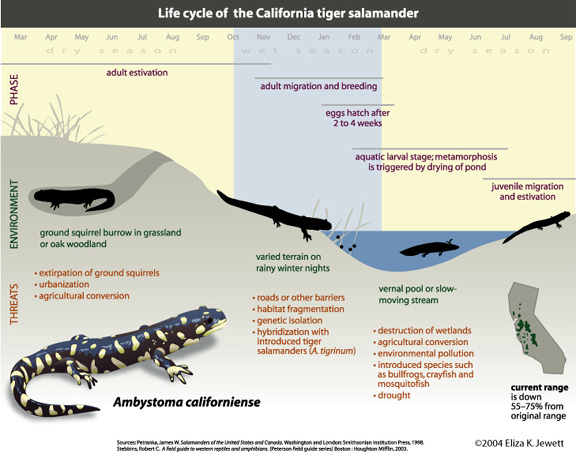
http://www.critters360.com/index.php/lifecycle-of-salamanders-17718/
Remember to include the name of each stage and any important events and vocabulary!!!!!
Ladybug Life Cycle

Use the links below to learn more about the life cycle of the LADYBUG:
http://www.everything-ladybug.com/ladybug-life-cycle.html
http://www.ladybug-life-cycle.com/
https://www.youtube.com/watch?v=SvHWxDjfFB8
http://lady-bugs.org/ladybug-life-cycle/
http://www.enchantedlearning.com/subjects/insects/ladybug/label/
https://www.youtube.com/watch?v=1fmfzHLiGh4
Remember to include the name of each stage and any important events and vocabulary!!!!!
Bird Life Cycle

Use the links below to learn more about the life cycle of the BIRD:
https://www.youtube.com/watch?v=pozsn2f6M3Y
http://www.schoolrack.com/mcisek/procedure/
http://www.slideshare.net/saoirseryan75/chickens-life-cycle
http://www.vtaide.com/png/chicken.htm
http://www.mwt.net/~hobbyfarm/chicken/21chicks.jpg

THIS IS THE HARDEST LIFE CYCLE TO GATHER INFORMATION ON...YOU NEED TO PUT THE FEW FACTS TOGETHER TO MAKE SURE YOU HAVE EACH OF THE STAGES
Remember to include the name of each stage and any important events and vocabulary!!!!!
Butterfly Life Cycle

Use the links below to learn more about the life cycle of the BUTTERFLY:
http://www.enchantedlearning.com/subjects/butterfly/lifecycle/
http://www.tooter4kids.com/LifeCycle/Stages.htm
http://www.nationalgeographic.com/great-migrations-educator-resources/g…

http://exhibits.pacsci.org/insects/buttermoth.html
https://www.youtube.com/watch?v=7AUeM8MbaIk
http://www.tooter4kids.com/LifeCycle/Stages.htm
http://www.ansp.org/explore/online-exhibits/butterflies/lifecycle/
Remember to include the name of each stage and any important events and vocabulary!!!!!
Teacher Page
3-LS1-1. Develop models to describe that organisms have unique and diverse life cycles but all have in common birth, growth, reproduction, and death.
3-LS2-1. Construct an argument that some animals form groups that help members survive.
3-LS3-1. Analyze and interpret data to provide evidence that plants and animals have traits inherited from parents and that variation of these traits exists in a group of similar organisms.
3-LS3-2. Use evidence to support the explanation that traits can be influenced by the environment.
3-ESS2-1. Represent data in tables and graphical displays to describe typical weather conditions expected during a particular season.