
Introduction
Hello and Welcome! This is a mini-introduction to high school English (concentration in grades 11th and 12th). Today we will be analyzing one of Shakespeare's most well known sonnets!

Task
Yay Shakespeare! For the sake of entry level knowledge, we will be reviewing one of Shakespeare's most well known sonnets, Sonnet 18. While reading, take note of what makes this a sonnet (such as lines, rhyme scheme, etc.), and what the author is trying to illustrate for his audience.
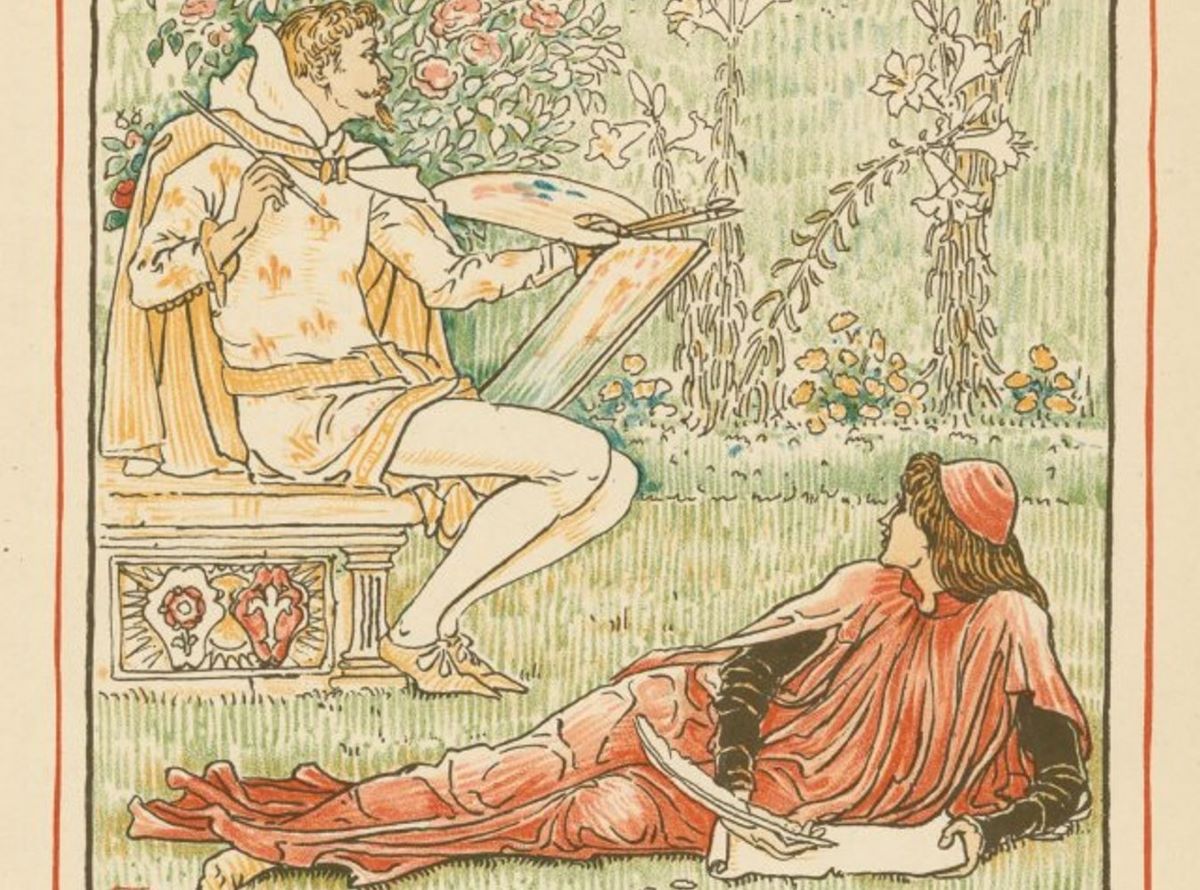
Shall I compare thee to a summer’s day?
Thou art more lovely and more temperate:
Rough winds do shake the darling buds of May,
And summer’s lease hath all too short a date;
Sometime too hot the eye of heaven shines,
And often is his gold complexion dimm'd;
And every fair from fair sometime declines,
By chance or nature’s changing course untrimm'd;
But thy eternal summer shall not fade,
Nor lose possession of that fair thou ow’st;
Nor shall death brag thou wander’st in his shade,
When in eternal lines to time thou grow’st:
So long as men can breathe or eyes can see,
So long lives this, and this gives life to thee.
Process
Question One: What key factors make this a sonnet?
What to ask yourself when answering:
A. What is unusual about the rhyme scheme?
B. How many lines are there?
C. How many syllables are in each line?
Question Two: What is the author trying to portray to his audience?
What to ask yourself when answering:
A. Who is his audience?
B. What does his diction do to illustrate his feelings?
Evaluation
Assessment type: singular work, individually done.
Mechanics: points will be based on spelling, formatting answers, and understanding the text.
Presentation: neatly on a document and submitted online through the source portal.
| Criteria | Beginner | Adaptive | Learner |
| Mechanics | Student does not understand the text. | Student understands text at face value. | Student is able to understand the text in multiple perspectives and can form their own opinions about it. |
| Presentation | Sloppy work. Assignment not done. | Work is somewhat presentable. | Work is clearly labeled and easy to interpret. |
Conclusion
After review your work, it is time to have a reflection. Did you understand the text well enough to answer questions about it? Was it easy to interpret or did the language throw you off? Were you able to catch the differences the sonnet had from other poetic forms?
Take a moment to reflect on your level of knowledge when regarding this type of literature. If you struggled with today's lesson, feel free to continue searching/reading online to build your growth.
Credits
To ease your minds, here are some answers for today's lessons.
1A. A Shakespearean rhyme scheme differs from any other because of it's uniqueness. Here is the correct rhyme scheme:
ABABCDCDEFEFGG.
1B. There are fourteen lines in each sonnet!
1C. In each of those fourteen lines are ten syllables. The first is unstressed and the second is stress in each line. Think of a heart beat: buh-DUM! buh-DUM!
. Who is his audience?
B. What does his diction do to illustrate his feelings?
2A. This sonnect is a direct address hence the first line. It is argued to have an audience of a young man or a young boyish-girl, but understand that this person is of youth: and the author is keen on how beautiful youth is.
2B. The diction used to support his feelings of awe can be seen in lines 2, 4, and 10-14.