
Introduction
You live in a small town during the Victorian Era, your sister, Ashley has been diagnosed with Turberculosis. She seems ill and your family doesn't know what to do. It's your job to figure out what is going on with her.
Task
 You will have to write one paragraph based on your research on turberculosis. Along with your research you will describe the treatment you will perform on your sister during that time. May the force be with you.
Process
Its your job to reserch and figure out the symptoms, causes and treatments perscribed during the Victorian era.
Use the following links:
http://www.victorianweb.org/authors/dickens/boev4.html
http://www.english.uwosh.edu/roth/VictorianEngland.htm
http://logicmgmt.com/1876/overview/medicine/diseases.htm

Evaluation
How you will be graded
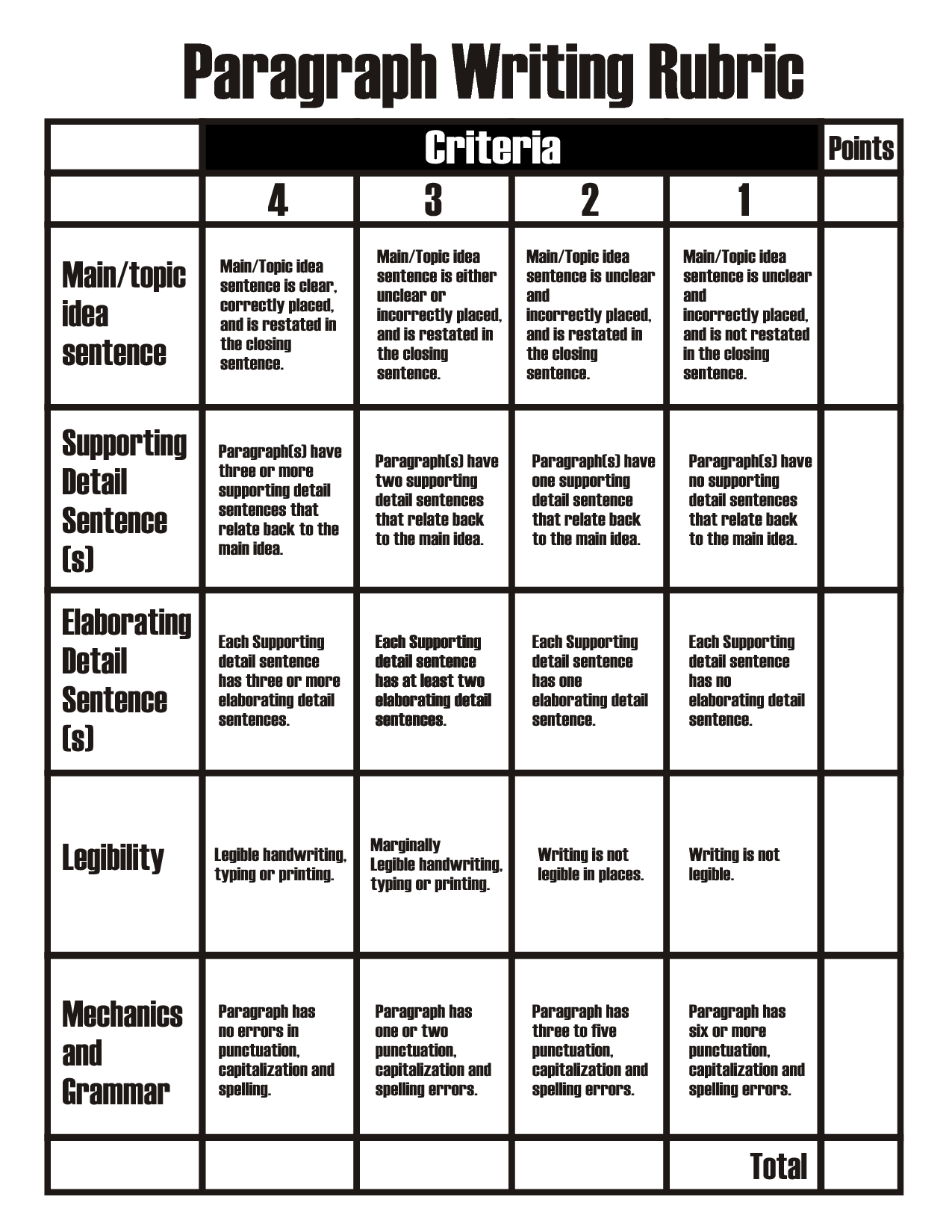
You will be graded on the complete accuracy of your topic and the correct treatments given during the time period you were assigned.
The rubric is below:
Conclusion
Congrats, you are now an expert on Turberculosis. You figured out all the symptoms and treatments of Turberculosis during the Victorian era. The sysmptoms for Turberculosis now and days are
- a bad cough that lasts 3 weeks or longer
- pain in the chest
- coughing up blood or sputum (phlegm from deep inside the lungs)
Other symptoms of TB disease are
- weakness or fatigue
- weight loss
- no appetite
- chills
- fever
- sweating at night
Treatment for TB Disease
TB bacteria become active (multiplying in the body) if the immune system can't stop them from growing. When TB bacteria are active, this is called TB disease. TB disease will make a person sick. People with TB disease may spread the bacteria to people with whom they spend many hours.
TB disease can be treated by taking several drugs for 6 to 9 months. There are 10 drugs currently approved by the U.S. Food and Drug Administration (FDA) for treating TB. Of the approved drugs, the first-line anti-TB agents that form the core of treatment regimens include:
- isoniazid (INH)
- rifampin (RIF)
- ethambutol (EMB)
- pyrazinamide (PZA)
Regimens for treating TB disease have an initial phase of 2 months, followed by a choice of several options for the continuation phase of either 4 or 7 months (total of 6 to 9 months for treatment).
It is very important that people who have TB disease finish the medicine, taking the drugs exactly as prescribed. If they stop taking the drugs too soon, they can become sick again; if they do not take the drugs correctly, the TB bacteria that are still alive may become resistant to those drugs. TB that is resistant to drugs is harder and more expensive to treat.