
Introduction
Have you ever wondered why in a world that produces enough food for everyone, millions of people still go hungry? Have you ever asked yourself: What does it take to end world hunger?
Every day, millions of people around the world struggle with hunger, while others face problems of food waste, unhealthy diets, and environmental damage from food production.
Food insecurity is a household's economic and social state where access to adequate food is uncertain or limited, and hunger is an individual's physical state of discomfort and pain caused by a lack of food. Both are interconnected with each other, where food insecurity can eventually lead to extreme hunger in some cases.
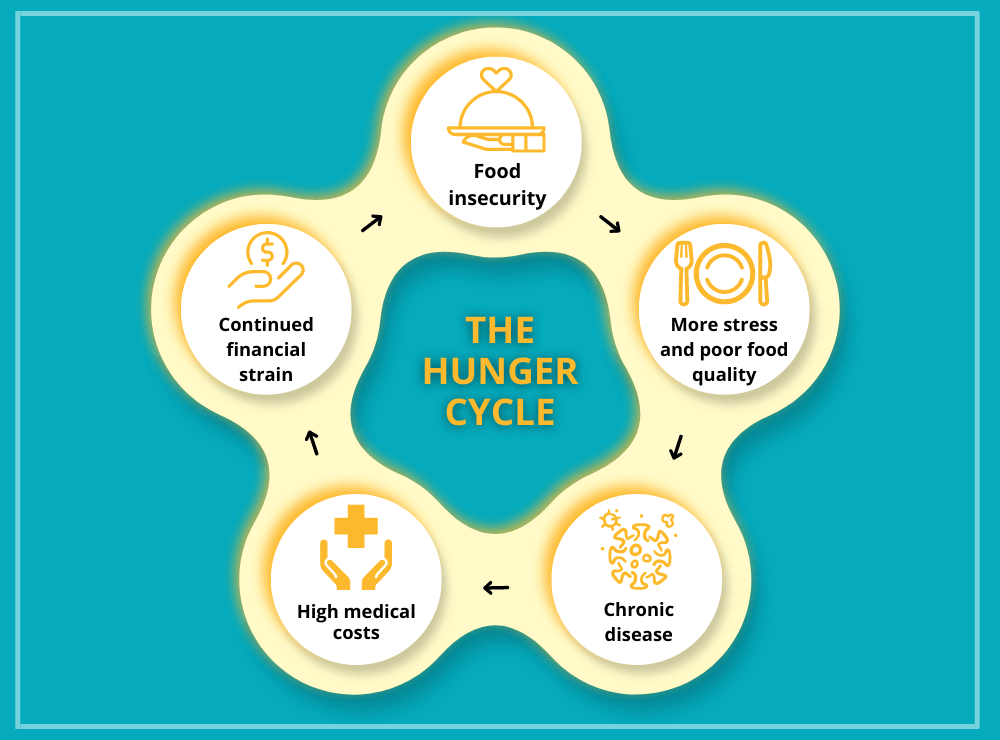
In this WebQuest, you will explore how food connects to health, the environment, and the world around us. You’ll step into different roles, investigate real problems, and work with your classmates to imagine better solutions for the future of food.
Task
Your task is to work in groups and take on different roles to research global food issues. Then, you’ll create a class presentation (poster, slideshow, or short video) to propose your solution to the Global Food Challenge.
Each student chooses a role (teams should have at least 3–4 roles):
- The Scientist 🔬 – Researches farming and the environment (deforestation, water use, greenhouse gases).
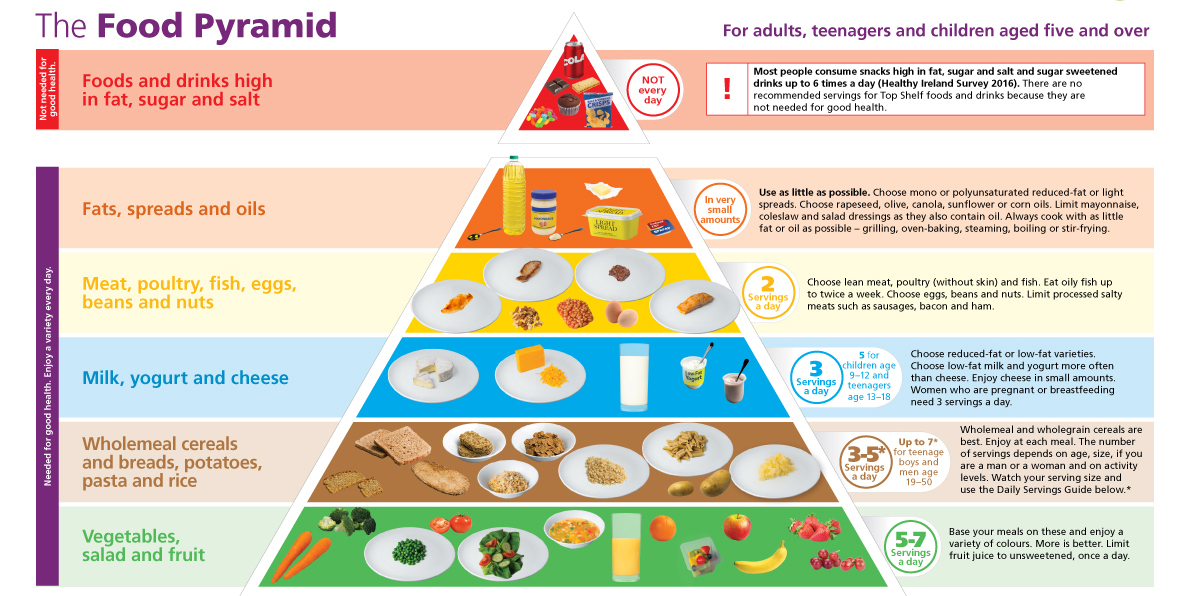
- The Nutritionist 🥦 – Explores healthy eating, food pyramids, and challenges like obesity or malnutrition.
- The Economist 💰 – Looks at food prices, trade, and hunger around the world.
- The Activist ✊ – Investigates food waste, fair food access, and community solutions.
- The Farmer/Innovator 🚜 – Studies new farming methods (organic farms, hydroponics, vertical farming, lab-grown meat).
- The Editor 📝 – Designs the presentation of your choice (poster, slideshow, or short video).

Process
1. Gain an overview about the topic at hand.
2. Research your role. Use the following links provided to get the information you need:
- The Scientist: You may need to refer to the following resources
https://trees.org/2023/06/03/environment-and-food-systems/
https://ourworldindata.org/environmental-impacts-of-food
- The Nutritionist: You may need to refer to the following resources
https://nutritionsource.hsph.harvard.edu/healthy-eating-pyramid/
https://www.who.int/health-topics/healthy-diet#tab=tab_1
- The Economist: You may need to refer to the following resources
https://unactad.org/publication/trade-against-hunger
https://www.welthungerhilfe.org/hunger/food-price-increase
- The Activist: You may need to refer to the following resources
https://nutritionsource.hsph.harvard.edu/sustainability/food-waste/
- The Farmer/Innovator: You may need to refer to the following resources
- The Editor:
If you choose to make a poster, you may refer to Pixlr: https://pixlr.com/editor/ or Canva: https://www.canva.com
If you choose to make a short video, you may refer to Canva VideoEditer: https://www.canva.com or CapCut: https://www.capcut.com
3. Discuss with your team. Share your findings with your group and look for connections (How do nutrition and farming overlap? How do economics and activism connect?)
4. Create your solution. As a group, design a proposal that answers the big, driving question: How can we feed everyone in the world in a healthy and sustainable way?
Your proposal should include:
- Healthy eating solutions
- Ways to protect the environment
- Ideas to reduce food waste
- Innovation for the future
5. Present your solution to the class using a digital slideshow, poster, or short video.
Evaluation
The total grade is out of 20 points. You will be evaluated based on the following criteria:
| Criteria | Excellent (18-20 pts) | Good (14-17 pts) | Fair (10-13 pts) | Needs Improvement (below 10 pts) |
|
Research (5 points) |
Used reliable sources; explained information clearly with strong details and examples. |
Sources mostly reliable; explained information with some details. |
Limited sources; explanations sometimes unclear or missing depth. |
Weak research; few details; sources questionable. |
|
Collaboration (5 points) |
Worked very well with team; listened, shared ideas, and supported others consistently. | Mostly worked well with team; contributed and listened. | Sometimes worked with team; shared ideas occasionally. | Rarely worked with team; limited participation. |
|
Creativity (5 points) |
Proposal is highly original, engaging, and shows creative problem-solving. | Proposal includes some original and creative ideas. | Proposal has a few creative ideas but mostly ordinary. | Proposal shows little creativity; rushed or incomplete. |
|
Presentation (5 points) |
Clear, well-organized, visually appearing, and easy to understand; strong delivery. | Mostly clear and organized; some visuals used. | Somewhat clear but missing organization or visuals. | Hard to follow; weak visuals and organization. |
Conclusion
Food is more than just something we eat; it connects people, cultures, and the planet. 🌍
Through this WebQuest, you've seen how science, health, economics, and innovation all play a role in solving the Global Food Challenge. The ideas you created show that young people can think like problem-solvers and leaders.
Remember, every choice you make: what you eat, what you waste, and what you support, shapes the future of food. 🌽🥦
Whether it's reducing waste at lunch, trying new sustainable food, or spreading awareness, you have the power to make a difference.
So ask yourself: How will YOU help feed the future? 🌟
❌ Photo unavailable
Credits
Sources and Websites:
-
Ritchie, H., Rosado, P., & Roser, M. (2022, December 2). Environmental impacts of food production. Our World in Data. https://ourworldindata.org/environmental-impacts-of-food
-
Lindsay. (2024, November 18). The connection between Food Systems and the environment. Trees for the Future. https://trees.org/2023/06/03/environment-and-food-systems/
-
Healthy Eating Pyramid • The Nutrition Source. The Nutrition Source - Harvard Chan School. (2025, March 17). https://nutritionsource.hsph.harvard.edu/healthy-eating-pyramid/
-
World Health Organization. (n.d.). Healthy diet. World Health Organization. https://www.who.int/health-topics/healthy-diet#tab=tab_1
-
Trade against hunger: Exploring trade actions to fight acute food insecurity and the threat of famine. UN Trade and Development (UNCTAD). (2024, December 12). https://unctad.org/publication/trade-against-hunger
-
Food price increase exacerbates hunger. Welthungerhilfe.de - Für eine Welt ohne Hunger und Armut. (n.d.). https://www.welthungerhilfe.org/hunger/food-price-increase
-
Food Waste • The Nutrition Source. The Nutrition Source - Harvard Chan School. (2025a, January 17). https://nutritionsource.hsph.harvard.edu/sustainability/food-waste/
-
Correspondence, O. (n.d.). The future of food: Lab-grown meat, vertical farming, and sustainable eating. Dxb News Network. https://www.dxbnewsnetwork.com/the-future-of-food-lab-grown-meat-vertic…
Graphics (Photos and Videos):
-
YouTube. (2022, March 28). What is food insecurity?. YouTube. https://www.youtube.com/watch?v=2YgxG6tyaXs
-
The Hunger Cycle Explained - Nourishing Neighbors . (n.d.). Nourishing Neighbors . Retrieved September 26, 2025, from https://www.google.com/url?sa=i&url=https%3A%2F%2Fwww.nourishingneighbo….
-
Alsema, A. (2023). Food insecurity in Colombia more than doubled in 2022: UN. Colombia Reports. Retrieved September 26, 2025, from https://www.google.com/url?sa=i&url=https%3A%2F%2Fcolombiareports.com%2….
-
The Food Pyramid . (n.d.). Safefood. Retrieved September 26, 2025, from https://www.safefood.net/getmedia/795892bf-6be3-4e7d-8de3-6e36eb10174f/….
-
Food Waste is a Social Justice Issue. (2022). Food Rescue MAINE. Retrieved September 26, 2025, from https://www.google.com/url?sa=i&url=https%3A%2F%2Fumaine.edu%2Ffoodresc….
-
Food Security Illustration . (n.d.). iStock. Retrieved September 26, 2025, from https://media.istockphoto.com/id/1385391295/vector/food-security-word-c….
