
Introduction
By Savannah Montano, Rocky Mountain Classical Academy
Middle School grammar students will write a business letter to King Louis XVI, Napoleon Bonaparte, or Marie Antoinette using historical information about the French Revolution.
Introduction
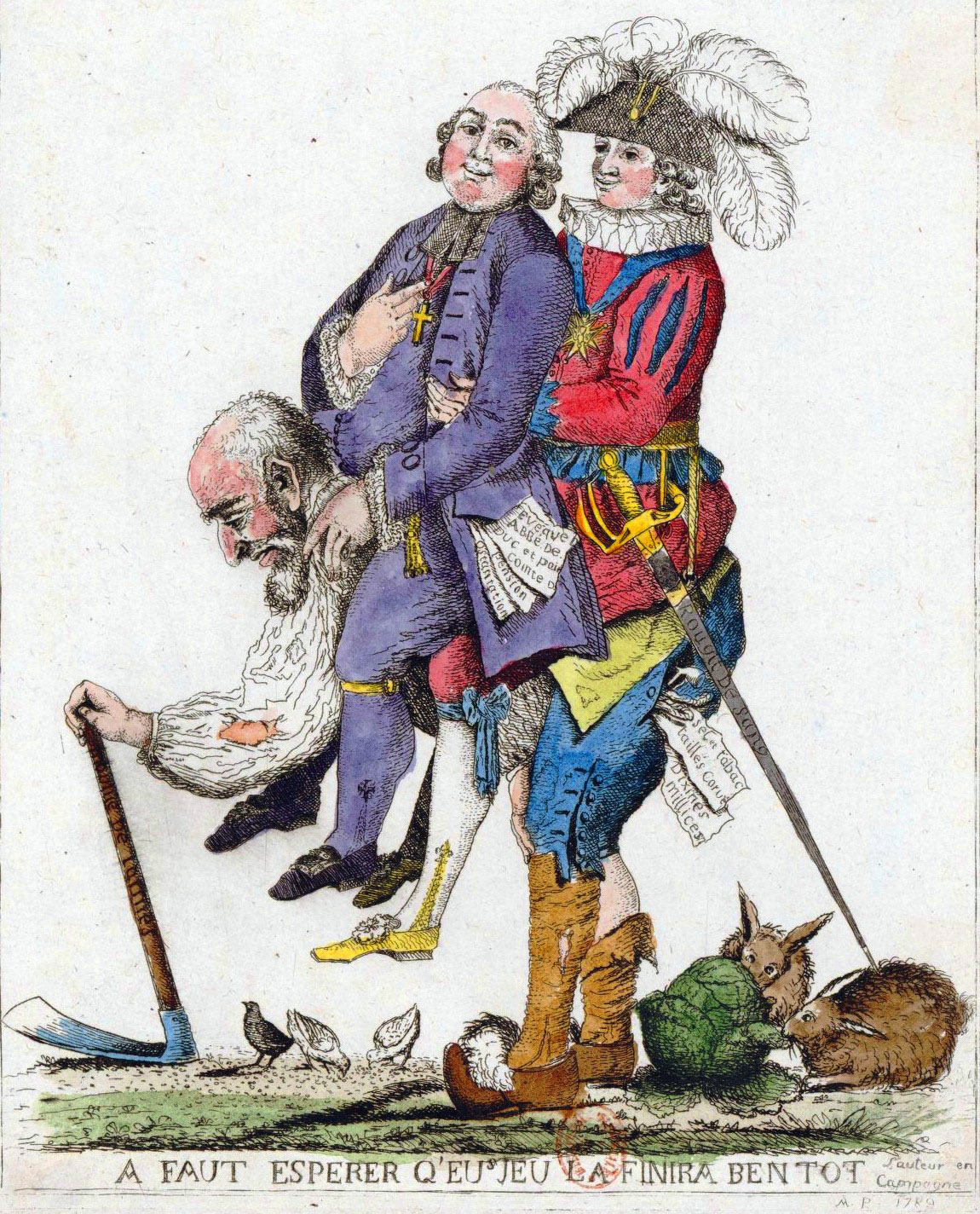
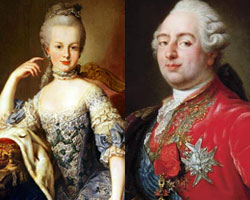
The year is 1789. You live in France and are a part of the "Third Estate" -- The normal, peasant people of French society, who do all of the work and pay all of the taxes, while the aristocrats grow extremely rich. The state is about to go bankrupt and this years harvest was poor. You are oppressed, over-taxed, and angry. As a last resort, before breaking off and fighting for independence, you have decided to write a letter -- a plea for help. But to who? King Louis XVI, the tyrannical monarch himself? Napoleon Bonaparte, the power-hungry military leader? Perhaps Marie Antoinette, the Queen?
Who will take pity on your plight?
Task
Your task for this WebQuest is to write a business letter to either King Louis XVI, Napolean Bonaparte, or Marie Antoinette. The purpose of the business letter is to plea your cause (relief from oppression and over-taxation), inspire a military coup, or request someone to beseech the King on your behalf.
In groups, you will research what life was like in France that made the revolution likely. You will also study the receiver of your letter in order to better know your audience. Finally, you will learn how to correctly compose a professional business letter. Using the information you have gathered, your group will collaborate to write your letter, from the perspective of a group of French peasants.

Process
Process:
You and your group members will craft a business letter to plea your cause for relief from oppression and over-taxation. This letter must follow the structure of a professional business letter, including addresses, dates, salutation, body, and closing.
In a group of five, you will research historical information based on the French Revolution and modern information on how to correctly formulate a business letter. Each person in the group will be responsible for researching relevant information and contributing to the group business letter.
1. Begin by each group member choosing a topic to research and study (links to resources at the bottom of the page):
French Society and politics in 1789
King Louis XVI
Napoleon Bonaparte
Marie Antoinette
Business letter format/Writer
2. After everyone has completed their research, decide as a group who should be the recipient of the letter and why.
3. Compose the letter, ensuring that all format components are present (You will need to know where your recipient lived, and a possible accurate location for yourselves, for the address portions). Use your understanding of the context and audience to support your writing.
4. Turn in business letter to the teacher.

Sources:
https://www.civicsandcitizenship.edu.au/verve/_resources/FQ2_France_before_Revolution.pdf
https://www.smithsonianmag.com/history/marie-antoinette-134629573/
https://www.britannica.com/biography/Louis-XVI
https://www.history.com/topics/france/napoleon
https://www.thebalancecareers.com/business-letter-template-2062541
Evaluation
| Beginner (3) |
Good (5) |
Excellent (7) | Score | |
| Business Letter Format ___ X 2 | Letter is informal and missing most components of a business letter. | Letter is formal and has most components, but is missing one or two | Letter is formal and has all components, and in the correct order. | ____ |
|
Appeals to Audience ___ X 2 |
The recipient is unclear, with no personal appeals. | The recipient of the letter is obvious, but there is nothing that would appeal to that individual. | The recipient is obvious, with very clear personal appeals. | ____ |
|
Historically Accurate ___ X 2 |
The letter is not written for the context of the French Revolution. | There is little to moderate detail that suggests the historical time frame of the letter. | The historical context of this letter is very clear and accurate to France 1789. | ____ |
|
Final Score ____ / 42 |
X | X | X | ____ |
Conclusion
Hopefully, from your research, you have discovered what life was like for a peasant in France in 1789, why the people disliked the structure of society, and who held all the power. You have learned about three major players within that crucial time in history, as well, and discovered what led up to the French Revolution. This change of government had a lasting impact, and "altered the course of modern history, triggering the global decline of absolute monarchies and replacing them with republics and liberal democracies" (Anirudh).

Credits
Teacher Page
A WebQuest for 6th Grade Grammar - Rocky Mountain Classical Academy
Designed by Savannah Montano
