
Introduction
Food Webs:
All ecosystems and the organisms within an ecosystems require energy to sustain life and survive. This energy has to have a start point to enable it to flow through to each organism. Food webs describe the flow of this energy through an ecosystem or habitat. Food webs are made up of many different levels that each play an important role in the transfer of energy between organisms. The main levels within a food web include primary producers, primary consumers, secondary consumers, tertiary consumers and so on. Your task is to research food webs for a given habitat, explore the different trophic levels and communicate this to your class mates. Refer to the task below and process for instructions. Good luck!
Food Web Example:
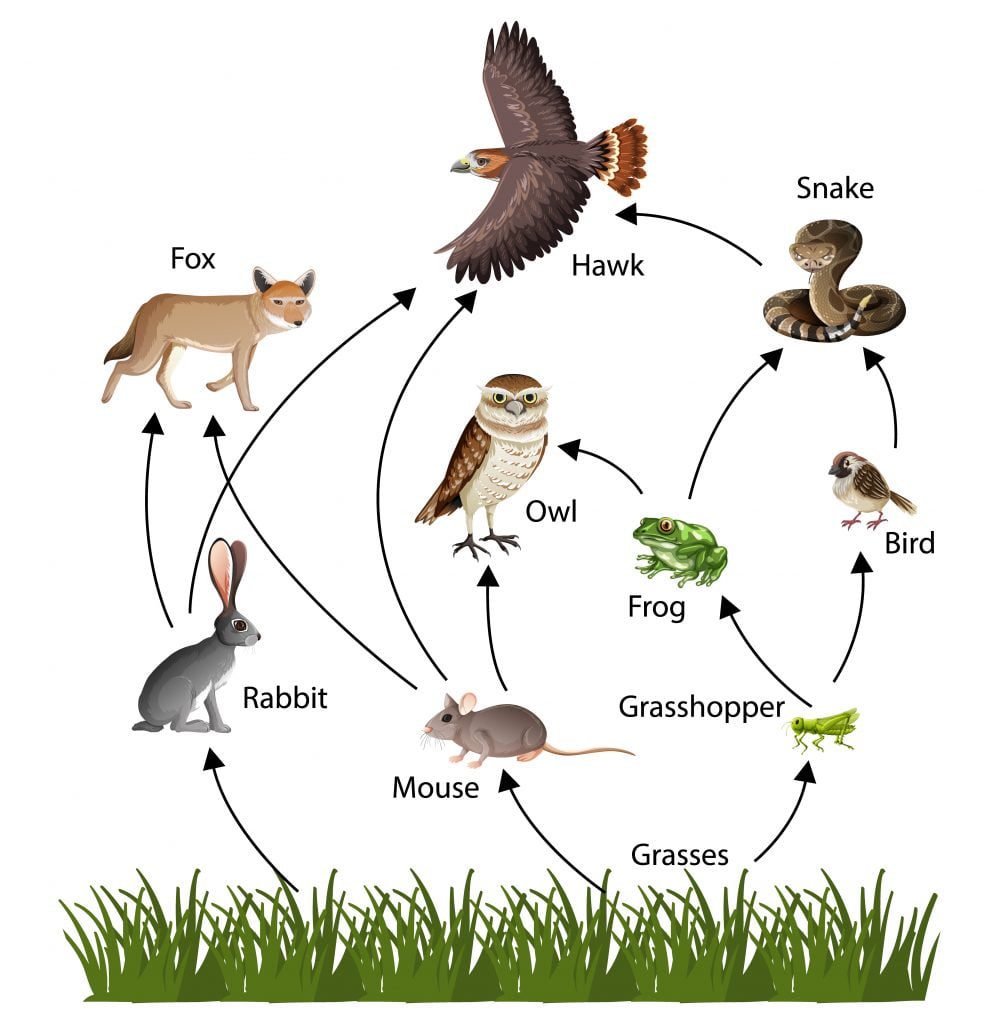 Figure 1. A food web example (Let's Talk Geography, 2022).
Task
Please follow the below instructions for this activity:
1. Divide into groups of 5 students.
2. Each group will be allocated one of the following habitats:
a) Marine environment
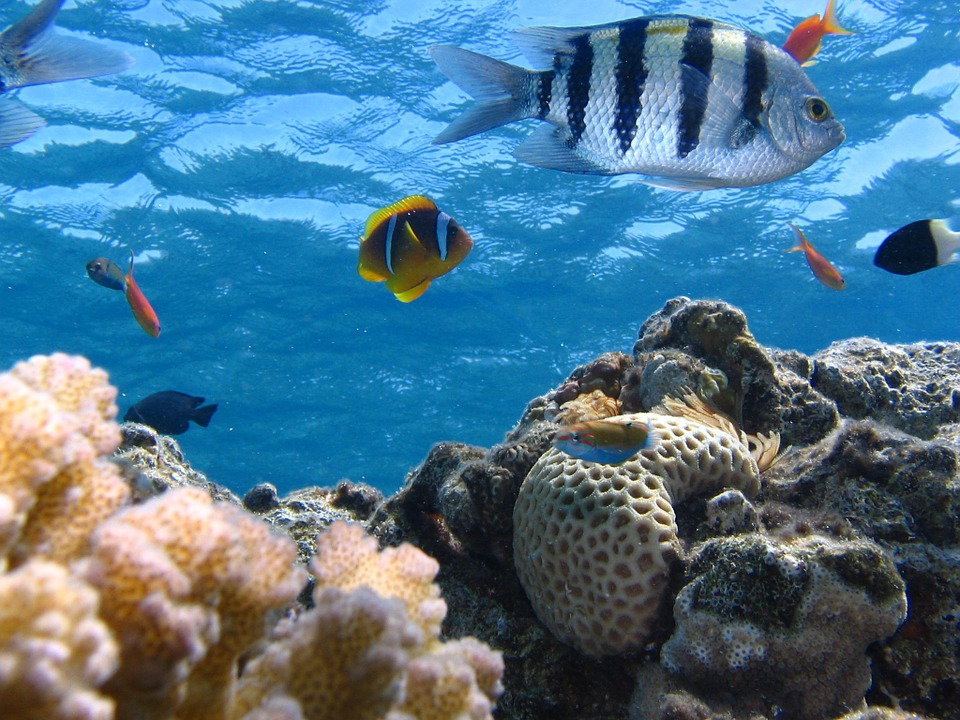
(YoNature [YN], 2018)
b) African savannah

(USA Today [USAT], 2022)
c) Rainforrest
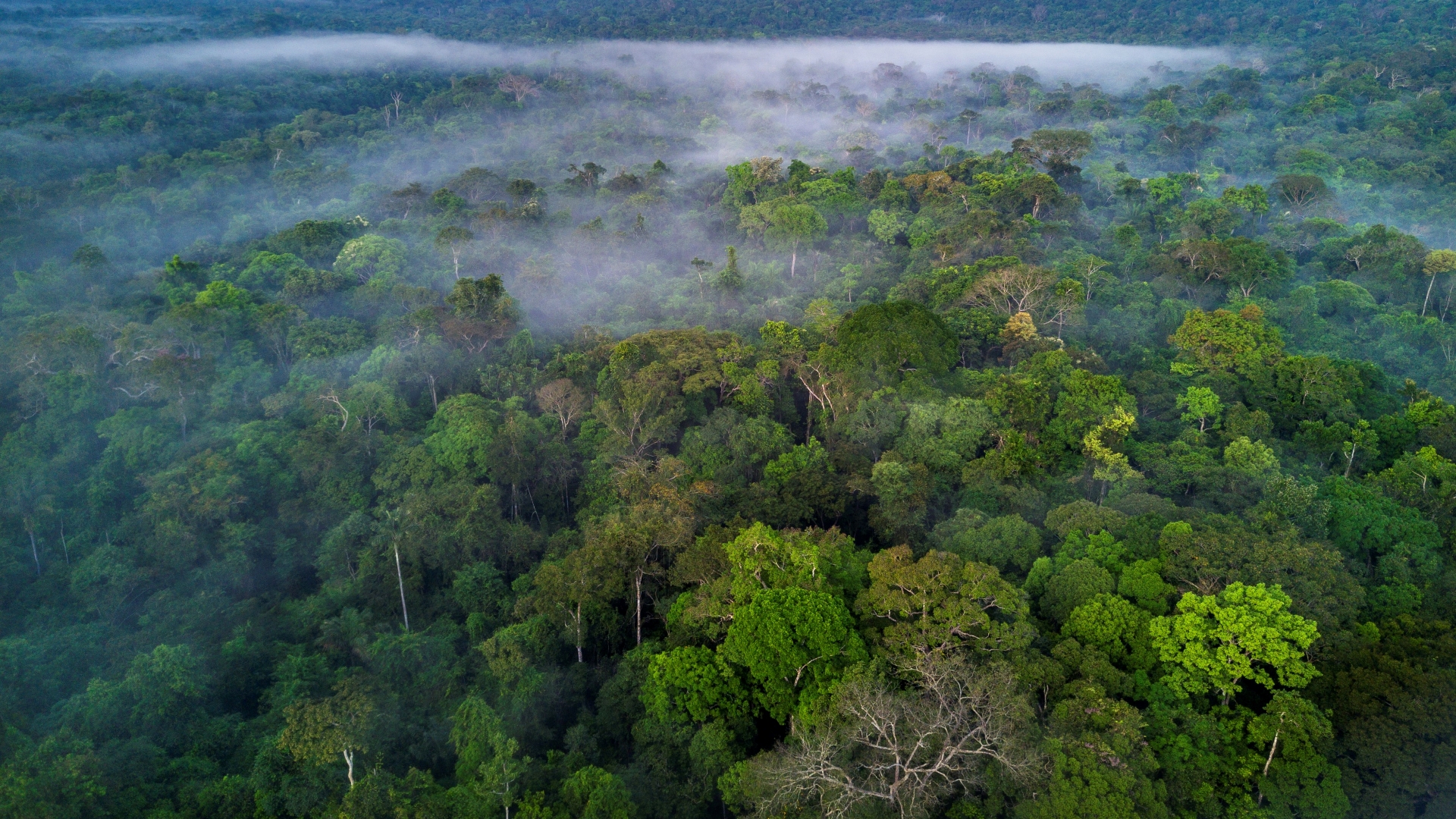
(Live Science [LS], 2022)
d) Australian bushland
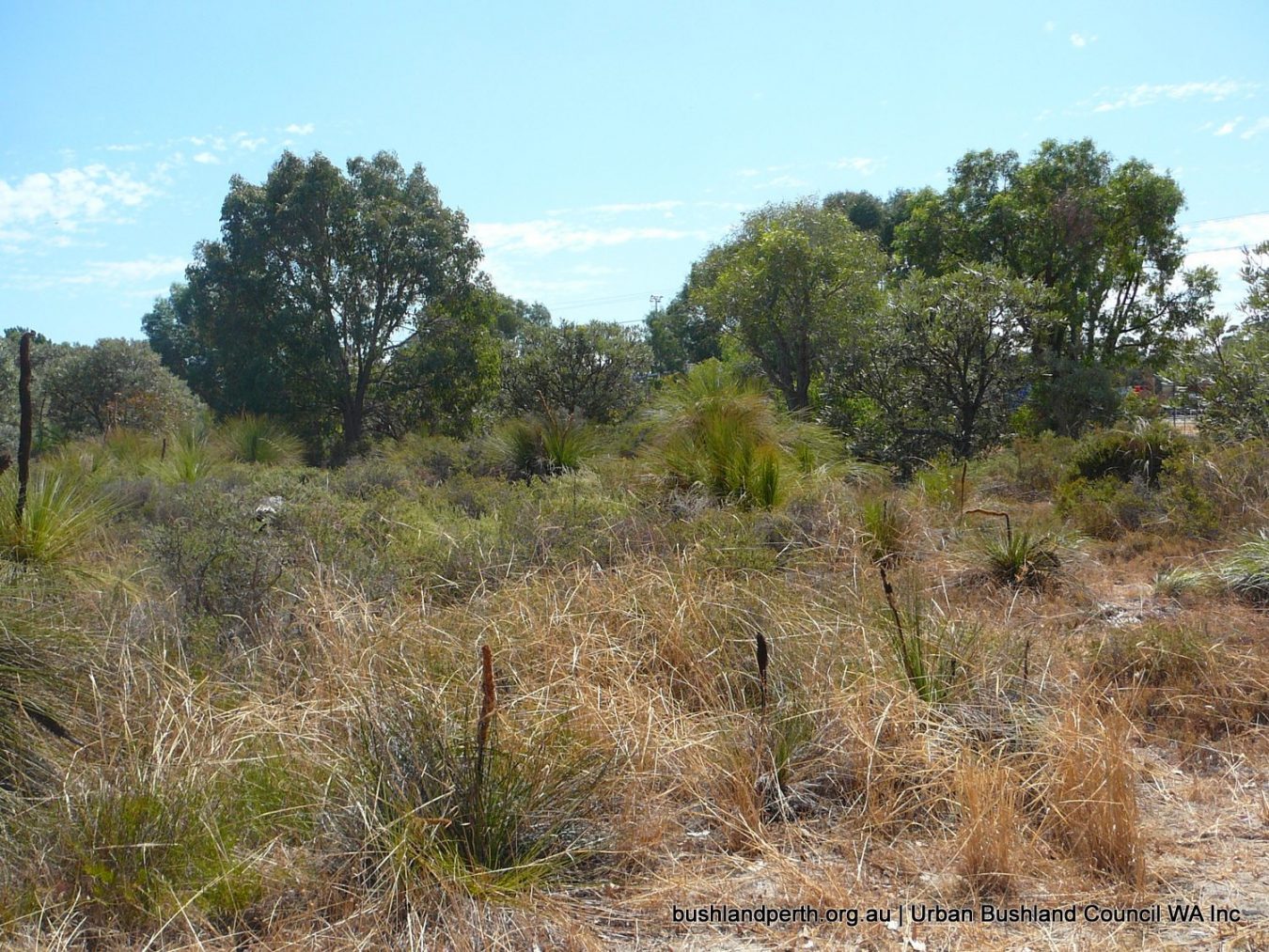
(Urban Bushland Council WA Inc [UBCWA], 2022)
e) Coastal environment

(Learning Geology [LG], 2015)
3. Develop a detailed and annotated food web for your given environment and present this to your class.
Process
4. Once your group has been delegated an environment, groups should work to research their given ecosystem. This can be done by delegating one trophic level to each group member, such as:
Member one: Primary producers
Member two: Primary consumers
Member three: Secondary Consumers:
Member four: Tertiary Consumers
Member five: Decomposers
Each group member is expected to communicate their findings to the rest of their group.
5. For each trophic level, ensure you research the following key points:
a) What is the definition of your trophic level?
b) What organisms commonly inhabit this environment as part of your trophic level?
c) What other terms describe the animals within your trophic level? (Herbivores, omnivores, predators, carnivores etc.)
d) How is energy lost from your trophic level? (Heat, movement etc.)
Note: If you are having trouble research the above points, you can refer to the below links for more information:
Video 1. Food Webs (Crash Course Kids [CCK], 2015)
https://biologydictionary.net/trophic-level/ (BDE, 2019)
https://education.nationalgeographic.org/resource/food-web (NG, 2022)
6. Develop a food web in the form of a poster or digital representation that details the important levels and elements of your given habitat.
Please refer to the below as an example. Note that you can take your own approach to this task. Creativity, images and annotations should be included in your food web for full marks.
| Tropic Levels | Example: | Description: |
|---|---|---|
| Fourth Level: Tertiary Consumers | Eagle | Secondary Carnivore |
| Third Level: Secondary Consumers | Scorpion | Primary Carnivore |
| Second Level: Primary Consumers | Grass Hopper | Herbivore |
| First Level: Primary Producers | Plants | Autotroph |
7. As a group, present this to your class explaining the different organisms in each trophic level. Ensure all group members have the opportunity to speak and communicate their research.
Evaluation
| Criteria: | HD | D | P | F | Mark: |
|---|---|---|---|---|---|
| C1: Accuracy of research and content | Content is extremely accurate, and a high level of research has been undertaken within the group. | Content is mostly accurate, and a high level of research has been undertaken within the group. | Some content is accurate, and a small level of research has been undertaken within the group. | Content is not accurate, and little to no research has been undertaken within the group. | Mark/5 |
| C2: Use and application of imagery | All illustrations and imagery are appropriate and support the content to a high level. | Illustrations and imagery are appropriate and support the content to a some level. | Some Illustrations and imagery are appropriate and supports the content to a low level. | Illustrations and imagery are not appropriate and do not support the content. | Mark/5 |
| C3: Creativity | Groups have worked extremely well to develop a creative food web. | Groups have worked well to develop a mostly creative food web. | The food web shows little creativity. | The food web shows no creativity. | Mark/5 |
| C4: Presentation and communication | The presentation effectively and clearly communicates the food web to a high standard. | The presentation effectively and clearly communicates the food web to a fairly high standard. | The presentation communicates the food web to an acceptable standard. | The presentation does not communicate the food web to an acceptable standard. | Mark/5 |
| C5: Individual participation | All students have participated equally and effectively to a high standard. | All students have participated equally and effectively to a some standard. | All students have participated to an acceptable standard. | Students have not participated to an acceptable standard. | Mark/5 |
Conclusion
Now that you have worked as a team to develop and present a food web of you given habitat, let's look at what we have learnt.
1. Food webs represent what eats what within an ecosystem.
2. Energy travels through a food web.
3. There are many levels to a food web including primary producers, primary consumers, secondary consumers and tertiary consumers.
4. Within a food web, organisms can be described as the following: Autotrophs, Herbivores, Carnivores, Omnivores and so on.
5. Now that you have a thorough understanding of what occurs within a food web, what do you think would happen if one trophic level disappeared?
6. Congratulations on completing this task! :)
Credits
Reference List:
BDE (BD Editors) (2019) Trophic Level, Biology Dictionary, accessed 23 September 2022. https://biologydictionary.net/trophic-level/
CCK (Crash Course Kids) (2015) Life Science: Ecosystems and Flow of Energy: Food Webs: Crash Course Kids #21.2, Youtube, accessed 24 September 2022. https://www.youtube.com/watch?v=Vtb3I8Vzlfg
Let's Talk Geography (2022) Why is Food Web Important? Types of Food Web, Let's Talk Geography, accessed 25 September 2022. https://letstalkgeography.com/
LG (Learning Geology) (2015) Coasts and Beaches Geology, LG, accessed 23 September 2022. http://geologylearn.blogspot.com/2015/07/coasts-and-beaches-geology.html
LS (Live Science) (2022) What are the Largest Rainforests in the World?, LS, accessed 18 September 2022. https://www.livescience.com/largest-rainforests-in-the-world
NG (National Geographic) (2022) Food Web, National Geographic, accessed 20 September 2022. https://education.nationalgeographic.org/resource/food-web
UBCWA (Urban Bushland Council WA Inc) (2022) Threats to Bushland, UBCWA, accessed 24 September 2022. https://www.bushlandperth.org.au/threats-to-bushland-2/
USAT (USA Today) (2022) Plants of the African Savannah, USAT, accessed 19 September 2022. https://www.usatoday.com
YN (YoNature) (2018) What Does The Marine Environment Consist Of?, YN, accessed 22 September 2022. https://www.yonature.com/what-does-the-marine-environment-consist-of/
Teacher Page
Teacher Introduction:
My name is Chelsea Mason and I am currently a Pre-Service Teacher in my second year of my Master's of Secondary School Teaching. I have a large interest in Science and Biology and cannot wait to start my teaching career.
I created this resource as part of an assessment task for ESS755 - General Science Curriculum Inquiry Senior Years. It is recommended for addressing the curriculum links ACSSU112 and ACSIS133 in the year 7 science Australian National Curriculum (ACARA, 2022). Thank you for reading!