
Introduction
The Philippines is a nation known for its diverse traditions, vibrant festivals, rich history, and languages. Its culture is a unique blend of indigenous, Asian, Spanish, and American influences.
In this WebQuest, you will explore different aspects of Filipino culture and discover how these traditions shape the identity of Filipino people today.
Task
The uniqueness of Philippine culture stems from a remarkable blend of indigenous Austronesian heritage combined with strong influences from Spanish and American colonization, creating a culture where East truly meets West. The Philippines is often called a "melting pot" because its geographical location in Southeast Asia, coupled with centuries of foreign rule, has produced a truly one-of-a-kind identity. The Philippines is one of only two predominantly Roman Catholic nations in Asia. With religion deeply embedded in daily life, celebrations, and values. Almost every town celebrates a vibrant fiesta in honor of its patron saint, a tradition inherited from Spain. Many popular dishes like Adobo, Lechon, Menudo, and Afritada have Spanish roots, though they've been adapted with local ingredients and flavors. Many Filipinos have Spanish surnames, and around 20% of the Tagalog vocabulary is derived from Spanish. In Post-Spanish Colonial Period, the Philippines is one of the largest English-speaking countries in Asia, making Filipinos highly bilingual and adaptable in the global workplace. The public school system and the democratic form of government were heavily influenced by the U.S.
Core Filipino Values and Traits
The resilient and warm spirit of the Filipino people is rooted in a set of unique core values:
-
Hospitality: Filipinos are world-renowned for their exceptional warmth and generosity towards guests, often going to great lengths to make visitors feel welcome, even at personal expense.
-
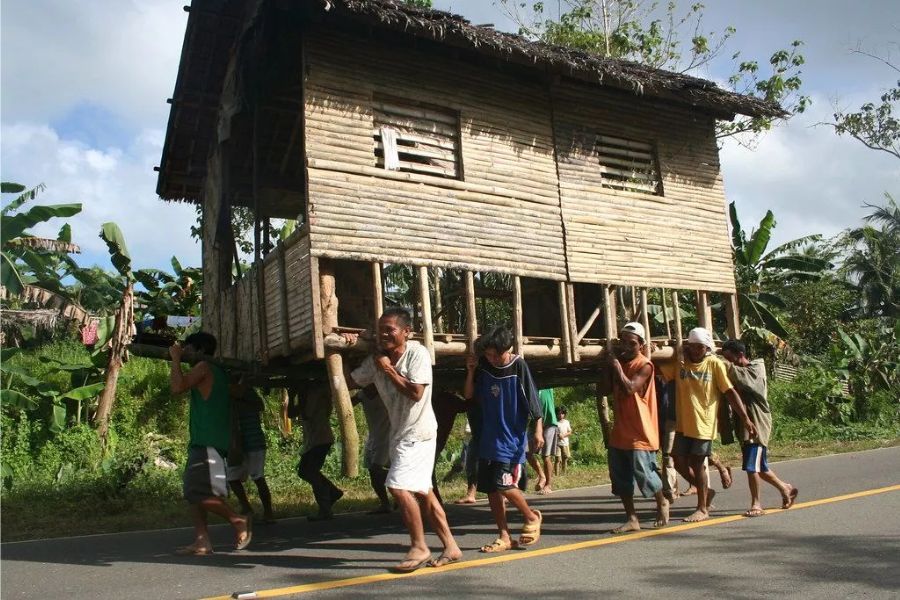
Bayanihan (Community Spirit): This is the concept of communal unity, work, and cooperation to achieve a common goal. The classic image is neighbors helping literally move a whole house (bahay kubo) to a new location.
-
Family Orientation: The extended family is the basic and most important social unit. Decisions, celebrations, and support often involve parents, grandparents, aunts, uncles, and cousins.
-
Respect for Elders: Deep respect is shown through customs like:
-
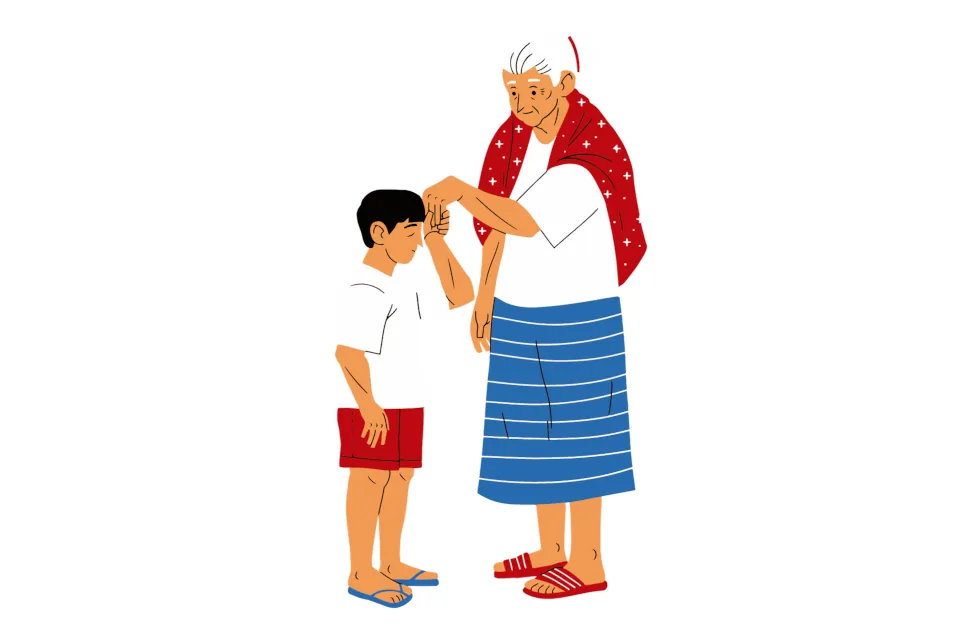
Mano po: A greeting where a younger person takes an elder's hand and gently presses it to their forehead to ask for a blessing.
-
Po and Opo: Respectful particles added to sentences when speaking to elders or superiors.
-
-
Utang na Loob (Debt of Gratitude): This is a deep-seated obligation to repay a person who has extended a favor or act of kindness, emphasizing loyalty and reciprocity.
Filipino Cuisine
Filipino cuisine is often a savory, sour, and sometimes sweet mix that reflects its history:
-
Rice is Staple: It's a central part of every meal, often eaten with meat and vegetable dishes (viands).
-
Unique Dishes: Famous dishes like Sinigang (sour soup), Kinilaw (raw fish in vinegar/citrus, similar to ceviche), and street food like Balut (fertilized duck egg) are distinct.
Vibrant Arts and Celebrations
-
Vibrant Festivals: Aside from fiestas, other major celebrations like the Sinulog and Ati-Atihan are massive, colorful, and highly energetic street dance festivals that draw millions of attendees.
-
Traditional Clothing: The Barong Tagalog (an embroidered, formal shirt for men) and the Baro’t Saya (a traditional ensemble for women) are formal, symbolic garments often worn at special occasions.
The Philippines’ unique culture is the result of these layers an ancient Austronesian foundation, a strong Latin-Catholic flavor from Spain, and a modern, English-speaking adaptability from the US all processed and expressed through the collective heart of a resilient and intensely relational people.
ACTIVITY: SHOW A PICTURE AND GUESS WHATS ON THE PICTURE

ACTIVITY 2: Food Bingo
Teacher prepares a Bingo card with Filipino foods and will description in each picture and the students will guess the answer.
1. is a traditional Filipino stew complimented with a thick savory peanut sauce.
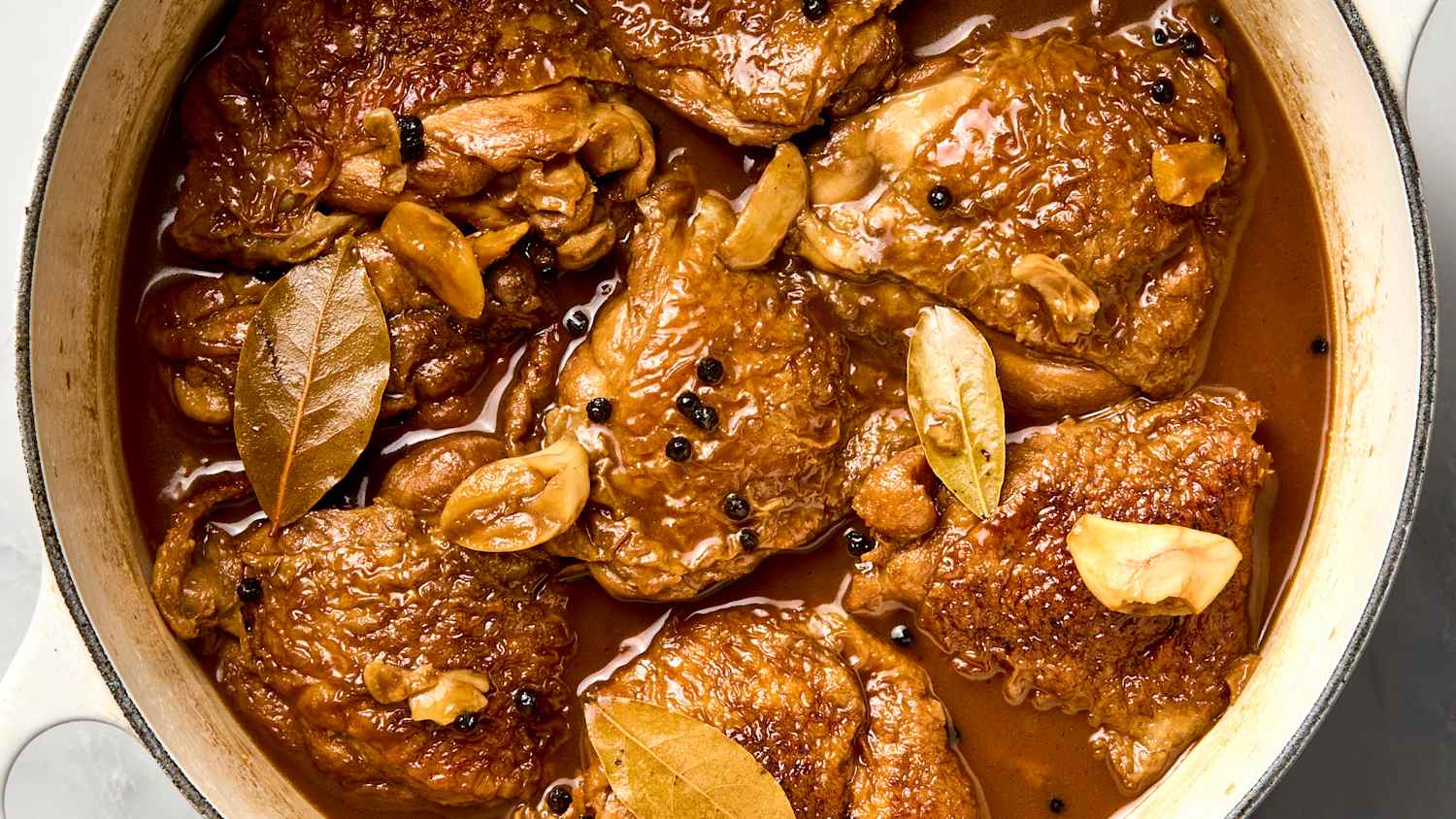
2.a popular Filipino dish where meat (such as chicken or pork), are simmered in a sauce of vinegar, soy sauce, garlic, and black peppercorns.
3.a famous Filipino celebration dish. It is slow-roasted over charcoal on a spit and is known for its juicy meat and crispy skin, often flavored with aromatics like lemongrass and garlic.
4. a popular and iconic Filipino sour and savory stew known for its comforting flavor profile and use of various proteins and vegetables.
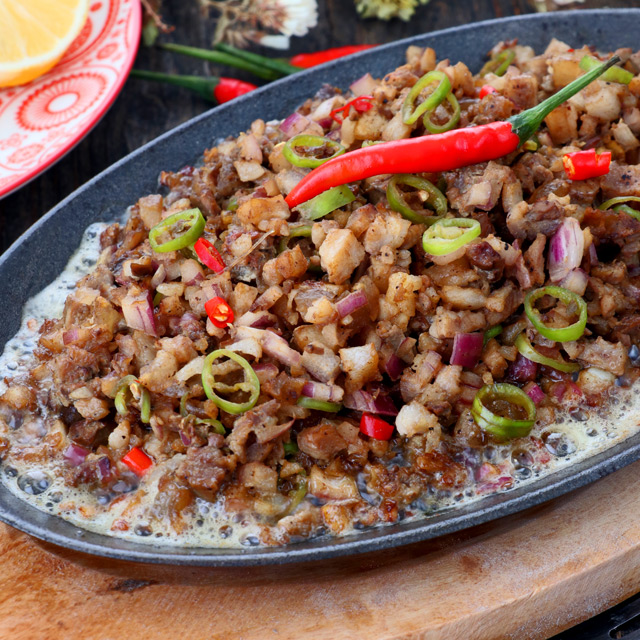
5. a popular Filipino dish originating from the Pampanga region, known for its rich, savory, and tangy flavor profile with varied textures. It is typically served as an appetizer (pulutan, a bar snack) or a main course, often on a sizzling plate.


ACTIVITY 3: LANGUAGE MATCH UP
Write down below the provinces of each dialect given.
1. Ilocano
2. Waray
3. Chavacano
4. Kapampangan
5. Tausug
6. Kamayo
7. Bisaya
8. Cebuano
9. Hiligaynon
10. Maranao
Process
To deepen your understanding, you will watch a video about cultures and traditions in the Philippines. After watching the video you will answer the following questions below.
Activity 1:
1. What interests me about this?
2. What do I already know?
3. What do I want to learn?
4. How the culture and traditions in the Philippines makes it unique?
ACTIVITY 2:
Read the article. Give what is asked.
link: https://share.google/3rC9cGi0Ngppi2kzh
-
Region of origin
-
Key practices
-
Why people celebrate or follow it
-
Symbols, clothing, instruments
-
Fun facts
-
Current status (still practiced? modern changes?)
Evaluation
ACTIVITY: REFELCTION
In 500 - 1000 words, write a reflection.
1. What cultural theme did you explore?
2. What surprised you the most?
3. What is the most important thing you learned?
4. Why should we preserve Filipino culture?
5. What do you want to explore next?
Here's the rubrics
Content Accuracy – 10 pts
Creativity– 5 pts
Reflection – 15 pts
Conclusion
CONCLUSION
You have explored the cultural richness of the Philippines and learned how traditions, customs, and artistic expressions shape Filipino identity. Understanding culture helps us appreciate our past, celebrate our present, and preserve our heritage for future generations.