
Introduction
An unmet need is the lack of Early Childhood Education (ECE) programs in Chesapeake, VA. For example, there are 28 elementary schools in Chesapeake; however, only seven schools offer an ECE program to four-year-olds. This program should be expanded and implemented as part of the school curriculum. Why should it be expanded to all 28 schools? The literature review has demonstrated that ECE has positive long-term effects on children. The Chesapeake Pre-school Initiative (CPI) is a free full-day program for children who will be four years old by September 30, are residents of Chesapeake, and meet the income level requirements. Since ECE has many long-term benefits, the program should be offered to all children regardless of their families’ income.
How Early Childhood Experiences Affect Lifelong Health and Learning
Task
Expanding the CPI to all 28 elementary schools ensures that all children, regardless of income level, can participate in the program. This is an all-hands effort; parents, educators, professionals, educational institutions, and the state and local governments must invest time, effort, and funds to effectuate change in the children's lives.
The outcomes are even greater when ECE partners with Trauma-Informed Care services, such as Trauma Start. This approach is designed to reduce chronic trauma, support young children’s social and cognitive development, and develop an integrated trauma-informed program culture for young children and parents (Bartlett & Smith, 2019). This is another reason why it's essential to integrate them into the Chesapeake elementary school curriculum.
The funding for the CPI program will come from federal and local grants. If the budget gets approved, the CPI program will be implemented in the 28-school facilities.
Application for CPI program
https://cpschools.jotform.com/223424565455963
Head Start-Trauma Informed Care Services video
Process
Budget Proposal
Currently, The Chesapeake School District offers CPI in seven local elementary schools; therefore, the Chesapeake School Board is requesting this program be expanded to the ones that do not offer this program in their curriculum. The Chesapeake School District asks $7,227,639.28 to implement this program in every elementary school. The dollar amount requested mirrors the Childcare and Development Fund (CCDF) Annual Report approved for State Fiscal Year 2022.
How much money is needed to expand this program?
$698,500,918/35,468=$19,693.84 need per child
$19,693.84 x 367 (pre-K for FY 2022-2023) = 7,227,639.28
Commonwealth of Virginia CCDF SFY 2022
https://rga.lis.virginia.gov/Published/2022/RD586/PDF
List of Chesapeake Schools participating in the CPI program
https://www.cpschools.com/o/cps/page/chesapeake-preschool-initiative-faq
Evaluation
How CPI will be evaluated
After a cohort of children completes a full year in the program, the children’s cognitive, emotional, and social development should be evaluated by trained professionals. The data should be compared to children who did not attend the program in previous years. Additionally, the teacher’s performance should be evaluated and compared to prior years when they did not have their respective qualifications. Results can provide a better understanding of what else could be done to improve, implement, or create new programs.
Purpose of Program Evaluations
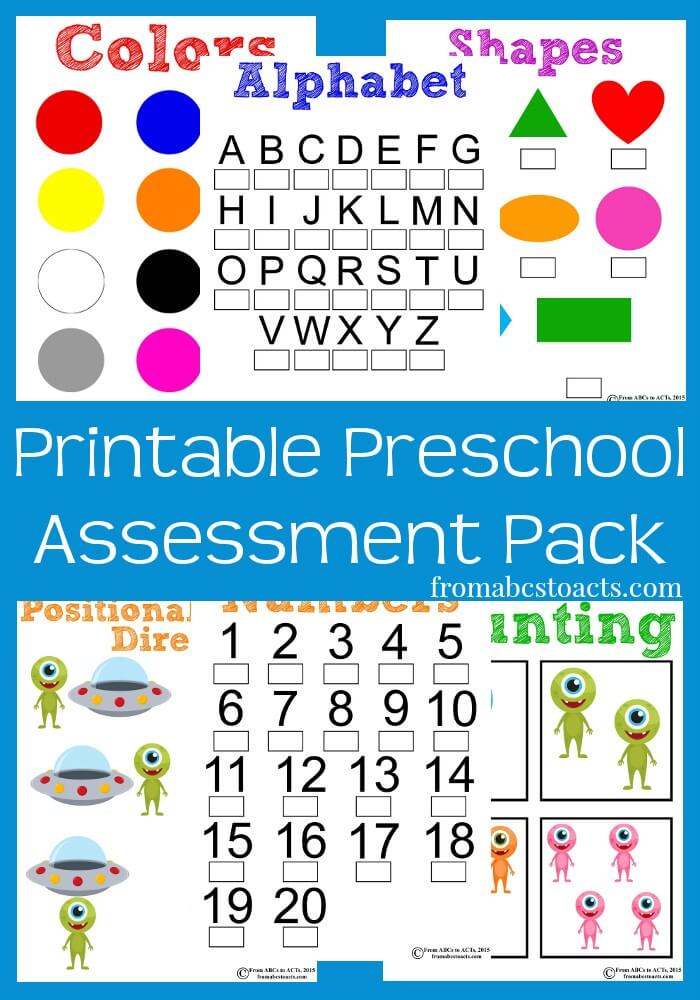
Pre-School Assessment Template
https://fromabcstoacts.com/wp-content/uploads/2015/01/Printable-Assessment-Pack-for-Preschoolers.jpg
Conclusion
The literature review indicated that children participating in ECE programs perform better academically, socially, and emotionally than children who do not participate (Duncan & Magnuson, 2013). ECE is an excellent educational program that can be enhanced with trauma-informed care services. The CPI program should be expanded to all children by eliminating the means-test requirement.
The literature review suggested that investing in ECE can lead to better educational outcomes, higher earnings, and reduced crime rates (Duncan & Magnuson, 2013). In other words, the benefits of early learning outweigh the initial cost. So why limit these benefits to only the ones who meet the eligibility criteria? By extending the program to all children, we would be practicing inclusivity as we would include low-income children and children from diverse cultures and ethnic groups.
Credits
References
Ages and stages of Development. California Department of Education. (2022, October 26). https://www.cde.ca.gov/sp/cd/re/caqdevelopment.asp
Bartlett, J. D., & Smith, S. (2019). The role of early care and education in addressing early childhood trauma. American Journal of Community Psychology, 64(3–4), 359–372. https://doi.org/10.1002/ajcp.12380
Chesapeake Preschool Initiative FAQ. (n.d.). Chesapeake Public Schools. https://www.cpschools.com/o/cps/page/chesapeake-preschool-initiative-faq
Chesapeake Public Schools Preschool Initiative 2023-2024. (n.d.). https://cpschools.jotform.com/223424565455963
Department of Education. (2022, October 1). RD586 - Annual childcare and development fund (CCDF) report – October 1, 2022. https://rga.lis.virginia.gov/Published/2022/RD586
Duncan, G. J., & Magnuson, K. (2013). Investing in preschool programs. Journal of Economic Perspectives, 27(2), 109–132. https://doi.org/10.1257/jep.27.2.109