
Introduction
C3 and C4 Photosynthetic Mechanisms
By: Léon Levesque
- In this task I will briefly explain the differences between C3 and C4 photosynthesis as well as giving a cursory description of the two processes. I will also be naming ten plants for both kinds of photosynthesis previously mentioned, in addition I will give a short description of a few of these plant species habitat.
Task
Task:
In this assignement, I am expected to:
1- Describe the C3 and C4 photosynthetic mechanisms.
2- Compare and contrast C3 and C4 photosynthetic mechanisms.
3- Discover some examples of plants that undergo each type of photosynthetic mechanism.
Process
Information:
Description of C3 photosyntetic mechanisms Description of C4 photosynthetic mechanisms C3 plants and their habitat C4 plants and their habitat
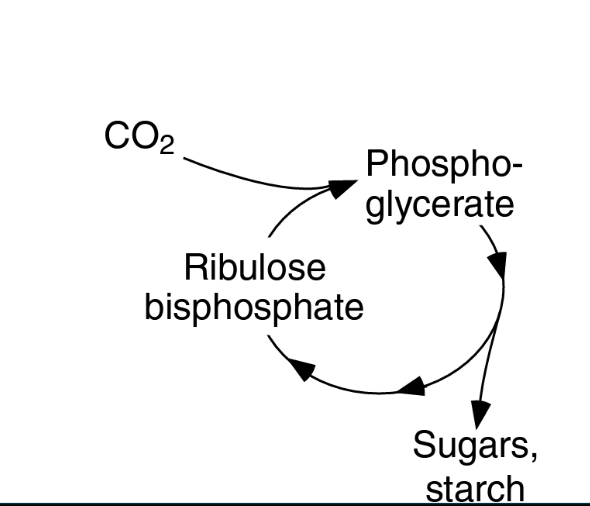
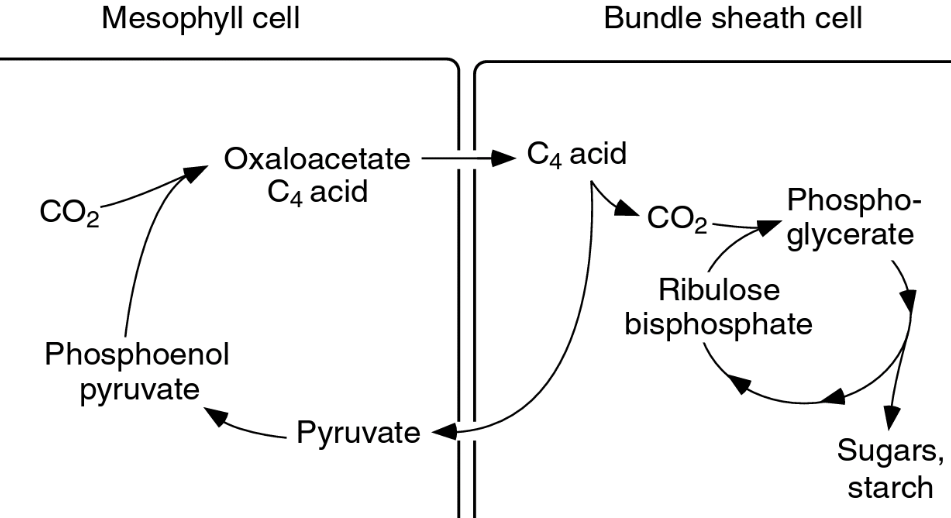
-C3 plants rely on the direct fixation of carbon to -C4 plants are better adapted than C3 plants in Potato:Most environments Maize:Can not survive in cold
ribulose biphosphate to form a 3-carbon molecule environments with high temperatures, intense sunlight, excluding tundra and deserts, areas, is very water efficient.
(3-phosphogylycerate). drought, or nitrogen or CO2 limitation. Turnip:Cool and temperate regions. Papyrus:Lives in tropical and sub-
-To survive they need a high concentration of CO2, -CO2 is turned into a 4-carbon molecule in the Tomato:Grow well in nutrient rich tropical areas.tolerating temperatures
moderate temperatures and light intensity,and an mesophyll cells, the molecule is then transported to the and irrigated soils. of 20oC to 30oC.
abundant water source. bundle sheath cells where it is decarboxylated and sent Spruce:Northern temperate and Sugarcane:Native to tropical south Asia.
-In hot temperatures the concentration of O2 in the through the C3 pathway. boreal (taiga) regions of the earth. Broccolli:A cool weather crop which grows
plant increases. When this occurs, rubisco, (the key -The enzyme C4 plants use to reduce the amount of Other C3 plants best in temperatures of 18-23o C.
enzyme in caebon fixation) is more likely to bond photorespiration (The waste of energy by using oxygen -maple -wheat Other C4 plants
to Dioxygen than Carbon dioxide, thus wasting to break down carbon compounds to CO2) done by -moss -rice -amaranth -Spartina anglica
energy in a process called photorespiration. rubisco, is PEP carboxylase. Thus the tendency of -fern -lemon -sorghum -Digitaria sanguinalis
rubisco to photorespire is minimized. -millet -Atriplex nummularia
Evaluation
COMPARISON
C4 plants have a much more efficient use of water and energy in hot temperatures than C3 plants because they dont lose as much energy in a process known as photorespiration, a process in which Dioxygen is affixed to the RuBisCO instead of the usual Carbon dioxide. By taking an extra step the C4 plants reduce the amount of wasted energy, although for this extra step to work the C4 plant generally needs more heat than the C3 plants.
Credits
SOURCES
http://northernwoodlands.org/outside_story/article/green-plants-join-the-tech-boomhttps://answers.yahoo.com/question/index?qid=20070314205951AASLOwwhttp://www.biology-online.org/dictionary/C3_planthttp://en.wikipedia.org/wiki/Sugarcanehttp://en.wikipedia.org/wiki/Broccolihttp://en.wikipedia.org/wiki/Amaranthhttp://en.wikipedia.org/wiki/Millethttp://en.wikipedia.org/wiki/Sorghumhttp://en.wikipedia.org/wiki/Digitaria_sanguinalishttp://en.wikipedia.org/wiki/Spartina_anglicahttp://en.wikipedia.org/wiki/Atriplex_nummulariahttp://www.biology-online.org/dictionary/C4_planthttp://en.wikipedia.org/wiki/Potatohttp://en.wikipedia.org/wiki/Turniphttp://www.nhm.ac.uk/nature-online/species-of-the-day/scientific-advances/industry/solanum-lycopersicum/distribution-habitat/index.htmlhttp://en.wikipedia.org/wiki/Sprucehttp://en.wikipedia.org/wiki/Maplehttp://en.wikipedia.org/wiki/Wheathttp://en.wikipedia.org/wiki/Mosshttp://en.wikipedia.org/wiki/Ricehttp://en.wikipedia.org/wiki/Fernhttp://en.wikipedia.org/wiki/Lemon